
Called to Serve
Everyday Heroes in the Chaldean Community
By Steve Stein
Volunteering takes many forms — from strengthening families and supporting engaged couples to empowering middle school girls. Often unseen and unpaid, volunteers are the behind-the-scenes heroes who hold a community together. Here are three stories of priceless service making a lasting impact within the Chaldean community.
Mother’s Caregiver
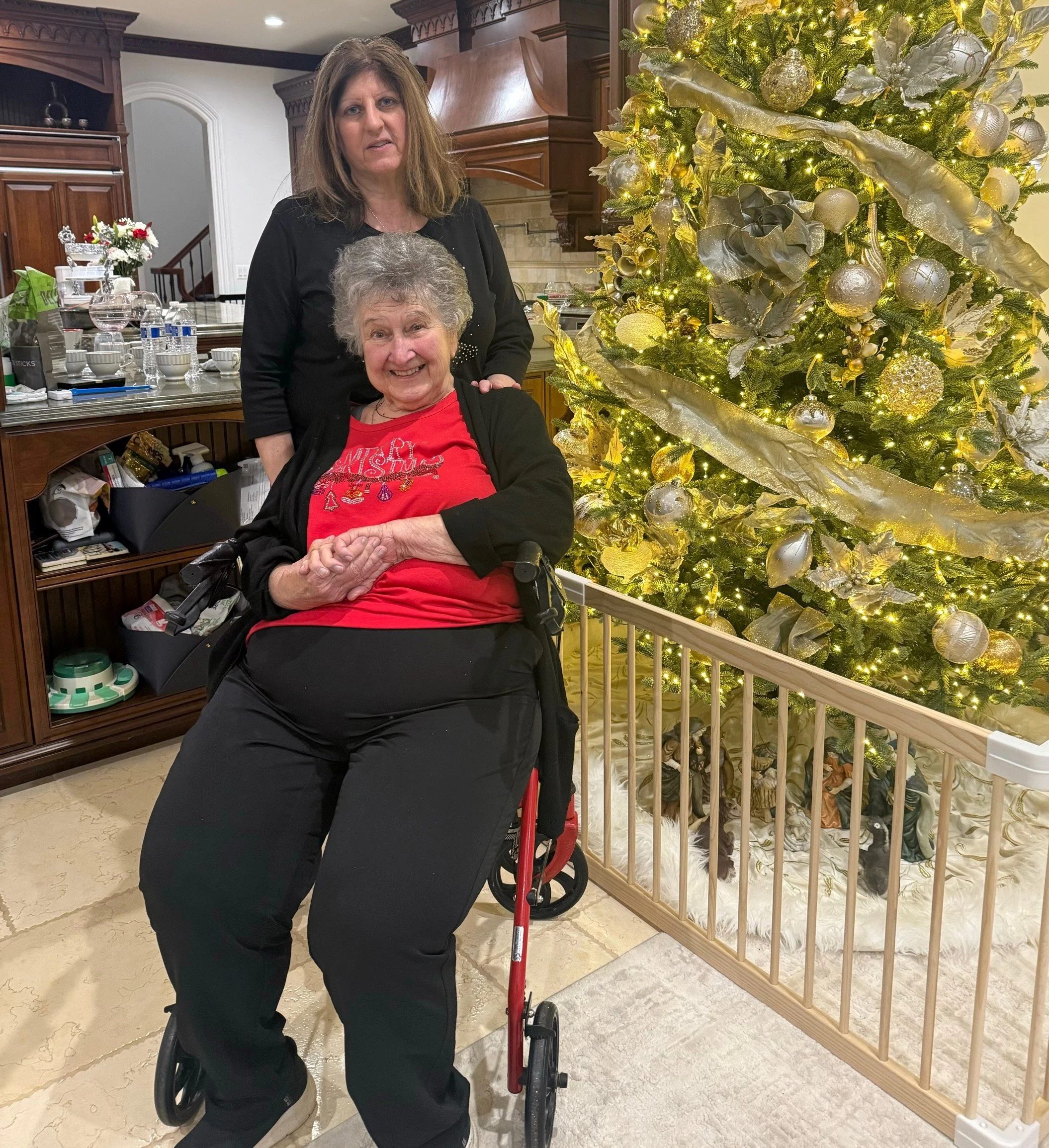
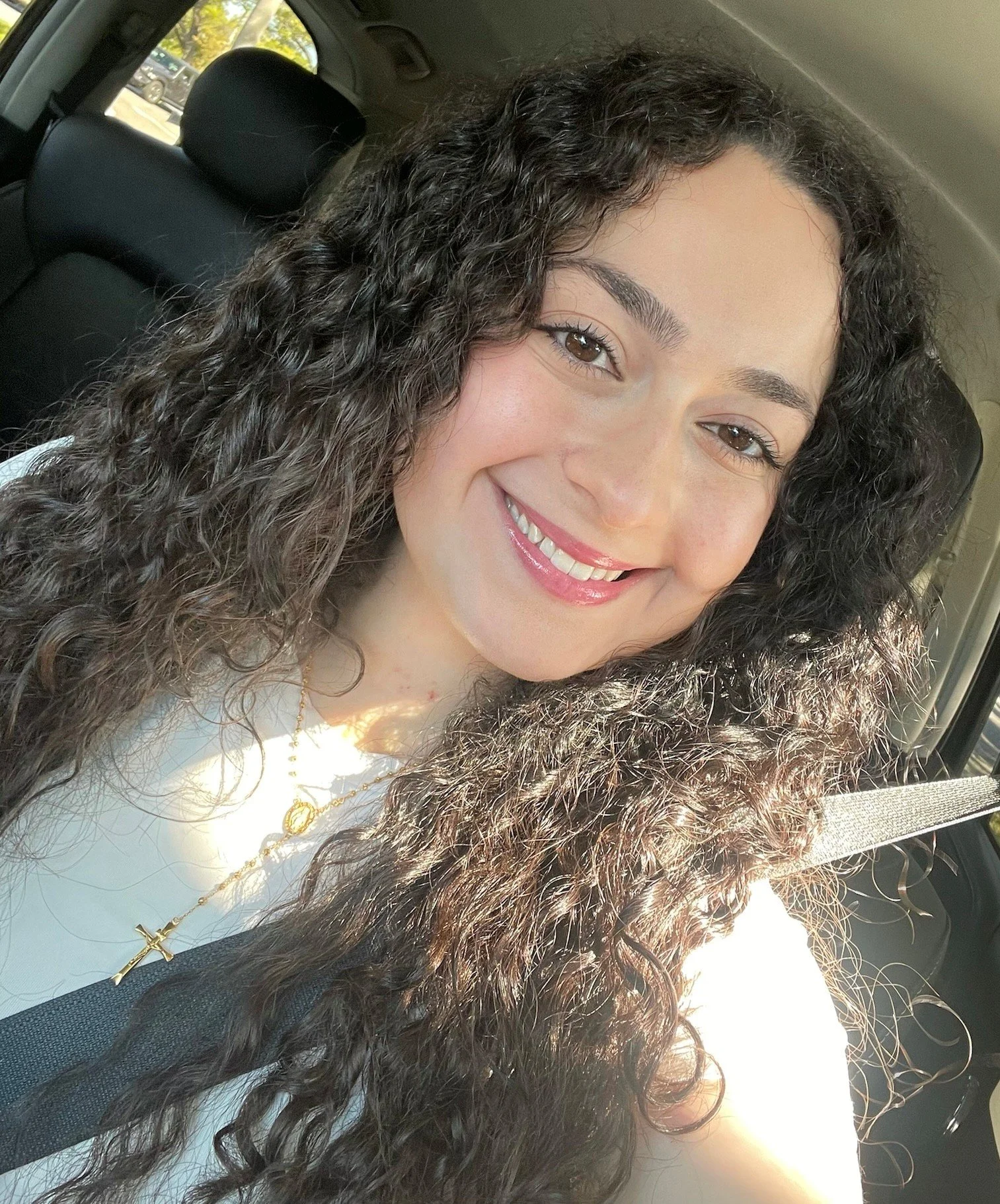
Family came first when Julie Garmo made a major decision several years ago.
After her mother, Mary Ann Garmo, lost her husband of 52 years, Sabah Garmo, in 2016, Mary Ann no longer wanted to live alone. So Julie, who was single at the time, and her mother each left their homes and moved in together the following year, settling into a house in Waterford.
“There was no other option, and I wouldn’t want it any other way,” Julie said.
With the support of her five siblings, Julie has lived with her mother ever since, balancing caregiving with her work-from-home contract job as a VIP travel consultant for the Volkswagen Group of America — a position she has held for 25 years.
Nine years after becoming roommates, the living arrangement has proven especially meaningful for both women. Julie has naturally stepped into the role of her mother’s caregiver.
“Mom’s mind is all there, but she doesn’t drive and she uses a walker for stability,” Julie said.
Now 84, Mary Ann continues to live life to the fullest with her daughter by her side.
Before retiring, Mary Ann worked at her parents’ grocery store in Detroit — where Julie also spent time working — and later held positions at an insurance agency and in retail. Throughout her life, she has been a devoted daughter, wife, and mother.
“If you have a chance to help someone you love, even if it means making a sacrifice, do it,” Julie said.
Marriage Preparation Ministry
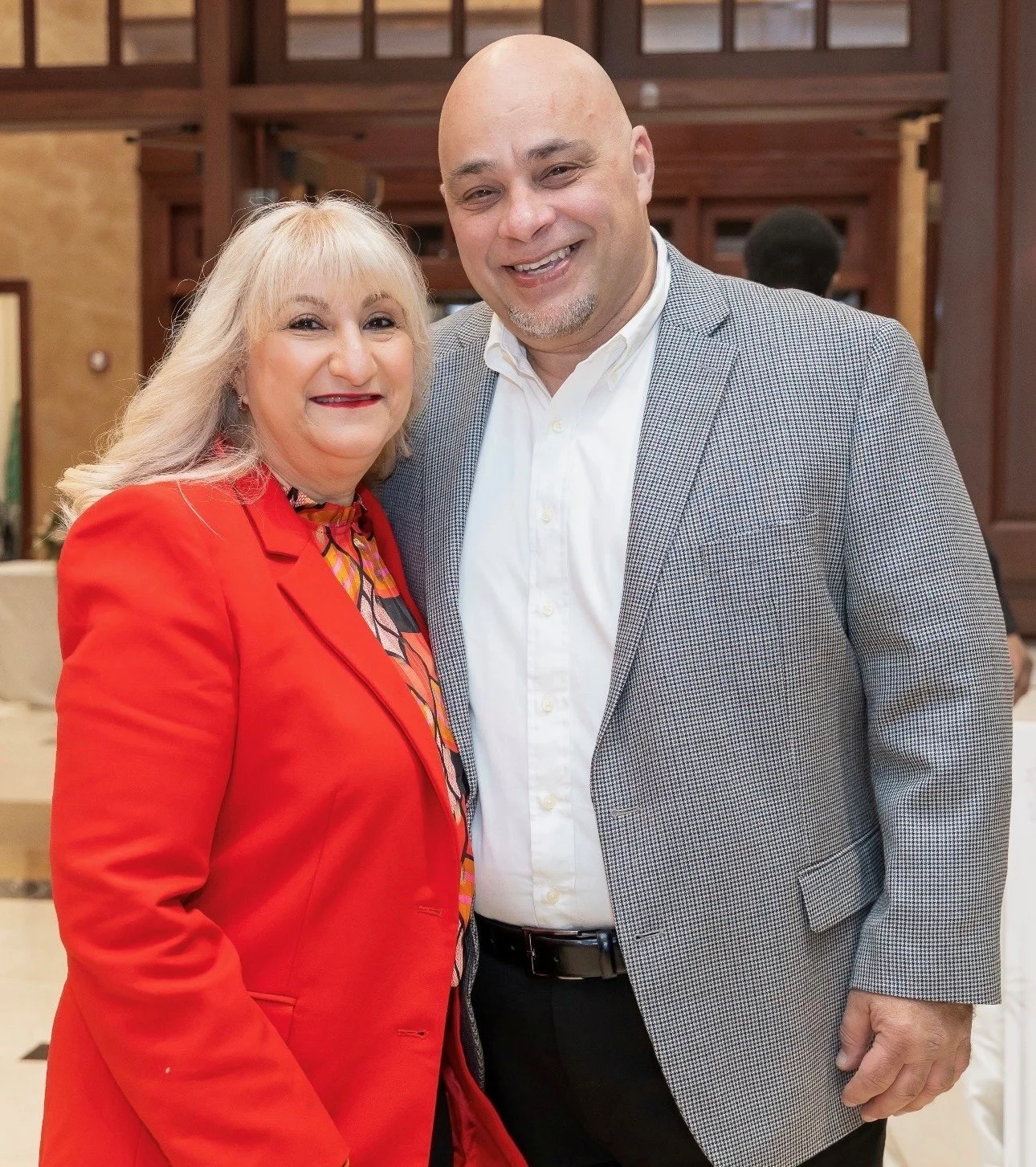
Jeff Kassab and his wife, Ahlam, have been married for 35 years and are parents to two children. Since 2017, the couple has volunteered their time to lead a marriage preparation ministry for the Chaldean Catholic community through the Eastern Catholic Re-Evangelization Center in Bloomfield Hills.
In addition to being a business owner and marriage preparation instructor, Jeff said he felt a calling in 2012 to enter Sacred Heart Major Seminary in Detroit. He graduated in 2023 with a master’s degree in theology.
The goal of the ministry, Jeff said, is to strengthen couples and address rising divorce rates in the community by providing practical and spiritual tools early in marriage.
Nothing they teach is sugar-coated.
“Marriage is work,” Jeff said. “Conflict will happen. Every marriage has hard moments. Couples need tools to address those challenges. The goal of our marriage preparation class is not to promise perfection, but to equip couples to navigate conflict constructively and lovingly.”
A Christ-centered marriage, Jeff said, is essential.
“Marriage is more than a legal or social institution,” he said. “It’s a sacrament — a lifelong covenant rooted in Christ and the Church. Couples must integrate prayer, sacramental life, and mutual commitment into their daily lives, not just on their wedding day.”
Each four-week marriage preparation session serves approximately 25 to 30 couples, Jeff said.
As for volunteering more broadly, Jeff said the work is deeply personal.
“To know that my wife and I are able to help couples strengthen their marriage and their love is something very close to our hearts,” he said. “We want all marriages to succeed — to have fullness, love, and fruitfulness — because that’s what Christ intended marriage to be.”
Youth Group Leaders
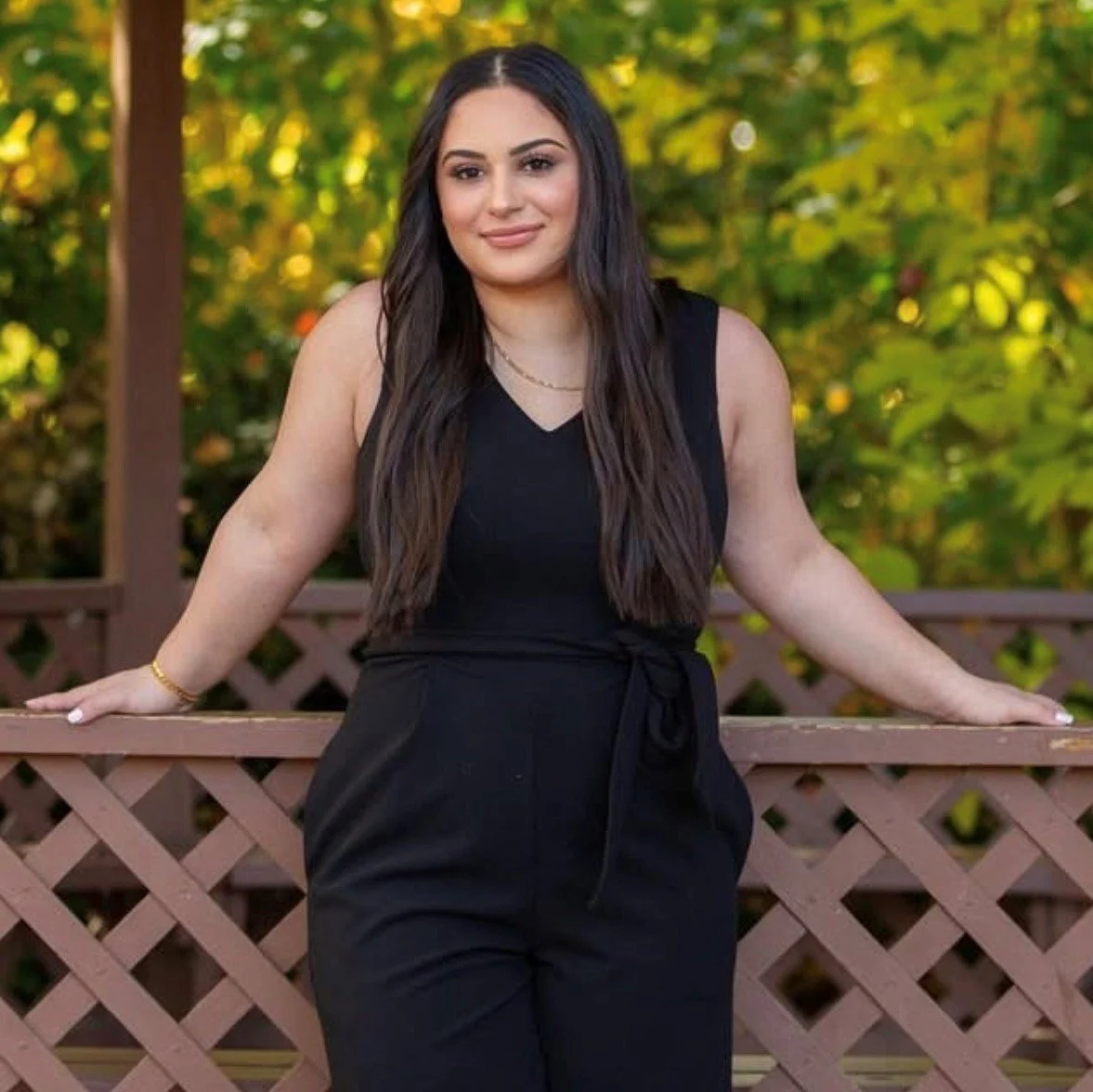
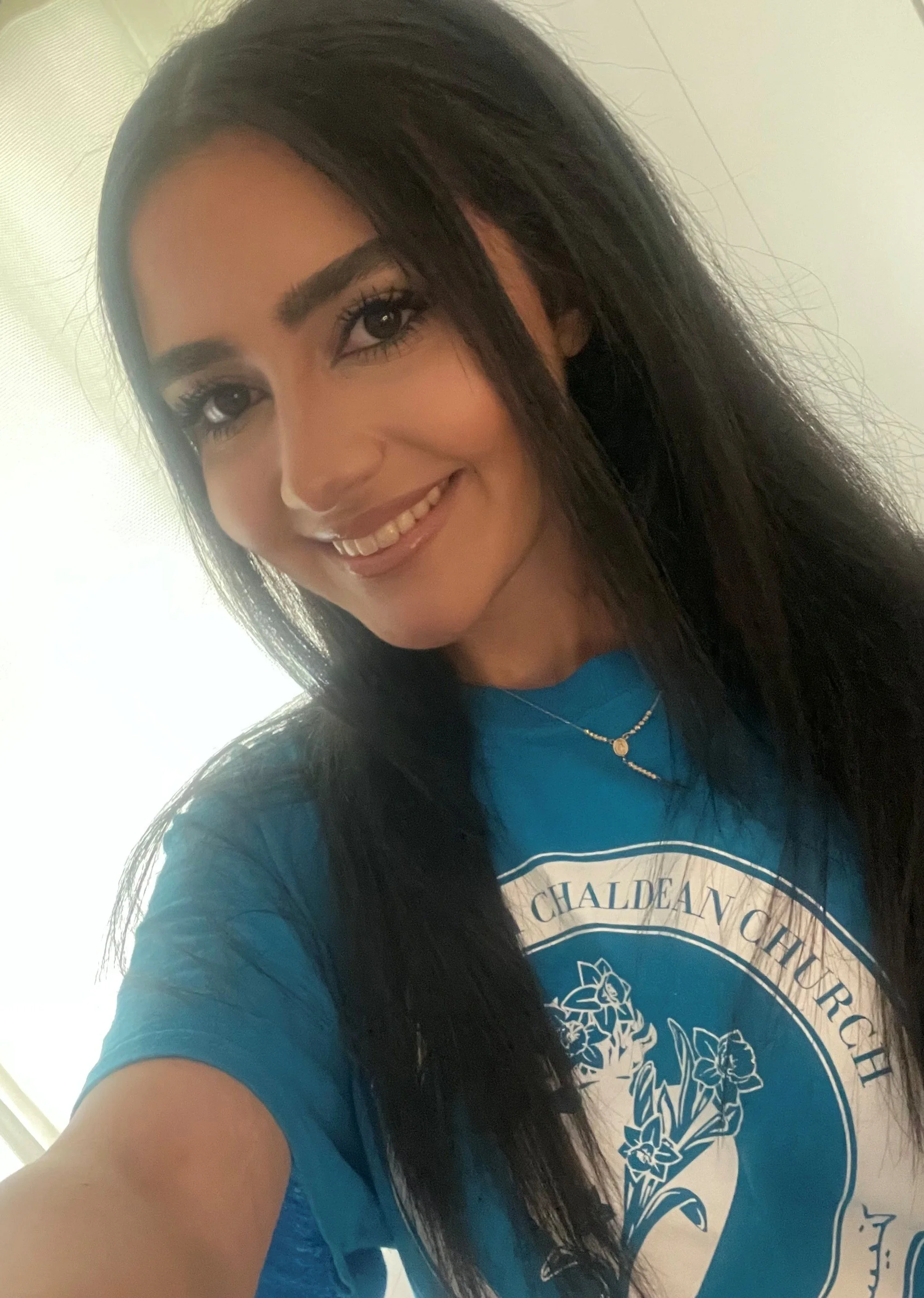
Gabriella Jarjis, Catalina Bajoka, and Jasmine Cholagh are volunteer youth group leaders at St. Joseph Chaldean Catholic Church in Troy, where they work with middle school girls ages 11–14 in the “Little Flowers” group.
Jarjis, 17, is a senior at Sterling Heights High School. Bajoka, 21, is in her third year at Macomb Community College. Cholagh, 26, is a fourth-year pharmacy student at Wayne State University’s Eugene Applebaum College of Pharmacy and Health Sciences.
Each leader brings a unique role to the ministry. Jarjis serves on the prayer committee and acts as a small group “floater.” Bajoka describes her role as “showing the girls as much of Jesus’ love as I can and teaching them how they can be like Him.” Cholagh leads a small group, writes and delivers talks, and spends time “praying for my co-leaders and our girls.”
When asked about the best part of being a leader and what volunteering means to them, each shared a deeply personal perspective.
“I love being able to interact with the girls, show them what a good and loving God we have, and why it’s important that we make Him the center of our lives,” Jarjis said. She added that volunteering “is such a gift because not only does it benefit other people, it benefits you by teaching you new things and helping you make beautiful connections and memories.”
Bajoka said she values “being a part of the girls’ foundation that will carry on for the rest of their lives in their relationship with the Lord.” Volunteering, she said, is a way of giving thanks. “God gives us gifts, and it’s our job to share them.”
For Cholagh, serving as a leader is both an honor and a responsibility.
“It’s a privilege to show the girls who Jesus is and teach them what it means to live for the Kingdom of God instead of the world,” she said. “Middle school is such an influential time in a child’s development, and to emphasize God’s love to our sisters is such a blessing.”
Cholagh describes volunteering as the perfect way to use the gifts God has given.
“It doesn’t have to be leading a youth group,” she said. “Whether it’s tutoring, volunteering at a soup kitchen, or helping with parish activities, offering your time to glorify God is one of the most beautiful things you can do.”
Though their paths look different, the volunteers featured here share the same quiet commitment to serve with love, sacrifice, and faith. Whether caring for a parent, strengthening marriages, or guiding young girls during formative years, their work reflects the heart of the Chaldean community — one rooted in family, service, and responsibility to one another. Their efforts may be unpaid, but their impact is immeasurable, leaving a lasting legacy felt in homes, churches, and future generations.