Chaldean Culture
Long before cookbooks, before sugar or tomatoes or even the idea of a “dessert course,” the people of ancient Mesopotamia were cooking with remarkable sophistication. Between the Tigris and Euphrates rivers—often called the cradle of civilization—food was not merely sustenance. It was ritual, identity and an offering to the gods.
2025 stories
Telleskuf (Tel Keppe) is a Chaldean name composed of two parts: Tella Zqeepa — Tella meaning “hill” and Zqeepa meaning “upright” or “cross.” The town’s origins date to the mid–second millennium B.C. Ancient manuscripts reference Telleskuf. In the archives of the Chaldean Diocese of Kirkuk, there is a manuscript written in 1582 by Abraham bin Bid‘a of Telleskuf.
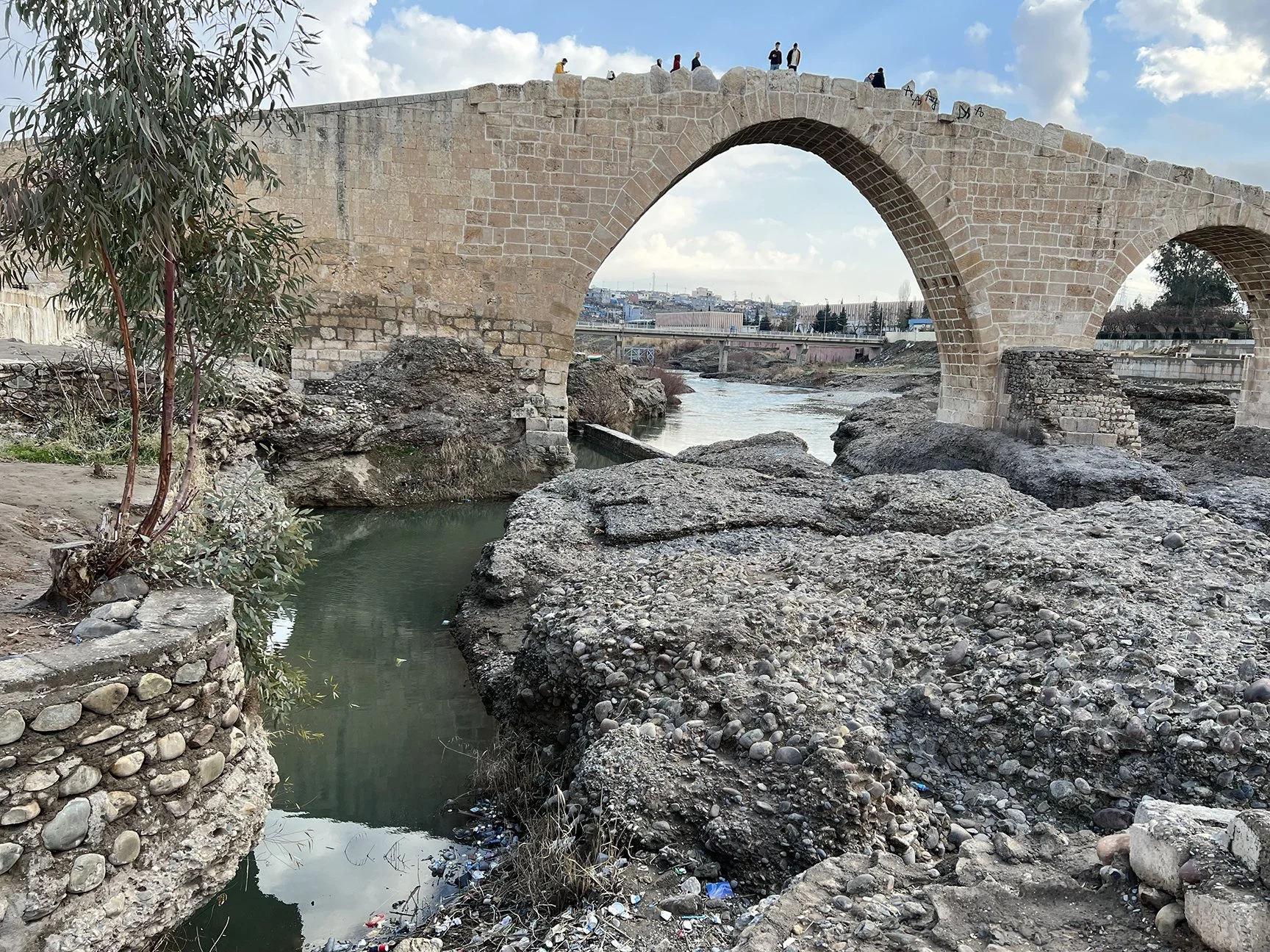
Old bridges and arches are living monuments that carry the weight of history. They are not merely structures to cross rivers and roads—they have facilitated communication, trade, and human interaction between friends and foes alike. Over time, they have shaped culture, geography, and historical memory. Few bridges illustrate this as vividly as Pira Dalal, or the Dalal Bridge, in Zakho, northern Iraq.
Parts One and Two of this series explored the history and plight of Iraq’s Jewish community, an indigenous minority that practiced its faith and civil rights amid conspiracies and persecution that ultimately forced its emigration to Israel. We also examined the displacement of Christians, Mandaeans, and Yazidis, who were scattered across the globe.
For 2,600 years, Jewish life flourished in Mesopotamia—modern-day Iraq—stretching back to the time of Babylon, where the Jews composed the Babylonian Talmud, and to the city of Ur, birthplace of the Prophet Abraham.
Generation after generation, locale after locale, it is true when people get educated, they get life lessons, advance intellect, and join the modern world. This is a glimpse into the history and contributions of the renowned Chaldean deacon, author, teacher, and educator Yousif Mansour Mary (Miri).
The historical connection between Babylon and the Israelites is profound and enduring. While Jerusalem is widely recognized as a sacred city central to Judaism, Christianity, and Islam, its deep ties to ancient Mesopotamia are less commonly acknowledged.
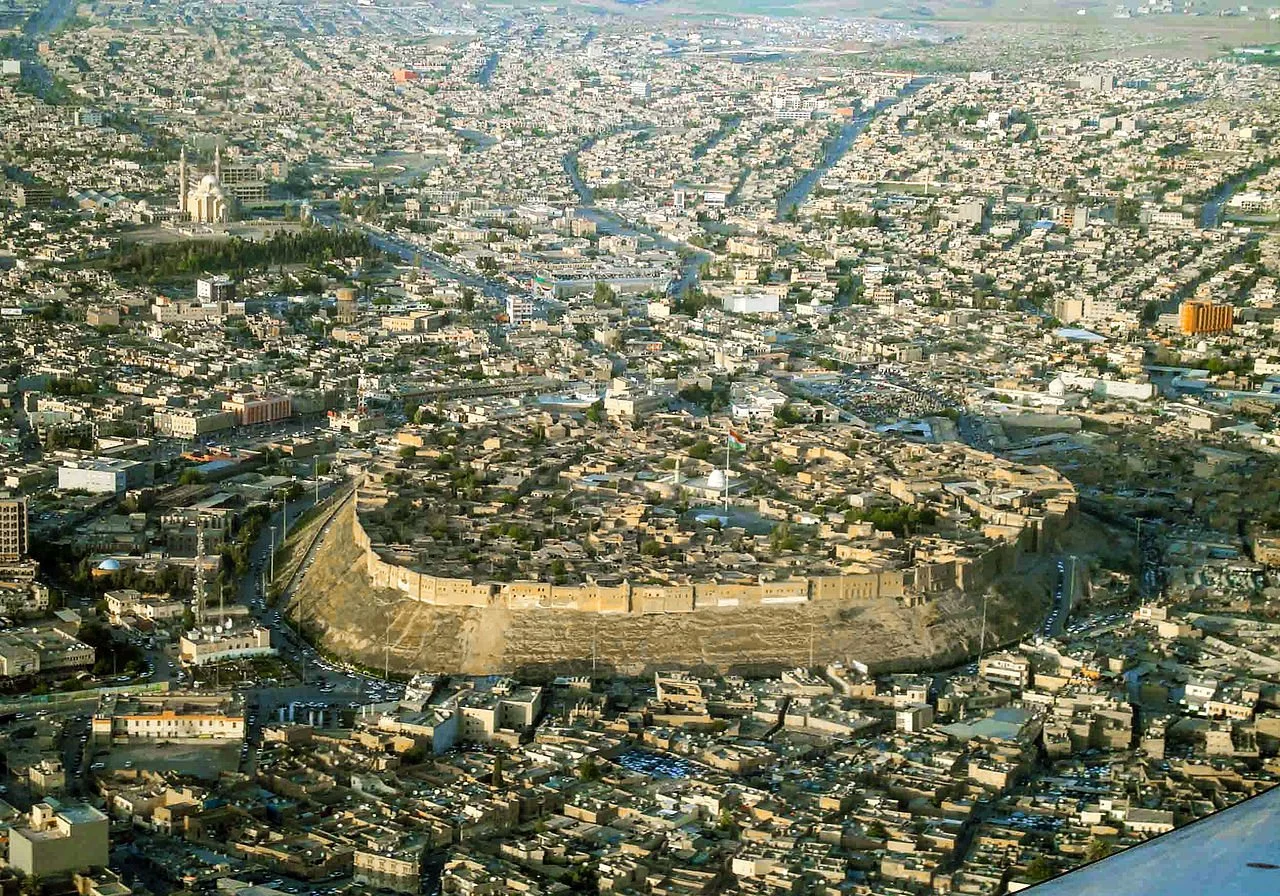
The city of Erbil in northern Iraq is truly magnificent in many ways. Few places on Earth can claim as much uninterrupted history. Erbil is one of the world’s oldest continuously inhabited cities, with settlement origins dating back at least 8,000 years.
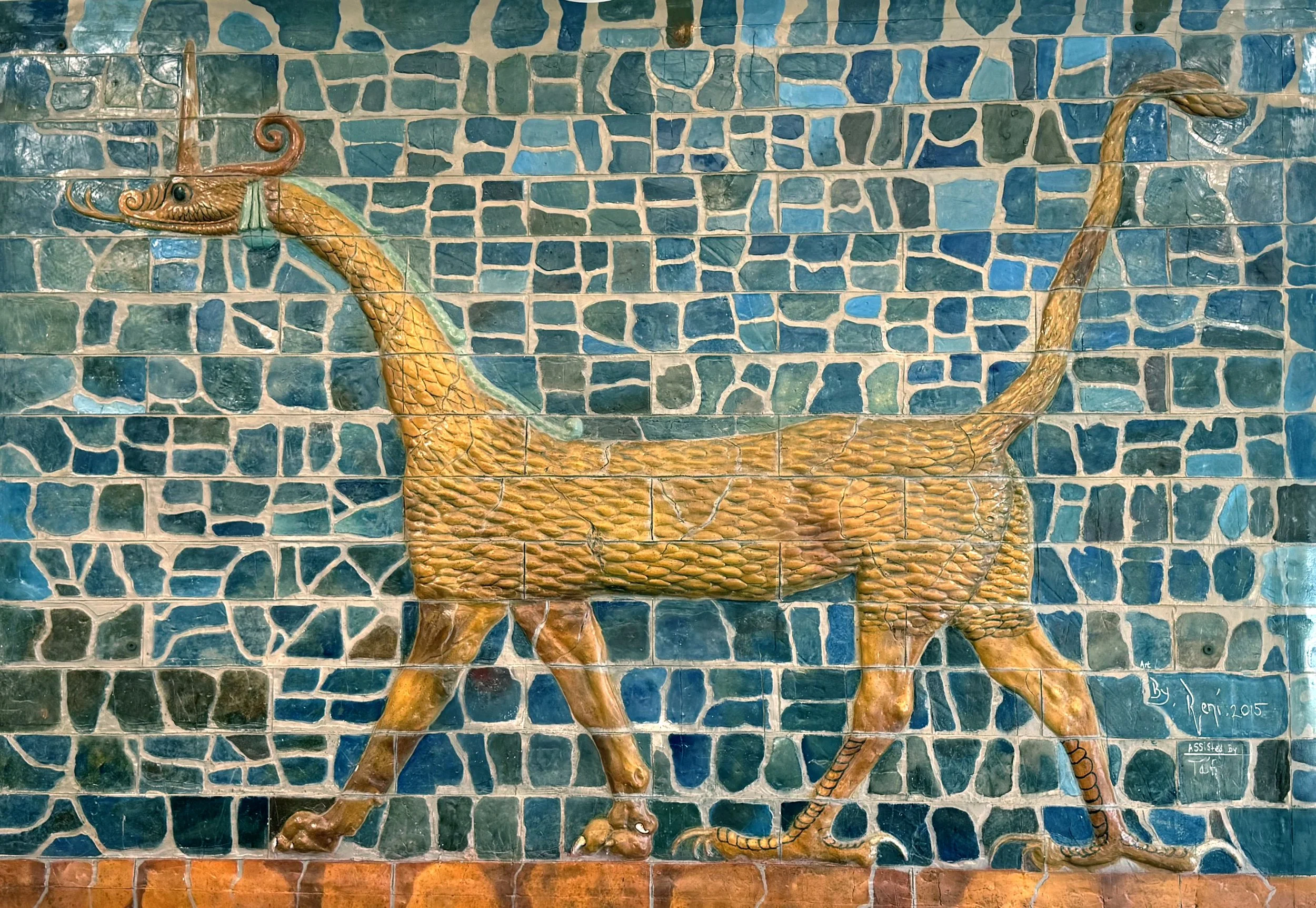
Mesopotamia—largely situated in present-day Iraq—is considered the cradle of civilization. It is home to many historical “firsts” and the birthplace of philosophy, religion, and mythology. Among its most iconic symbols is the striding dragon featured on the Ishtar Gate.
Arameans in the Holy Land are a Christian minority living in Israel. They claim to descend from the Arameans, an ancient Semitic-speaking people in the Middle East in the 1st millennium BC. Some Syriac Christians in the Middle East espouse an Aramean ethnic identity, and a minority still speak various Neo-Aramaic languages, with the Eastern branch being widely spoken.
The Chaldean Community Foundation (CCF) is expanding to reach across Woodward and establish a presence with the Chaldean American Chamber of Commerce (CACC) on Oakland County’s west side. Formerly known as The Corners, the property at Walnut Lake and Inkster Roads next to Market Square is being transformed into the new Chaldean Community Center, housing the CACC and administrative offices for the Foundation. Chamber staff has been calling it “CCF West” for a while.
Mosul, meaning “the linking point” in Arabic, serves as a vital connector between Iraq and Syria. Known historically as Nineveh, the city is named after an Assyrian goddess associated with fish. One of the world’s oldest cities, Mosul has been a strategic crossroads for millennia, facilitating the movement of diverse peoples, ethnicities, and religions, including some of the world’s oldest Christian communities.
2024 stories
Mesopotamia, often called the “birthplace of civilization,” was one of the earliest centers where the development of philosophy, religion, science, and technology helped humanity transition from prehistoric times into the modern era.
يأخذنا استكشاف جاذبية المجوهرات والأحجار الكريمة العتيقة في رحلة عبر الزمن، لنستكشف القصص والجمال الموجود داخل هذه الكنوز العتيقة إذ لعبت المجوهرات دوراً مهماً في الحضارات والمجتمع وتاريخه الطويل وتم العثور على العديد من الأحجار الكريمة وقطع المجوهرات الفريدة من نوعها بين كل الحضارات القديمة وفي جميع أنحاء العالم.
وتتميز اللهجة العراقية بأنها تحتوي على عدد كبير من المفردات والأساليب التي تميزها عن اللهجات الأخرى، فاللغة المستخدمة في وسائل الإعلام والعمل الرسمي هي أقرب إلى اللغة العربية الفصحى، ولكن اللهجات الشفهية الشائعة بين عامة الناس تختلف باختلاف المناطق ولا توجد لهجة محددة في مناطق العراق فمثلا" لهجة أهل البصرة لا تتشابه مع لهجة باقي مدن الجنوب وهي لهجة بني تميم وأهل ساحل الخليج والتي تمتاز بقلب الجيم إلى ياء.
In Part I of this series, we explored the Iraqi dialect, highlighting some ancient words from Sumerian, Akkadian, and Aramaic. The diverse geography of Iraq influences its dialects, with distinct variations found in the southern, central, and northern regions. This variation reflects the country’s rich tapestry of ethnicities, including significant Christian, Kurdish, and Turkmen communities, contributing to the complexity of the Iraqi colloquial dialect.
“The people of ancient Mesopotamia knew how to appreciate a good beer,” writes Tate Paulette in his book, In the Land of Ninkasi: A History of Beer in Ancient Mesopotamia (Oxford University Press). Paulette, an archaeologist and Associate Professor at North Carolina State University, has conducted extensive fieldwork across several countries, including Syria, Iraq, Egypt, Turkey, Cyprus, Scotland, and the United States. But what exactly led him to write a book on the history of beer in ancient Mesopotamia?
The Iraqi dialect, rich and diverse, embodies a linguistic heritage that stretches back to the early days of Mesopotamian civilization. This dialect, with its unique vocabulary and expressions, reflects centuries of cultural and linguistic evolution. Despite the influence of classical Arabic in official and media contexts, the Iraqi dialect remains a vibrant testament to the country’s historical and social complexity.
Perhaps the most celebrated tree in the world, the date palm is the eternal daughter of Iraq. It is everywhere, part of life that one can see in almost every picture taken there, old and new. Not only do date palms make beautiful statements in any landscape, but they have also long been honored in religious and cultural traditions.
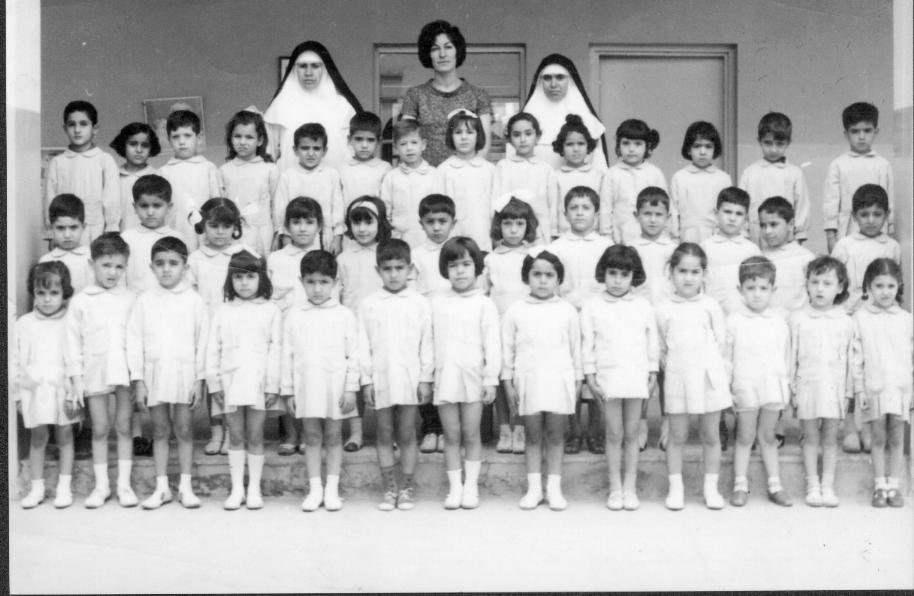
The black-and-white photo of the students from Blessed Sacrament in Detroit is difficult to distinguish from the Iraqi student photos. In the 1970s in Iraq, education became free and public at all levels, and mandatory for primary school students.
سُئل أحد العراقيين القدماء ما هي اثمار بلادكم؟ فأجاب التمر - ثم ماذا عندكم بعده؟ فأجاب التمر أيضا ولما استغرب السائل من هذ الجواب! قال العراقي ألعريق: “ لا شيء هناك يضاهي تناول التمر الطازج ونستفيد من فوائد النخلة العديدة، فأننا نستظل به من وهج الشمس، ونأكل ثمرته، ونعلف ماشيتنا بنواته، ونعلن عن أفراحنا بسعفه، ونتخذ من عصارته عسلاً وخمراً (عرقاً)، ونصنع من جريدة وخوصه الاواني والحصران وغيرها من الاثاث، ونصنع من جذعه خشباً لسقوفنا، وأعمدة لبيوتنا، ووقود الطبخ”.
إن نكبات ومأسي ومحن الأزيدين في العراق مازال يلفها الحزن والأسى سيما وأن نفي اليزيدين من مناطقهم والمزارات القديمة لشعبهم يهدد بإضعاف هويتهم كشعب ومكوّن متميز، ولا يسعى الأزيديون في العراق إلى الحفاظ على تقاليدهم فحسب، بل يسعون أيضًا إلى مكافحة المعلومات الخاطئة والقوالب النمطية حول عقيدتهم وهناك تحديات وصعوبات أمام الإزيديين لاستعادة الأمن والاستقرار والأمن المجتمعي في منطقة نينوى/سنجار، سيما وان معظمهم تشتتوا بعيداً عن أراضيهم المقدسة، وانضم العديد منهم إلى جمع اللاجئين إلى أوروبا.
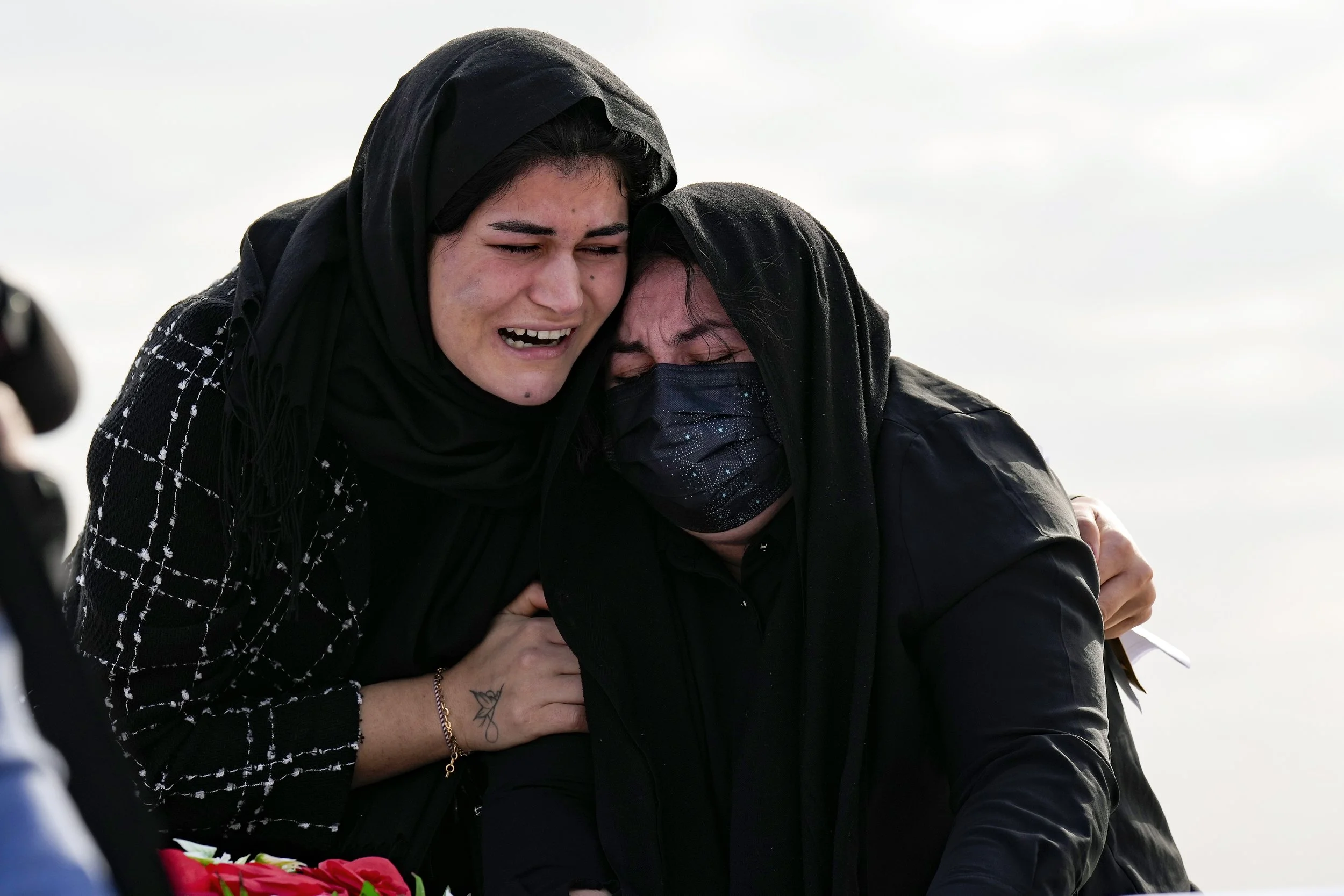
Part II: The Yazidis (Yezidis) are impoverished cultivators and herdsmen who have a strictly graded religious-political hierarchy and tend to maintain a more closed community than other ethnic or religious groups. The Yazidi homeland in the Sinjar region in northern Iraq remains a war-torn area, and the prospect of economic and political stability in Iraq remains unclear.
Chaldean weddings are the stuff of legends in metro Detroit. They are “extra,” over-the-top, and everyone wants an invitation. From the Khigga dance lines to the Zaffa playing, Chaldeans know how to party. And don’t even get me started on the food! What many don’t know is those wedding traditions and more traveled here from Iraq with marriages that bridged countries, families, and even communities in a way that is difficult to understand without having experienced it. The first Chaldeans to marry in Detroit invited the whole community to the nuptials. The entire community was family.
من بين سلسلة مقالات مجلة اخبار الكلدان حول محن المكونات الأصيلة والأقليات العرقية والدينية في العراق سبق وأن كتبنا عن أبناء خالتنا الصابئة المندائيين (عدد شهر أكتوبر 2022 ص 38-36)، وسنتناول في هذا العدد مكون عراقي اخر هو ألأزيديون، وبدورنا نأمل أن يلقي هذا المقال الضوء ولمحات على التاريخ العميق لهذا المكون الأصيل وبعض مما يحتاجه القارئ لمعرفة تاريخ وعقيدة ومعيشة ومحنة ومأساة المجتمع الأزيدي في القرن الحادي والعشرين.
The Yazidi (or Yezidi) are a Kurmanji-speaking minority group who are indigenous to northern Iraq, Kurdistan, and a geographical region in Western Asia. This includes parts of Iraq, Syria, Turkey, and Iran. Most Yazidis remaining in the Middle East today live in Iraq, primarily in the governorate of Nineveh and Duhok.
“في العراق، حتى الوشم له ماضي وحاضر متضاربان” هكذا يبدأ مقال الكاتب أحمد ويندي الصادر عام 2023 بعنوان “وشم جداتنا”، إذ كان لدى كلا جدتيه وشم تقليدي، بينما لم يكن لدى والدته – المولودة في الستينيات – أي وشم، ومن الطبيعي أن هذا دعا الى فضوله وتساؤلاته؟ ويقال إن كلمة “وشم” نشأت من الكلمة التاهيتية “تاتو”، والتي تعني وضع علامة على شيء ما.
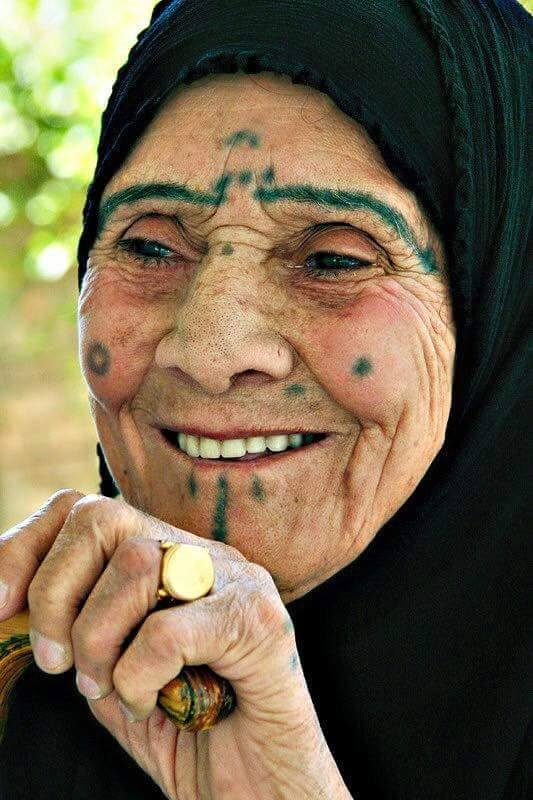
“In Iraq, even tattoos have a conflicted past and present.” So starts a 2023 essay by Ahmed Windi titled, “Our Inked Grandmothers.” His two grandmothers had traditional tattoos and his mother – born in the 1960s – did not. So naturally, he had questions
When Chaldeans first came to Detroit, they struggled to integrate into American society and learn the language. They had their own unique culture, one that was different from that of other Americans and most immigrants. At first, this was a point of pride for Chaldeans. Their faith, family values, tight-knit community, and work ethic ultimately led to success in a foreign land. Chaldeans raised their families in the same traditions that they came from and passed down their culture successfully.
We often hear about “the beloved’s hand is an Al-Khaza’aliyah’s hand,” especially in old classic folklore songs. Why this proverb or song, and what was a specific story behind it or reason for naming it? Why did poets and artists sing it and why did they do so?
Dating back to ancient Mesopotamia, the Epic of Gilgamesh stands as one of the oldest known works of literature in human history. This epic poem, written on clay tablets in cuneiform script, tells the story of Gilgamesh, the legendary half-god king of Uruk, and his quest for immortality. Through its portrayal of heroic deeds, friendship, and the inevitability of mortality, the Epic of Gilgamesh reflects the concerns and values of society in ancient Mesopotamia.
Names and naming practices in other cultural areas show a strong similarity in basic trends. Among the ancient Babylonians and Assyrians, names are theophoric designations (having the name of a god embedded in something, such as a name) such as Nebuchadnezzar of the Bible, translated as “Nabu (a god) protected the estate.” And Ashurbanipal, meaning “Ashur (a god) created a son (heir).”
من المؤكد أن هناك الكثير من الأسماء التأريخية والقاب شهيرة لعامة الناس للعوائل في العراق وعادةً ما يتم تمرير الاسم الأخير، والمعروف أيضًا باسم العائلة أو اللقب من جيل إلى جيل. ولكن هل تساءلتم يوما من أين جاءت كل هذه الأسماء؟ وكيف حصلتم على اسم ولقب عائلتكم؟ ربما التسمية جاءت من والديك، ولكن من أين حصلوا عليه؟
The Arabic language is considered one of the most elegant, pure forms of language in modern literature. With its rhythm and precision, it is the cornerstone of poetry and expression. What many people don’t know is that, although it is the language of prayer, recitation and poetry throughout the Islamic world, the Arabic language predates Islam.
Part III The Chaldeans’ journey to Detroit is a story constantly being rewritten as the community grows and evolves. It would be relatively simple to characterize Chaldeans in the early 1900s; their differences from other immigrants left them with few options besides the assembly line, menial labor, or starting their own farmers market stalls and eventually small storefronts.
Poetry is a form of art much like painting, calligraphy, composing, or playing a musical instrument. Discovering poetry is an adventure to a world of wonder led by intuition and imagination, arriving at a love of words. For those who choose to explore this medium, it is a beautiful personal journey of the mind and soul.
Fittingly, the first March cover in 2004 (and only the second CN issue ever) was about the community having a voice. Featuring a young Shoki Konja from Chaldean Voice Radio, the article told the story of the radio show that began as “Voice of the Chaldean Youth” and was broadcast from a closet below the stairs of Mother of God Church.
ألعراق بلد الشعراء والادباء الكبار ومنهم ملك الضاد والشاعر العباسي العراقي الكوفي أبو الطّيب المتنبي مالئ الدنيا وشاغل الناس، ومن سادة لغة الضاد. فالمتنبي هو شاعر العلى والعلياء، ورجل الحكمة ألعظيم والأدب النفيس والوصف ألبليغ وتكاد تكون ابياته معجم لكل الأمثلة والحكم العربية ولم يترك شي للفلاسفة ولا لشعراء العرب والأزمنة شيء يبتزون به عليه، في شعره كلمات قوية وفي صراحته قوة الشخصية ناهيك عن رقي أبيات شعره، عاش رحالا ويا أسفا قتلته حروف شعره وكبرياءه وشجاعته.
As promised, each month this year we will highlight the cover stories of that month over the last two decades. This serves as a timeline of what we thought was worth reporting, and what the community was concerned with at that time. For instance, the first cover of the first issue of the Chaldean News declared Chaldeans “An Ancient People in Modern Times.” The inaugural issue was not just about uniting the community…
Iraq is not Iraq if we exclude from its collective memory major Christian enlightenment figures such as historians, academics, scientists, doctors, lawyers, writers, journalists, archeologists, artists, and poets.
From the top, pictured are the weddings of: Vickie George and Badie Atchoo; Dr. Nathima and Dr. Peter Atchoo; and Michael and Andrea Gabbara. Shaw and Mary Hakim are pictured in the oval on the right. If you have archival photos you’d like to submit for consideration, please send them, along with captions, to edit@chaldeannews.com.
2023 stories
Part I Few members of the Chaldean community in Detroit still survive and remember what the village was like in the early 1900s, when our pioneers made the brave and challenging journey to America. What drove them to accomplish such a feat? To understand the enormity of such a journey, it’s necessary to recall the reality of village life and its simplicity.
The culinary traditions of the Chaldean community are as rich and diverse as our ancient history. Originating from the cradle of civilization, Chaldean cuisine boasts a plethora of flavors that narrate our cultural heritage. As the Chaldeans found a new home in Detroit, Michigan, we brought along our cherished recipes, crafting a unique food narrative that melds ancient traditions with the modern-day food landscape of the Motor City.
In Iraq, Christmas is a unique occasion for Christians; the celebrations, customs, and traditions are very religious in nature. Persecuted for their faith, the people in Iraq associate the festival of Christmas with two things — the birth of Jesus Christ and celebrations of the mid-winter holidays. With great devotion, the Christians celebrate the festival of Christmas by carrying out religious services and reciting prayers. The celebrations are historically serene and peaceful.
Ever since he can remember, Fadi Babbie has had warm memories of his family’s New Year’s Eve traditions, celebrated in his birthplace of Baghdad, Iraq. Not surprisingly, many of his memories are related to the food that was served.
Detroit is home to a unique Middle Eastern community who call themselves Chaldeans. This article attempts to illuminate the Chaldean heritage and religion, tracing its journey from the grand civilizations of ancient Mesopotamia to the culturally rich villages of Northern Iraq. We will explore the profound legacy of the Chaldeans and examine the integral role of the Church of the East in their identity.
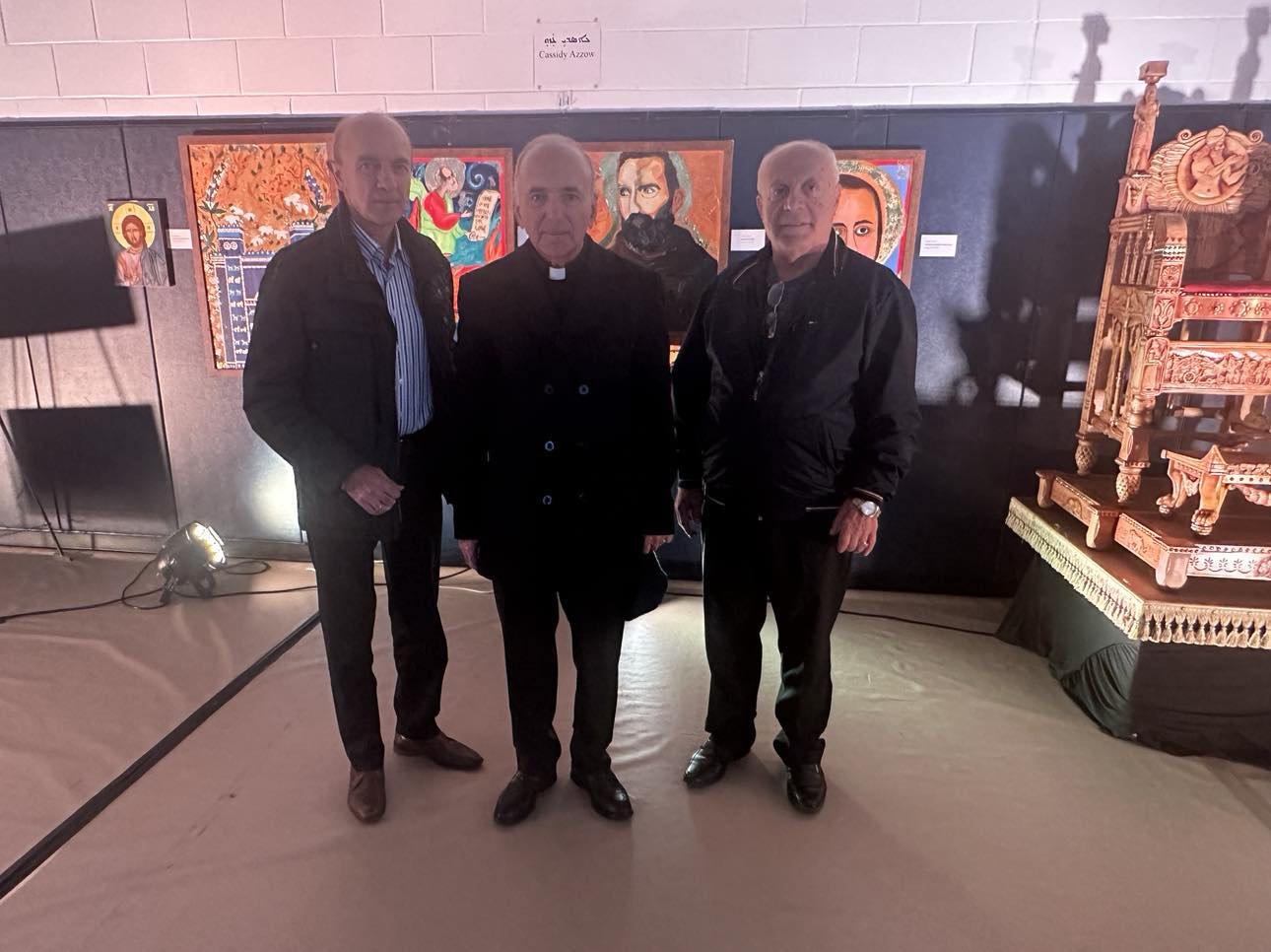
From November 3 through November 5, pieces from select artists were displayed at the Chaldean Community Foundation for the 2nd Annual Beth Nahrain Art Show. Featured artists included Reni Stephan, Sabah Wazi, Azhr Matti, Wilson Sarkis, Mark Georgies, Cassidy Azzow, Fr. Patrick Setto, Emad Tammo, Habib Hannona and Savannah Meyer. Proceeds from the event benefited the victims of the Bakhdida wedding fire through a fundraising effort supported by Nineveh Rising.
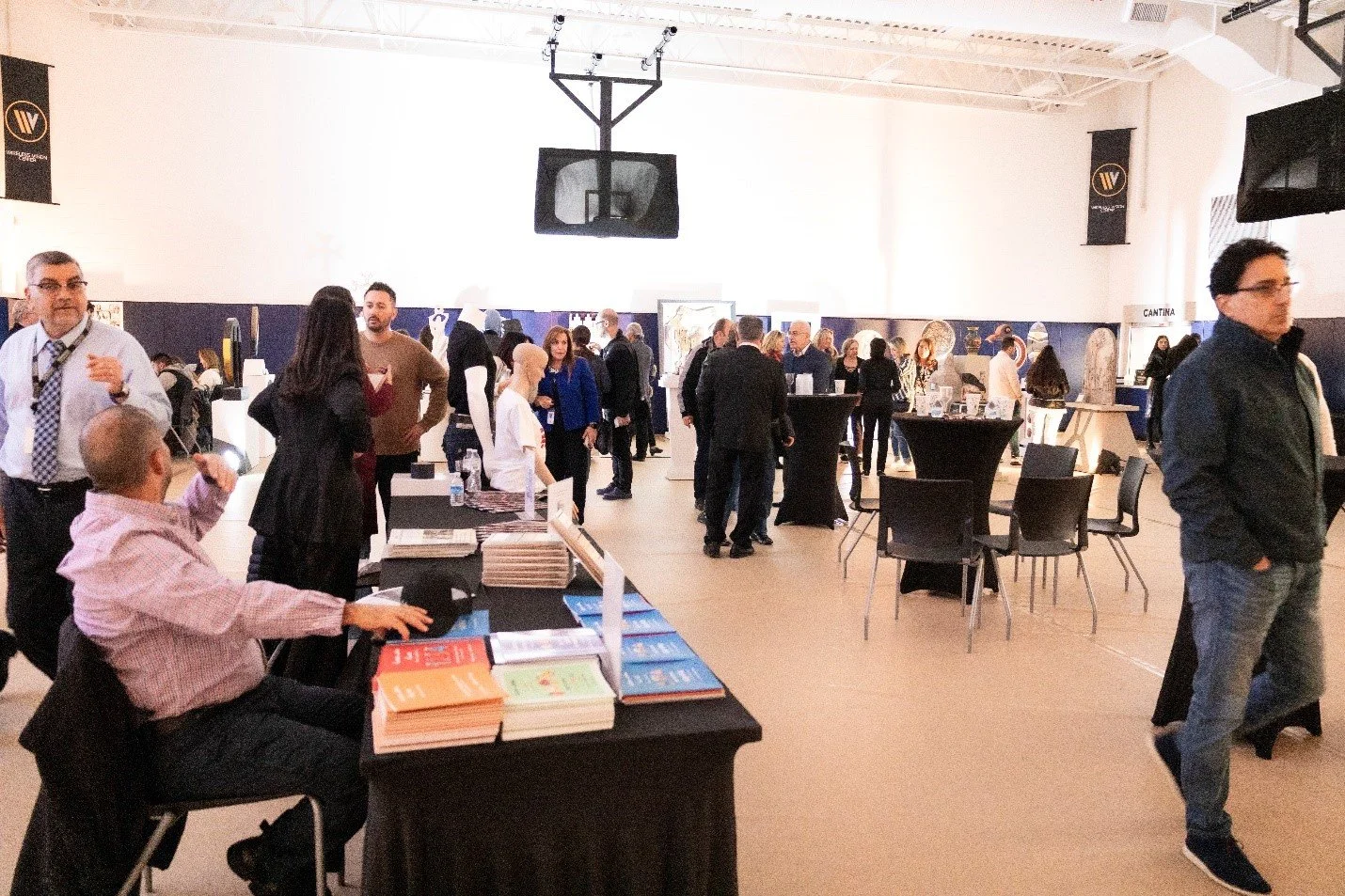
Nearly 700 attendees had the opportunity to experience the land between two rivers through paintings, woodwork and sculptures at the 2nd Annual Beth Nahrain Art Show held at the Chaldean Community Foundation November 3-5.
Featured artists included Reni Stephan, Sabah Wazi, Azhr Matti, Wilson Sarkis, Mark Georgies, Cassidy Azzow, Fr. Patrick Setto, Emad Tammo, Habib Hannona and Savannah Meyer. Proceeds from the event benefited the victims of the Bakhdida wedding fire through a fundraising effort supported by Nineveh Rising.
In the world of culinary delights, few things can match the mouthwatering tang and flavor offered by a good old-fashioned Iraqi mango pickle (amba). To tell the story of amba, or as it is popularly known in India, Aam ka Achar, we must begin with the story of Indian Ocean trade and the long-standing historical network of merchants who traversed this massive body of water for millennia bringing spices, people, and ideas to Basra-Iraq from all directions.
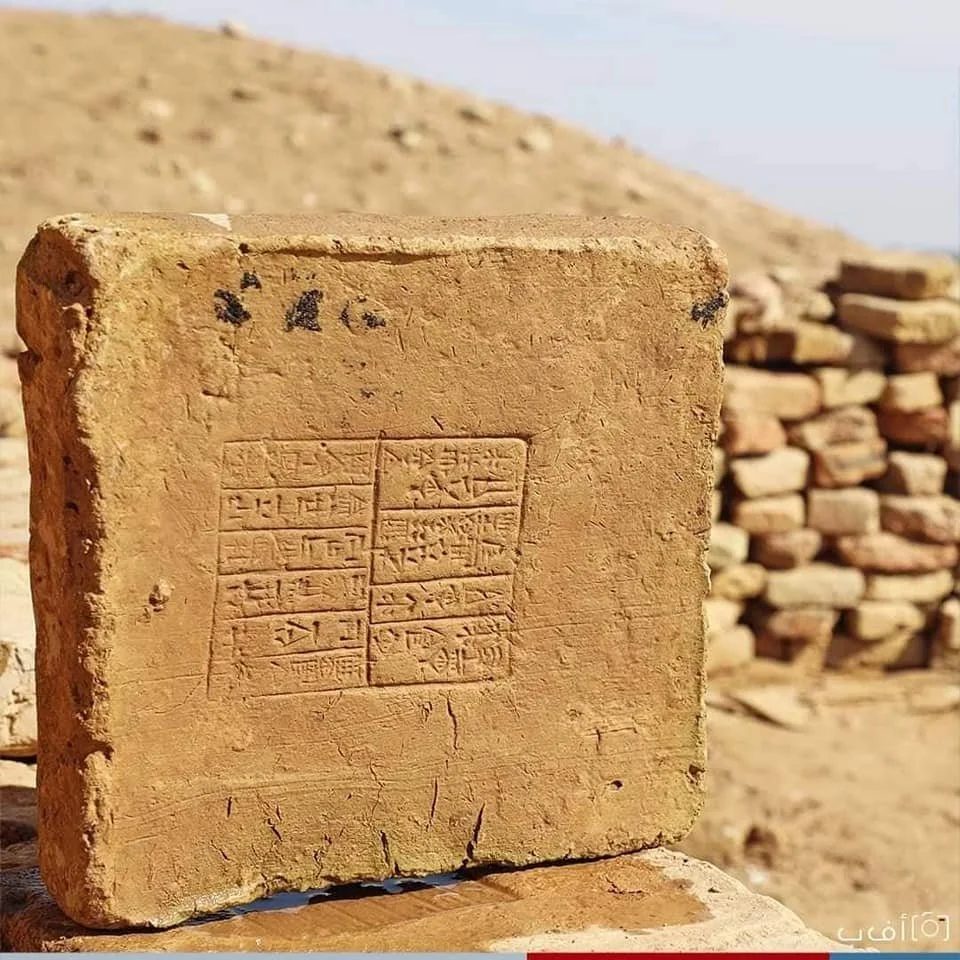
Mesopotamia, located in what is now Iraq, is considered the birthplace of writing and with it, recorded history. Its people also built the world’s first cities and developed the oldest known political and administrative systems and drafted the first known letter. The very idea of philosophy was introduced in the Epic of Gilgamesh.
The Chaldean Cultural Center (CCC) celebrated its 20th Anniversary Founders Gala on Friday, October 20 at Shenandoah Country Club. It was a night reminiscent of an ethnic bazaar, with a Chaldean bread lady, music, and other entertainment along with a stroll through the museum, a short documentary and commemoration.
In the rich tapestry of American diversity, the Chaldean community stands out as a vibrant example of immigrants who have not only embraced the American dream but have also contributed significantly to the country’s defense. With a deep sense of patriotism and a commitment to safeguarding the freedoms they’ve come to know, Chaldean Americans in every generation have a proud tradition of serving in the United States military. Hundreds of men and women have joined the effort to protect and serve.
The Aramaic language, known today in its many names and dialects like Chaldean, Assyrian, Syriac, or Sureth, was once the lingua franca of vast swathes of the Middle East and served as the voice of culture and thought for many people in the region. This language, although it experienced a significant decline since that time, has become a defining feature of the Chaldean identity, especially as waves of Chaldeans migrated to new lands in search of opportunity and safety.
The topic of dating is highly debated and ever changing; this comes as no surprise because it is a universal experience. Most of us have dated, will date, or are currently dating. However, this idea of dating is rather new to the Chaldean community, when compared to the “courting” our parents experienced.
Chaldeans have lived and learned in Michigan for over 100 years. During that time, they have brought with them and transmitted their culture and traditions, including how knowledge is passed down and inherited. The defining characteristics of Chaldeans as it relates to education are family and community.
“Mommy’s Salad,” as it was named by her children, is not just a salad—it’s a meal. On most dinner menus, salads tend to play a supporting role, served in small portions at the start of a meal. However, West Bloomfield resident Aida Yousif has taken the concept of a salad to a new level by elevating it to a full meal. Among family and friends, “Mommy’s Salad” is a favorite and has been at the top of the request list for many years.
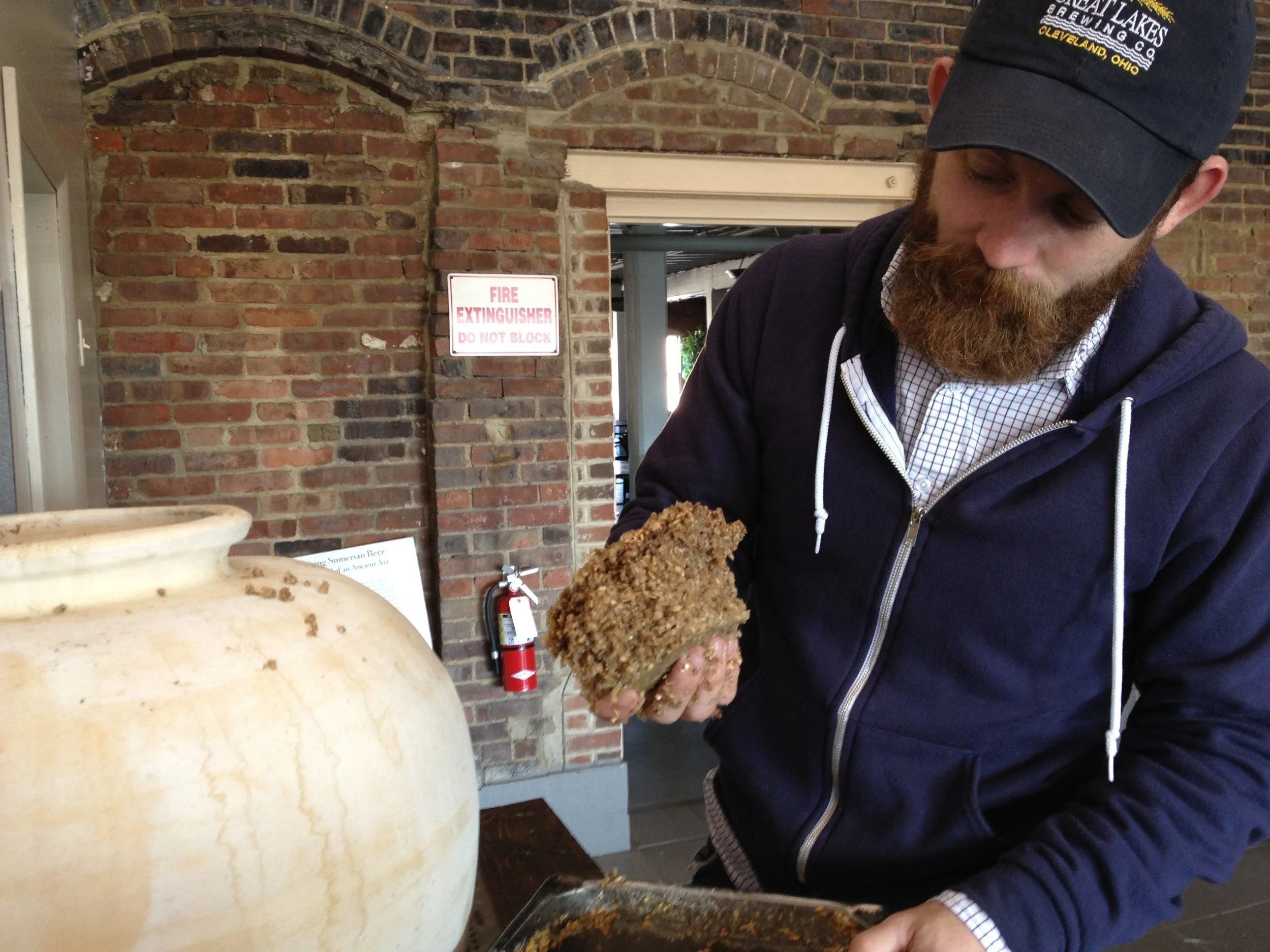
Martin Luther is credited with saying, “Whoever drinks beer, he is quick to sleep; whoever sleeps long, does not sin; whoever does not sin, enters Heaven. Thus, let us drink beer!” Beer is one of the oldest drinks known to man. Before Adolphus Busch, Arthur Amstel, and Samuel Adams – before Budweiser, Miller Lite, Coors, Michelob, the English Newcastle Brown Ale, the Irish Guinness, the Dutch Heineken, the Mexican Corona, the Belgian Stella Artois, and the Australian Fosters, there was Mesopotamian beer from Sumer.
Diya Butros Sliwa, a Chaldean political activist, lives in Erbil, Iraq, but he gives talks around the world on human rights. He visited North America recently where he gave talks and interviews in Michigan, in Canada, and he also plans to travel to Washington, DC. His goal is to bring awareness to the status of the rights of religious and national minorities in Iraq and Kurdistan.
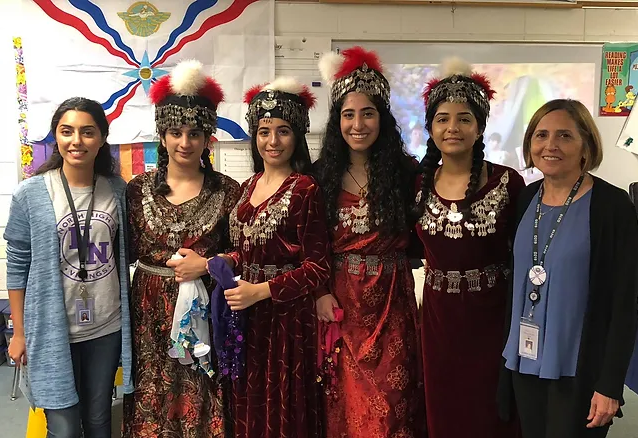
The people sitting in the audience of the Niles Township High School board meeting focused all of their energy on the event that would take place in just a few minutes. They were adorned with joleh d’khomala, a traditional Assyrian outfit that shows off bright colors, embroidered patterns, and feathers coming out of the headdress.
In 2020, Nathan Pawl’s son, an honor-roll student, felt attacked because he wouldn’t wear a mask in school. This was in Walled Lake School District, and when Pawl, the father, tried to resolve the situation, he felt frustrated that he wasn’t being heard. Pawl then decided to act. He teamed up with Monica Yatooma, a former Oakland County Commissioner candidate, and Matthew Nelson, a Walled Lake parent, and they founded the Great Schools Initiative (GSI), a non-profit organization based in Michigan and dedicated to advocating for premium public education.
Michigan is such a beautiful state. We are surrounded on three sides by water – fresh, glorious water – and have the advantage of experiencing all four seasons of the year, sometimes in the same week! (You may have seen memes on social media that say, “Everyone: “You can’t have all four seasons in one week.” Michigan: “Hold my Faygo.”)