
Iraq’s Sectarian Balance Tested as Presidential Vote Is Postponed
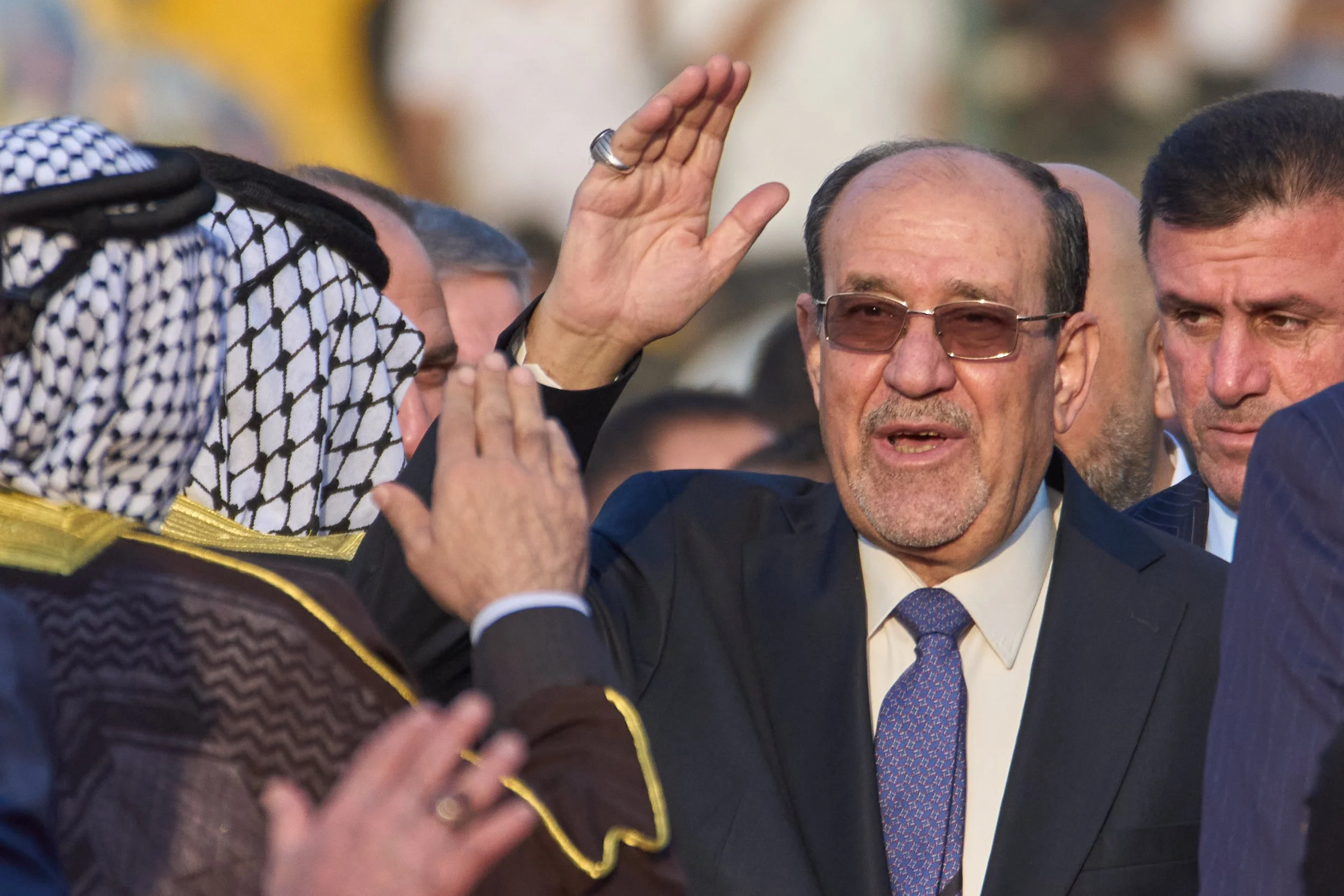
Former Iraqi Prime Minister Nouri al-Maliki arrives to his political block campaign rally before the parliamentary elections in Baghdad, Iraq, Friday, Nov. 7, 2025. Photo by Hadi Mizban/AP
Iraq’s parliament has postponed the vote to elect a new president to allow further talks between the country’s two main Kurdish parties, the Kurdistan Democratic Party (KDP) and the Patriotic Union of Kurdistan (PUK), amid an unusual dispute over the Kurdish nominee for the largely ceremonial post. Under Iraq’s post-2003 power-sharing system—well known to Iraqis and Chaldeans alike—the presidency is reserved for a Kurd, the prime ministership for a Shia Muslim, and the speaker of parliament for a Sunni Muslim, a balance meant to reflect Iraq’s diverse communities.
The delay comes after the KDP nominated Foreign Minister Fuad Hussein, breaking from the long-standing arrangement in which the PUK typically holds the presidency, while the KDP controls leadership of the Kurdistan Regional Government. Any Kurdish candidate must still secure backing from Shia and Sunni blocs in Baghdad, where political negotiations often ripple into daily life for Iraq’s Christian and Chaldean communities, who closely watch government stability and security developments.
Once a president is elected, he will have 15 days to appoint a prime minister, a position widely expected to go to former prime minister Nouri al-Maliki. Maliki, who led Iraq from 2006 to 2014—a period marked by sectarian violence, displacement, and significant emigration of Chaldeans and other Christians—has been endorsed by the Shia-led Coordination Framework. His expected return has drawn warnings from the United States due to his perceived closeness to Iran, highlighting once again how Iraq remains a political and diplomatic battleground between Washington and Tehran, with consequences felt across Iraq’s minority communities.