
Regional Escalation Threatens Stability in Iraq and the Gulf
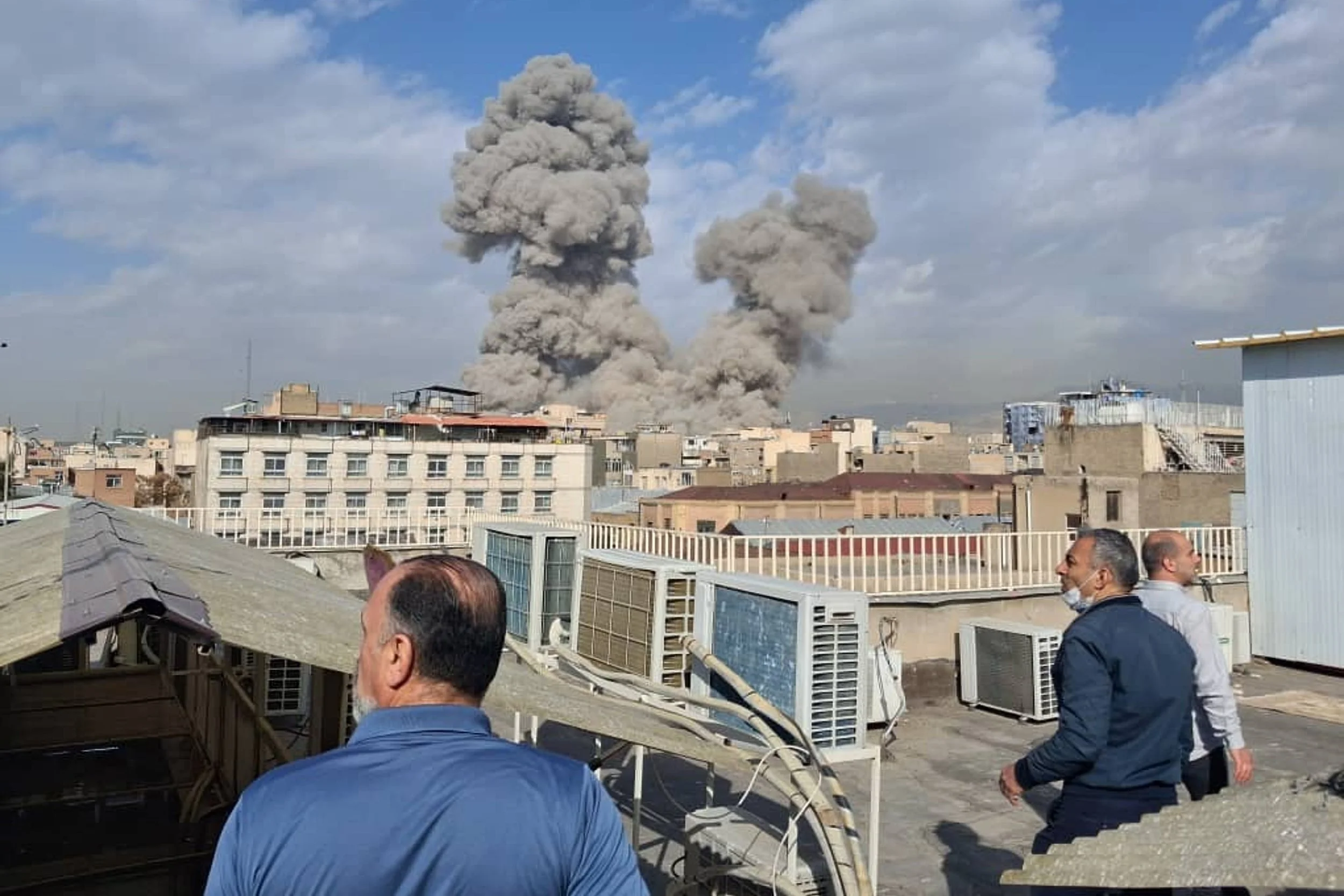
People watch as smoke rises on the skyline after an explosion in Tehran, Iran, Saturday, Feb. 28, 2026.(AP Photo)
Iran has launched missile and drone strikes against U.S. military assets across the Gulf following a major joint attack on Iran by the United States and Israel. According to Iranian officials and the Islamic Revolutionary Guard Corps, American and Israeli targets throughout the region are now considered legitimate targets, and operations will continue until what Tehran calls “aggression” ends. Strikes and interceptions were reported in Bahrain, Kuwait, Qatar, United Arab Emirates, Saudi Arabia and northern Iraq. Civilian areas were also affected, with casualties and property damage reported, while several Gulf states temporarily closed their airspace. The Strait of Hormuz, a vital oil shipping route, was also reportedly affected, raising fears of wider economic and security consequences.
For Chaldean communities with deep ties to Iraq and the broader Middle East, the escalation heightens concerns about regional instability and the safety of civilians, especially in places like Erbil in the Kurdistan Region. Armed groups such as Kataib Hezbollah have threatened further attacks on U.S. bases, adding to fears of a broader confrontation. Notably, Oman—which has long acted as a mediator between Iran and the United States—has so far been spared, even as its recent diplomatic efforts collapsed after the outbreak of fighting. As tensions rise, many in the region worry that continued retaliation could draw in more countries and further endanger already vulnerable communities.