
Preventing the Preventable
A community health wake-up call
By Crystal Kassab, Ed.D.
April is National Minority Health Month, highlighting the health disparities that affect racial and ethnic minority groups. By understanding the social determinants of health impacting Chaldeans, both physicians and patients can encourage preventive care and improve outcomes.
According to the Centers for Disease Control and Prevention, nearly half of U.S. adults have hypertension, or high blood pressure, and only about a quarter have it under control.
“It’s known as a silent killer,” said Dr. Neeran Bajouka, a board-certified internist and primary care physician (PCP) in Farmington Hills. “There are usually no symptoms until you find out from a stroke, a heart attack, or kidney dysfunction, for example.”
About 25% of Dr. Bajouka’s patients are Chaldean or Arab, and roughly half of them have hypertension, mirroring national statistics. She said it is the leading cause of cardiovascular disease. Two other “silent killer” risk factors common among Chaldeans are hyperlipidemia (high cholesterol) and diabetes. Understanding their root causes can help underscore the importance of preventive care.
Dr. Bajouka, a 1989 graduate of Salaheddin University in Erbil, Iraq, said all three conditions can be genetic and often occur together. They can also trigger stress hormones, such as cortisol and adrenaline, increasing the risk of heart attack and stroke. As a family-oriented community, many Chaldeans take on caregiving roles that can bring stress and grief, which may affect overall health. While a traditional Iraqi diet is generally healthy, foods high in salt — such as pickled items like turshi — and those prepared with excessive oil can contribute to heart disease if not consumed in moderation.
To help prevent these conditions, adults should have an annual physical. High blood pressure can be diagnosed using a standard cuff in a doctor’s office, while high cholesterol and diabetes are detected through routine blood tests. Regular monitoring allows physicians to track progress and intervene when necessary. If needed, medications may be prescribed to manage these risk factors. Antihypertensive drugs, for example, fall into several classes, with treatment tailored to each patient’s overall health and any coexisting conditions. GLP-1 medications, such as Wegovy and Zepbound, have also proven effective in treating Type 2 diabetes.
“Treatment is very personalized,” said Dr. Bajouka. “What works for you may not work for others.”
She emphasized that lifestyle changes remain essential in preventing heart disease. Limiting processed foods, such as lunch meats, chips and soda, is important, as is avoiding smoking and excessive alcohol use. Even moderate physical activity — such as 30 minutes of exercise every other day, including yoga or Pilates — can make a difference. Practices like meditation and prayer may also support overall well-being.
“Don’t wait too long to take care of yourself,” she said. “The time is now.”
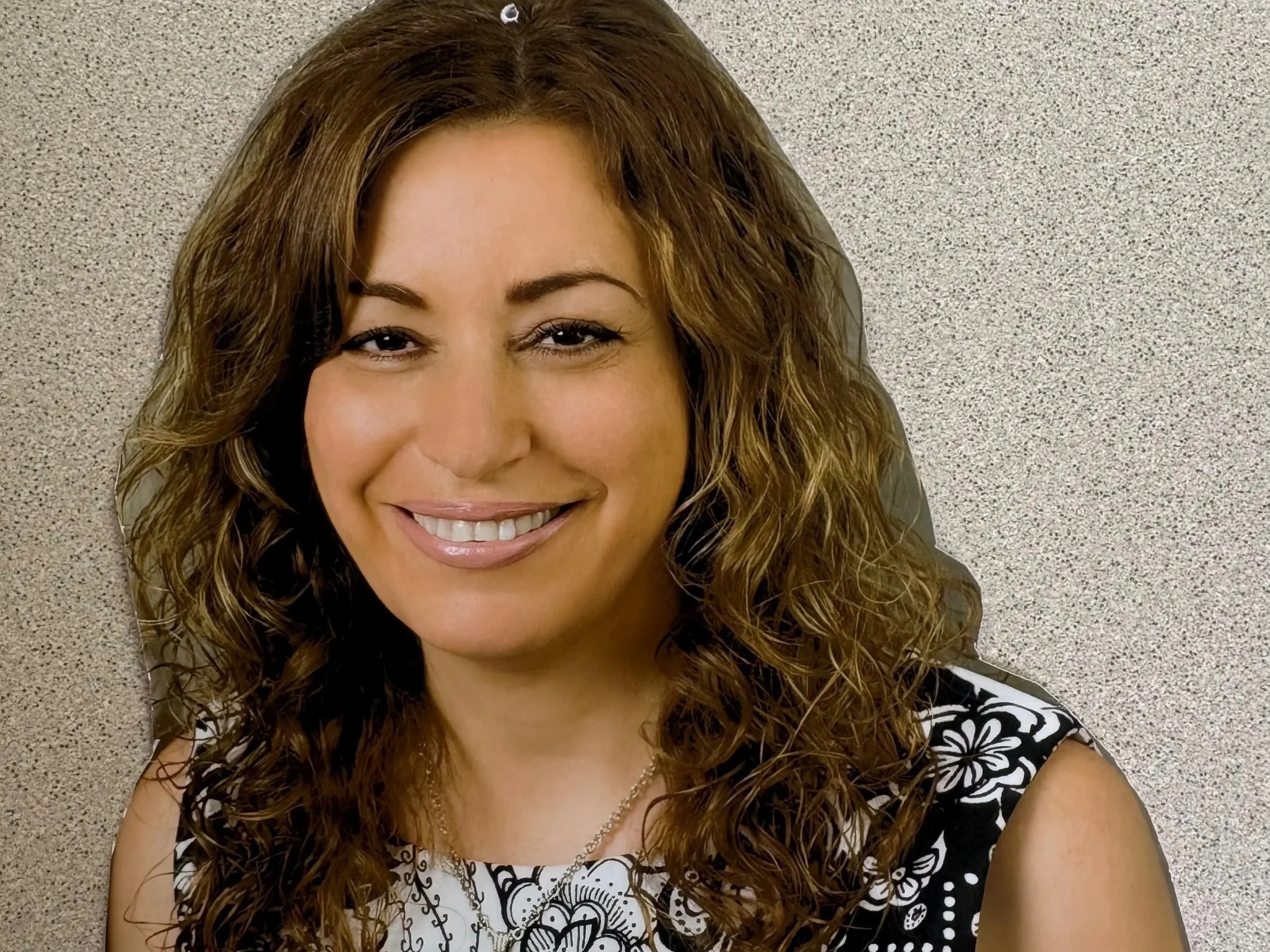
Dr. Neeran Bajouka and Dr. May Antone own Primary Care Center in Farmington Hills and are affiliated with Henry Ford Providence. To schedule an appointment, call (248) 865-3740.
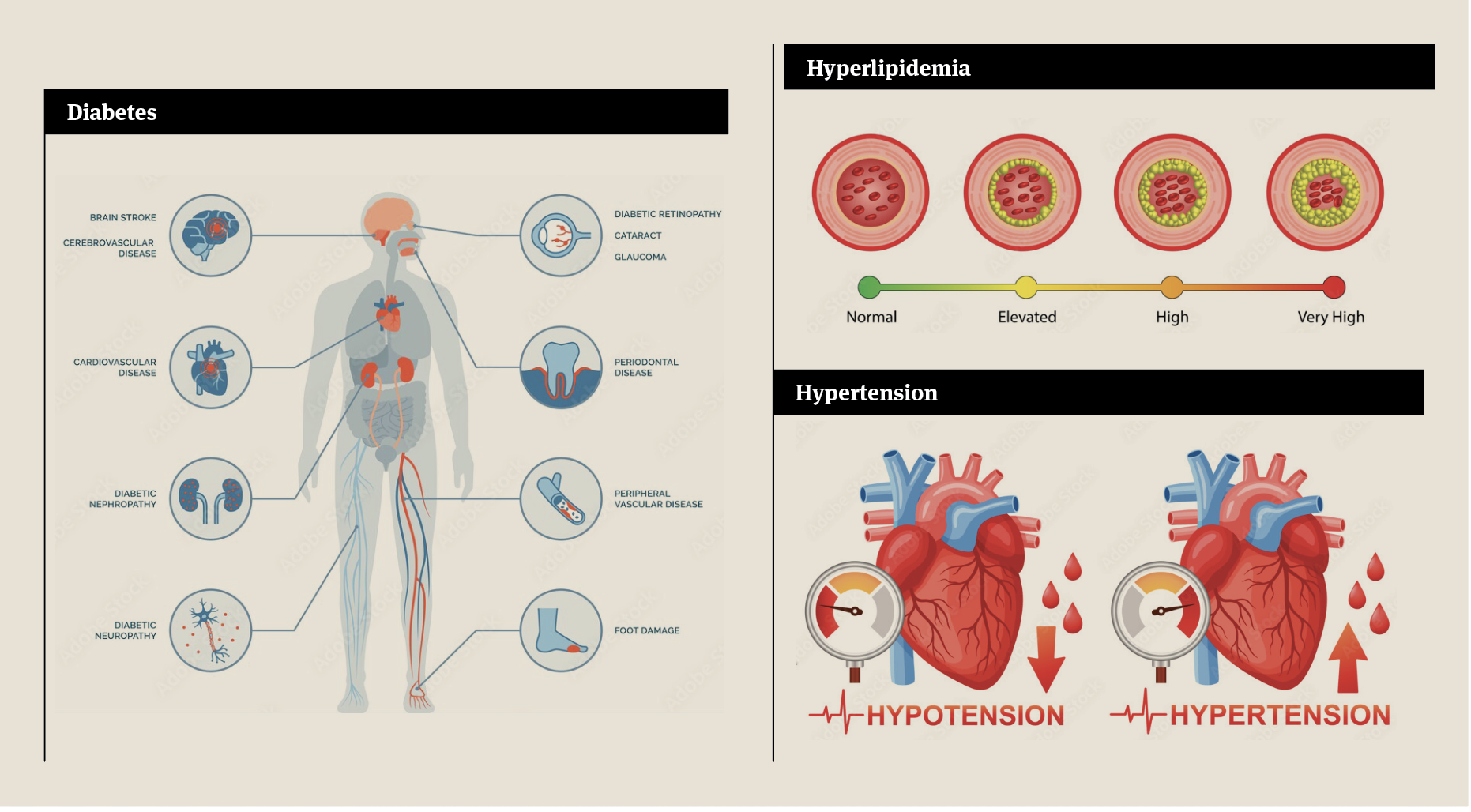
The “Big Three” Explained
Hypertension (high blood pressure): Damages arteries over time, making them less elastic and prone to blockages.
Hyperlipidemia (high cholesterol): Leads to fatty deposits (plaques) in artery walls.
Diabetes (high blood sugar): Damages blood vessels and nerves controlling the heart.
Source: CDC.gov