
Between Identity and Duty
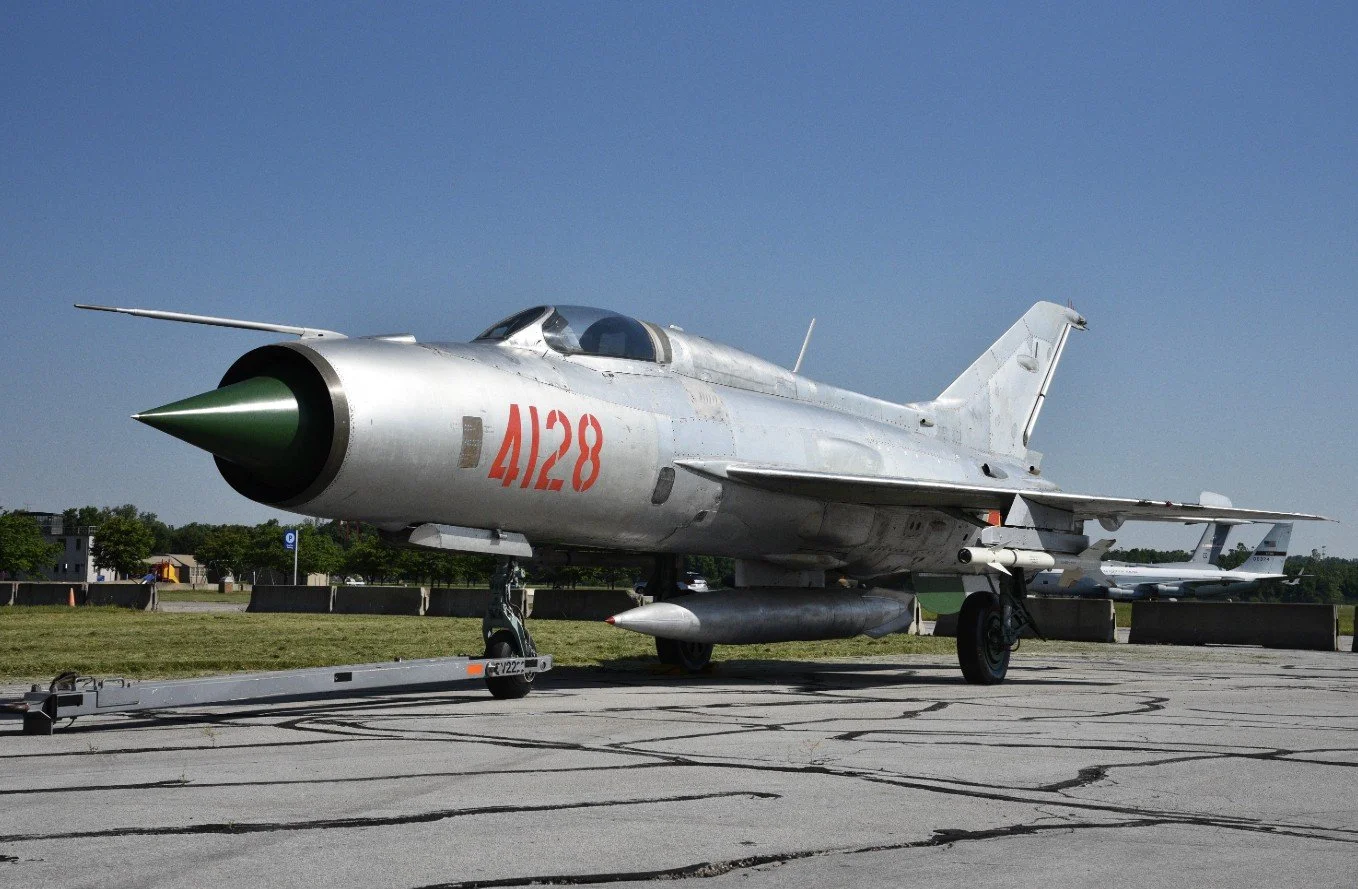
Mikoyan-Gurevich MiG-21PF “Fishbed-D” at the National Museum of the U.S. Air Force.
The Chaldean pilot who changed history
By Michael Sarafa
In the shadows of the Cold War, when global superpowers competed not only through armies but through intelligence and technology, one man of Chaldean/Assyrian ancestry made a decision that would alter the balance of power in the Middle East—and leave a lasting mark on history. His story later inspired the 1988 HBO film Steal the Sky. My wife came across it while reading about Israeli spy Eli Cohen, a story I had not previously encountered.
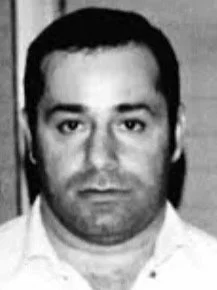
The late Munir Redfa.
That man was Munir Redfa, an Iraqi fighter pilot born in Baghdad in 1934. A proud member of the Chaldean Catholic tradition and of Assyrian heritage, Redfa rose through the ranks of the Iraqi Air Force at a time when Iraq was rapidly modernizing its military with advanced Soviet equipment, including the Mikoyan-Gurevich MiG-21, then considered one of the most sophisticated fighter jets in the world. He served in the Iraqi Airforce during the reign of King Faisal II and continued after Abdal Karim Qasim and other military officers overthrew the monarchy in 1958.
But beneath the uniform, Redfa carried a quiet burden familiar to many minorities in the region. As a Christian in a predominantly Muslim military structure, he faced discrimination and mistrust. His faith limited his advancement, and he was often treated as an outsider within the very institution he served.
By the early 1960s, global intelligence agencies were desperate to understand the MiG-21’s capabilities. Israel, in particular, sought direct access to the aircraft, recognizing that insight into its strengths and weaknesses could determine survival in future conflicts. This effort, led by the Israeli spy agency, Mossad, became known as Operation Diamond— a bold and highly risky mission to acquire a Soviet fighter jet directly from an Arab air force.
Enter Redfa.
Through a carefully orchestrated intelligence operation, he was approached and ultimately agreed to defect. His motivations were deeply personal: frustration with discrimination, concern for his family’s safety, and moral opposition to military actions he was ordered to carry out. In exchange, he was promised a new life—and most importantly, safe passage for his entire family.
What followed was one of the most daring acts in aviation and espionage history.
On Aug. 16, 1966, Redfa took off in his MiG-21 on what appeared to be a routine training mission. Instead, he altered course mid-flight and crossed into foreign airspace. As regional forces tracked the unidentified aircraft, confusion and miscommunication allowed him to continue his escape. Low on fuel, he approached Israel, where he was intercepted—but not attacked. Israeli fighter jets escorted him safely to land.
With that landing, Redfa delivered not just an aircraft, but a strategic breakthrough.
The captured MiG-21 was studied extensively by both Israel and the United States. The intelligence gained provided critical insights into Soviet aviation technology and helped reshape aerial combat strategy. Within a year, Israeli forces demonstrated a decisive advantage against similar aircraft in combat, validating the mission’s importance.
For the Chaldean community, Redfa’s story carries a deeper meaning. He was not simply a pilot or a defector—he was a man navigating identity, faith, and survival in a region often hostile to minorities. His journey reflects the difficult choices faced by many Chaldeans and Assyrians throughout the 20th century, caught between loyalty to homeland and the realities of discrimination.
After his defection, Redfa lived out his life outside Iraq, with his family safely relocated. He died in 1998, leaving behind a legacy that is both complex and compelling.