
Why America Needs H-1B Talent
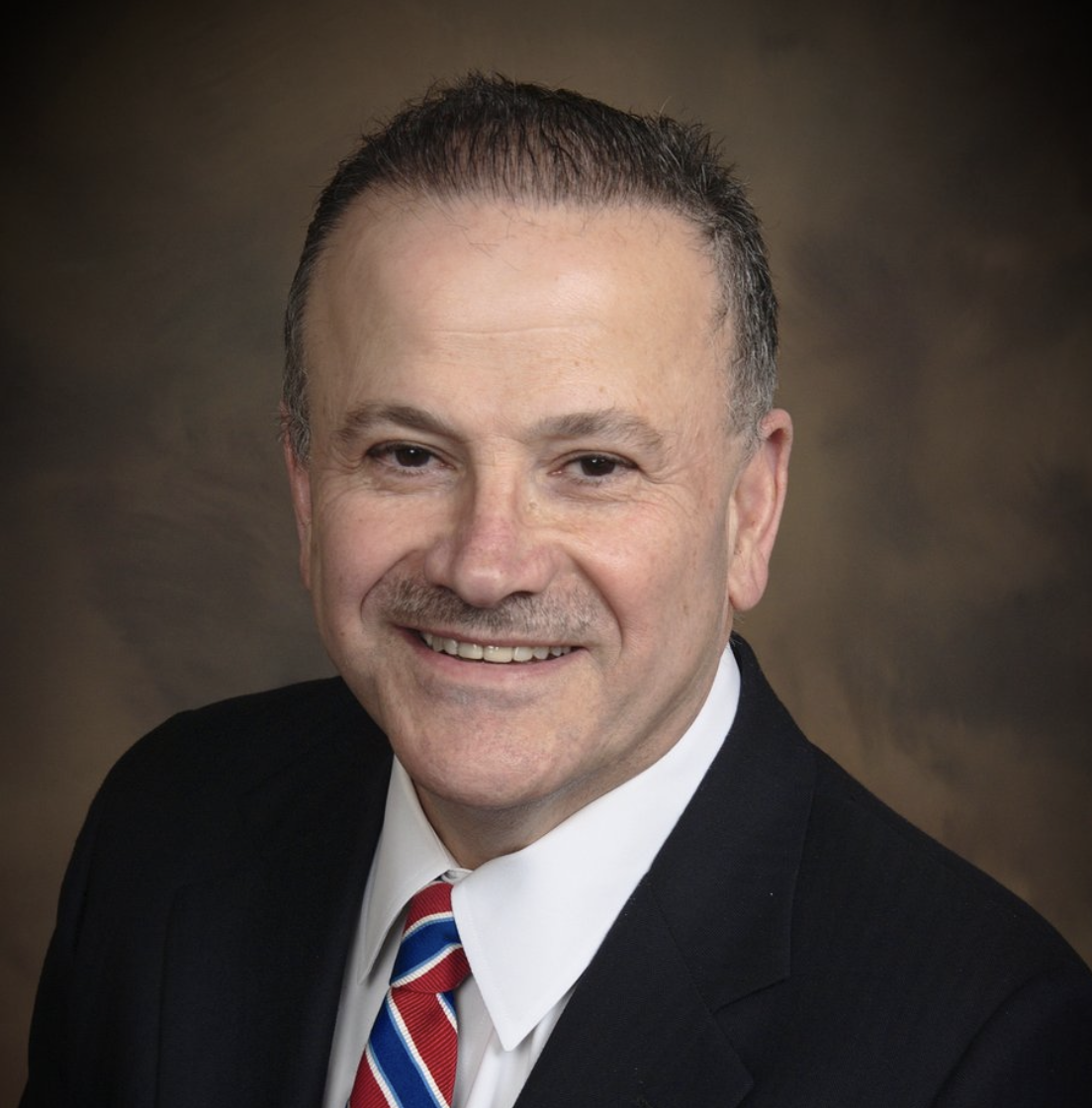
N. Peter Antone
Special to the Chaldean News
There has been a surge of commentary about the H-1B program lately. Much of it, in my view having worked in this field for over 30 years, is misguided. Too often, the debate assumes that H-1B professionals threaten the U.S. workforce. In reality, the program brings in only about 85,000 highly educated professional workers in specialty occupations a year—an insignificant number in a labor force of nearly 180 million.
The real benefits of the program show up over time. Many H-1B recipients, even those who start in entry-level roles, are among the top talent in their home countries. They may not be today’s CEOs, but many become tomorrow’s innovators, scientists, executives and industry leaders. Just look at former H-1B holders like Elon Musk and the CEOs of Google, Alphabet, Microsoft, IBM, Nvidia, the World Bank, Adobe and many others.
When an employer decides to sponsor a foreign national—and pay close to $10,000 in legal and government fees—the incentive is to hire exceptional candidates, not mediocre ones. The idea that H-1B professionals are simply “cheap labor” doesn’t square with reality. H-1B workers can change employers if they’re mistreated or underpaid, and companies are required to pay them wages comparable to—or higher than—those of American workers or face serious penalties. If some companies break the rules, punish the abusers. But don’t dismantle a system that overwhelmingly benefits the country.
The wage-depression argument also falls apart under scrutiny. The U.S. admits more than a million family-based immigrants each year who can work in any field and might do so for minimum wage—yet we do not see massive wage suppression from that group. H-1B professionals, by contrast, fill highly specialized roles governed by strict wage rules.
And let’s remember: In the early 1990s, when there was no cap on H-1B visas, the United States experienced an explosion of technological growth, including the birth of the internet economy. Immigration wasn’t the only factor, but access to global talent clearly played a part. A Harvard study at the time even found that each H-1B professional was associated with the creation of five American jobs.
The instinct to “cut immigration” ignores demographic reality. Without a steady influx of skilled, working-age people, the U.S. will face population decline, labor shortages, and slower economic growth. A healthier way to view H-1B professionals is as future Americans—already educated, already contributing, and already excelling in their fields. They are not a threat to our economy. They are one of its greatest assets.