A Legacy of Leadership
Coach Thaier Mukhtar molds champions
By Sarah Kittle
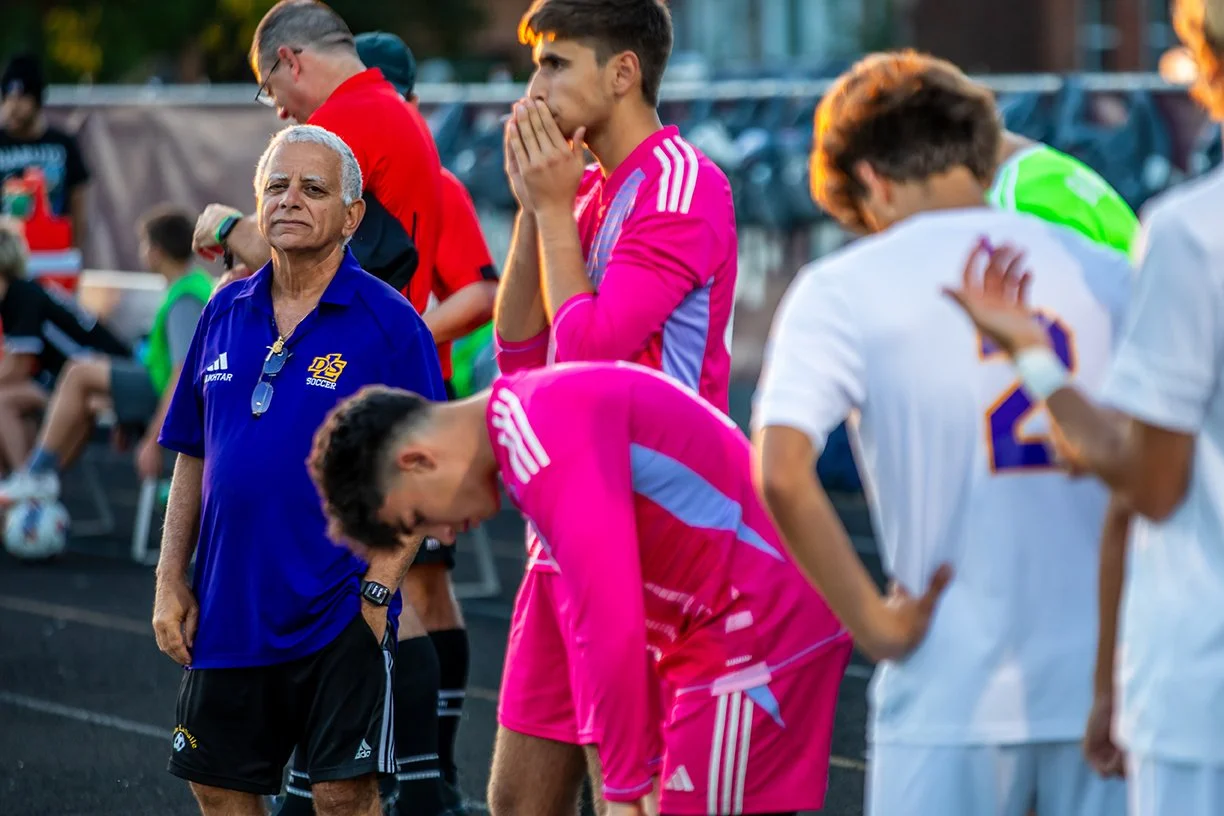
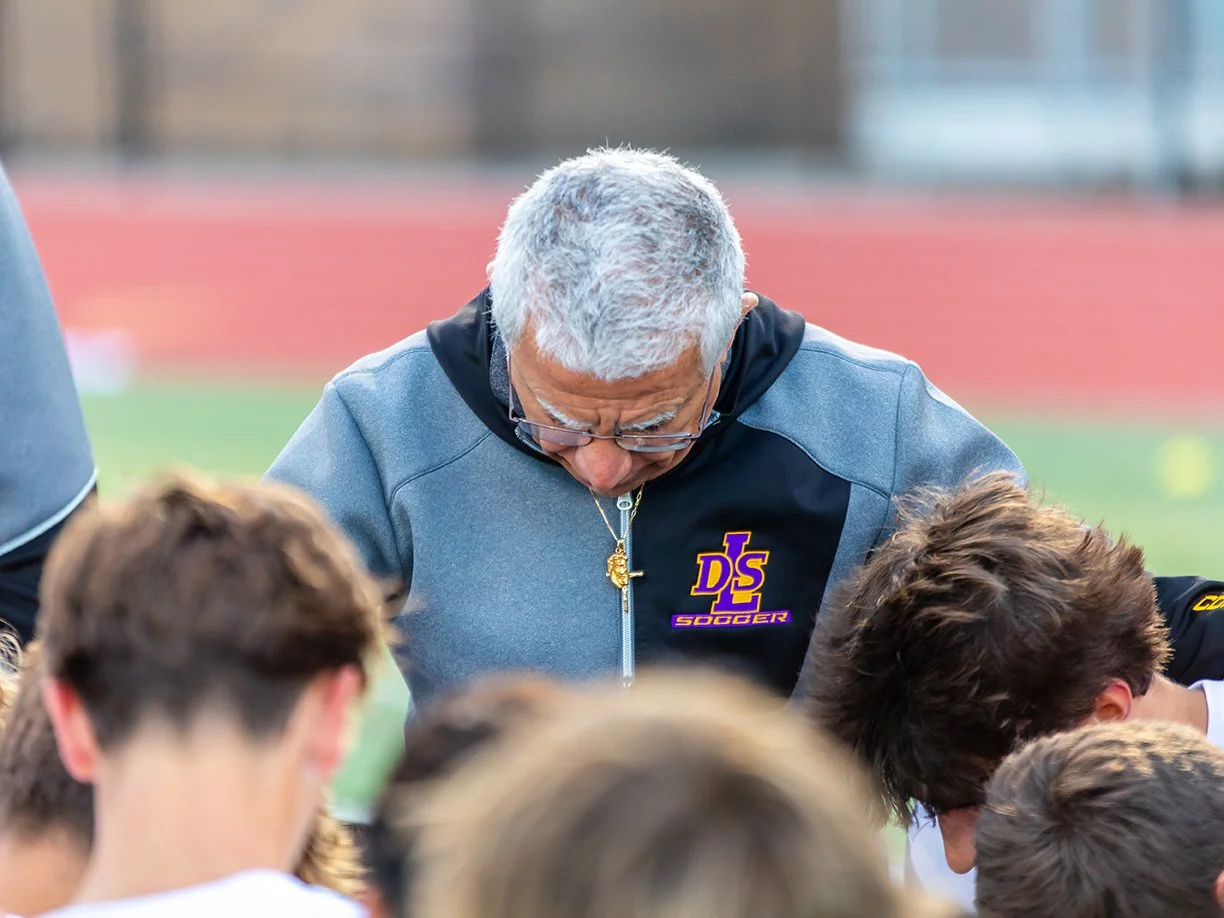
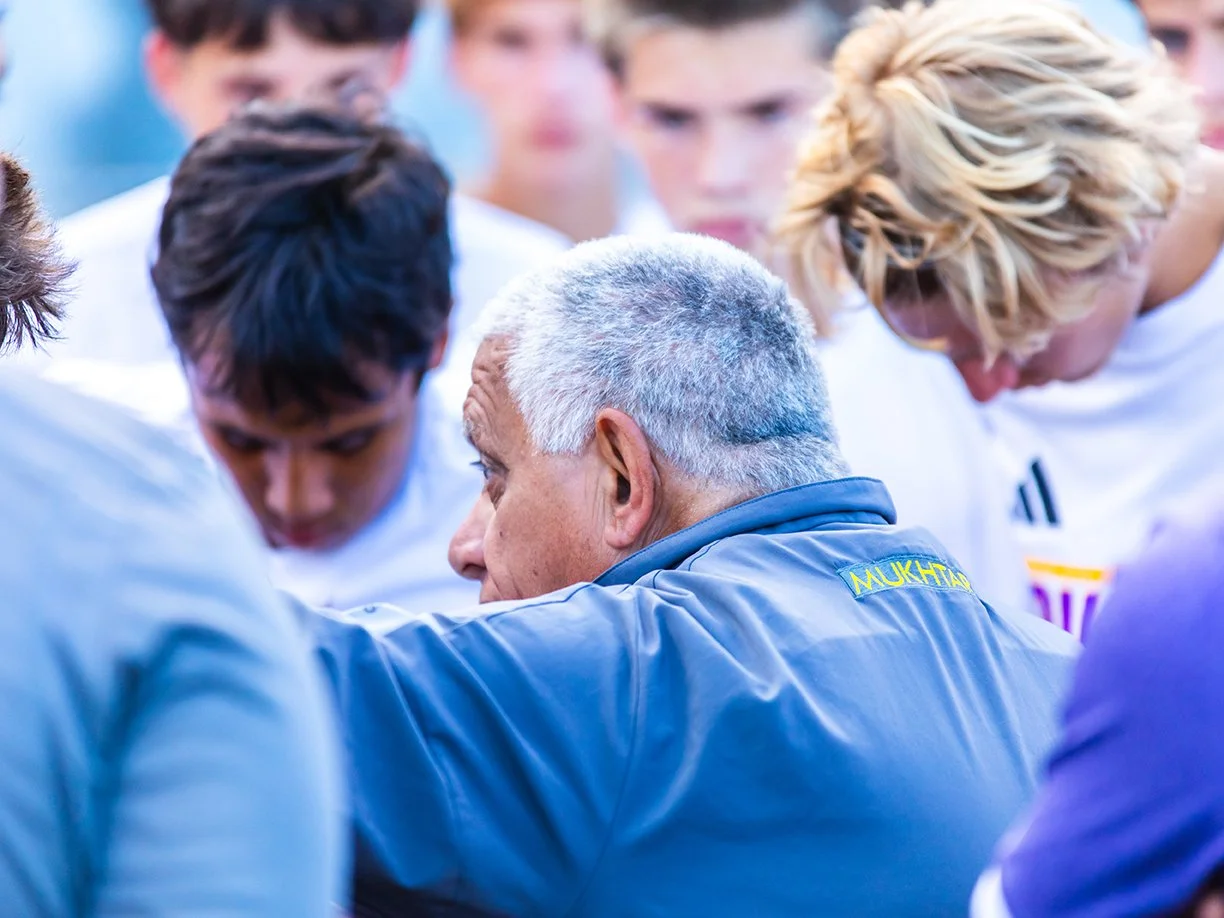
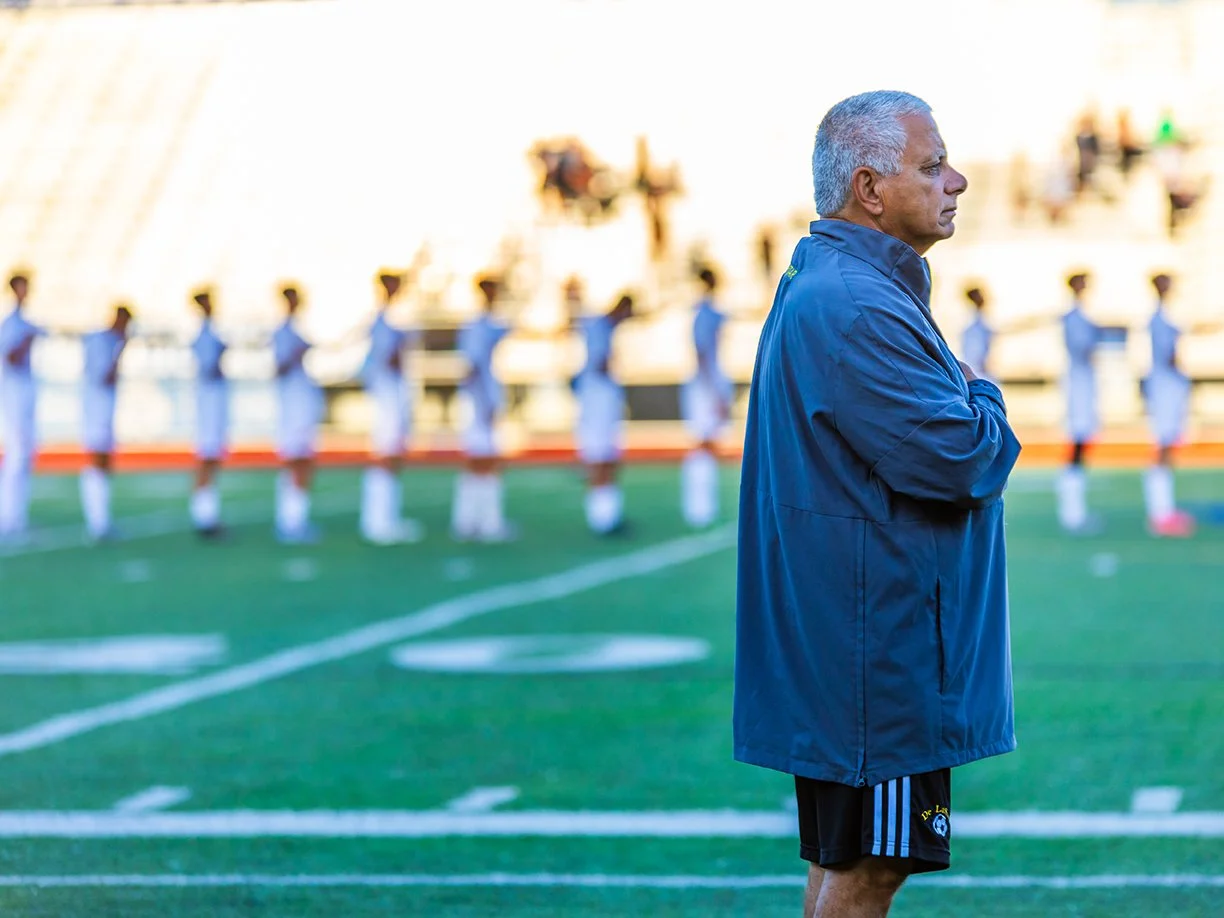
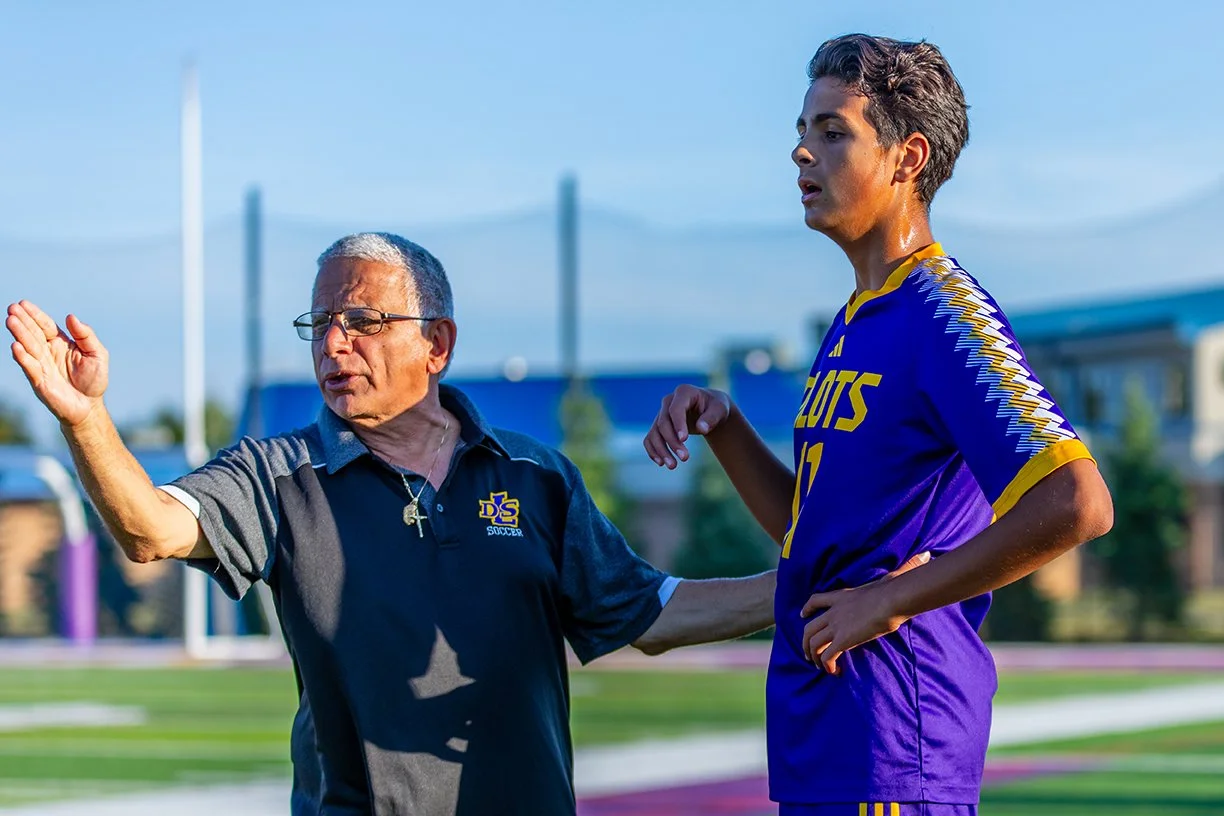
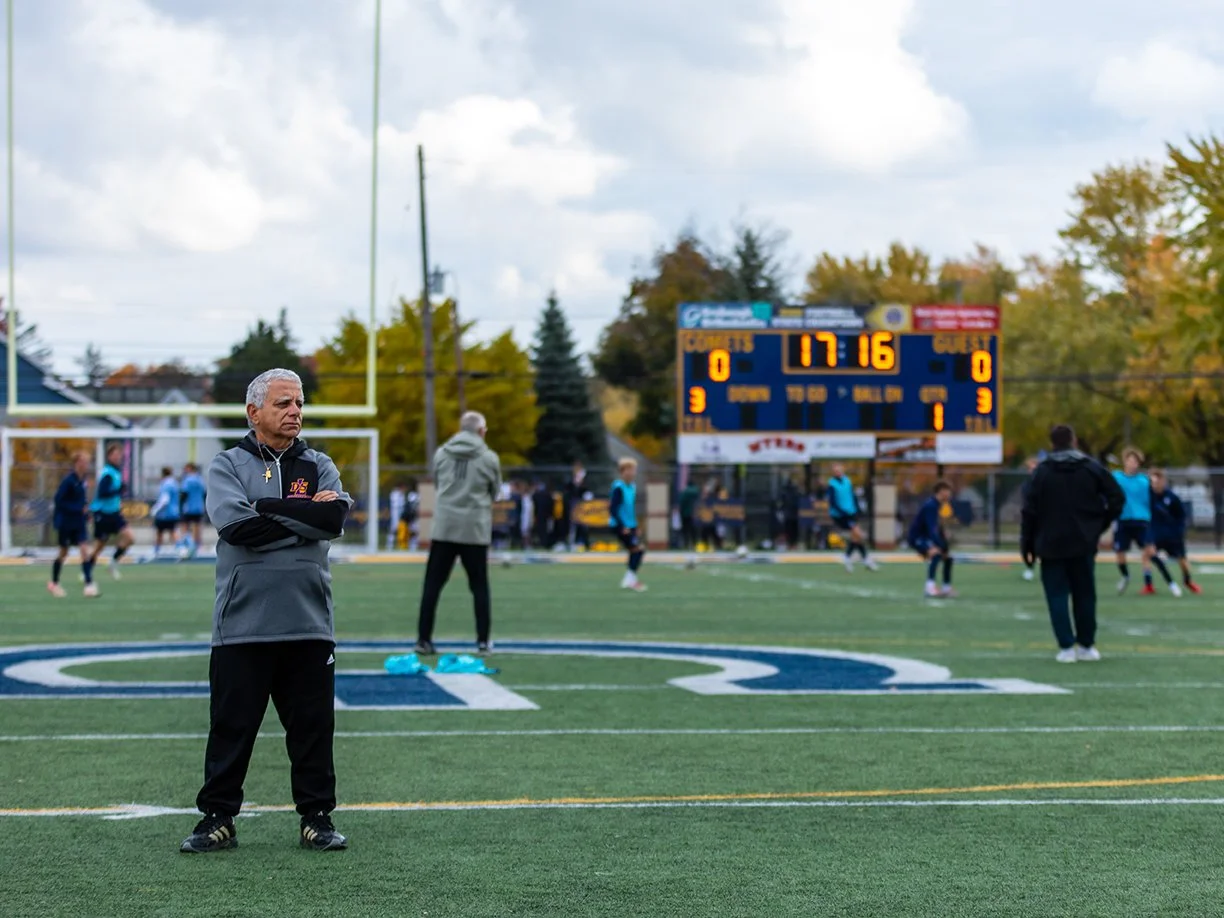
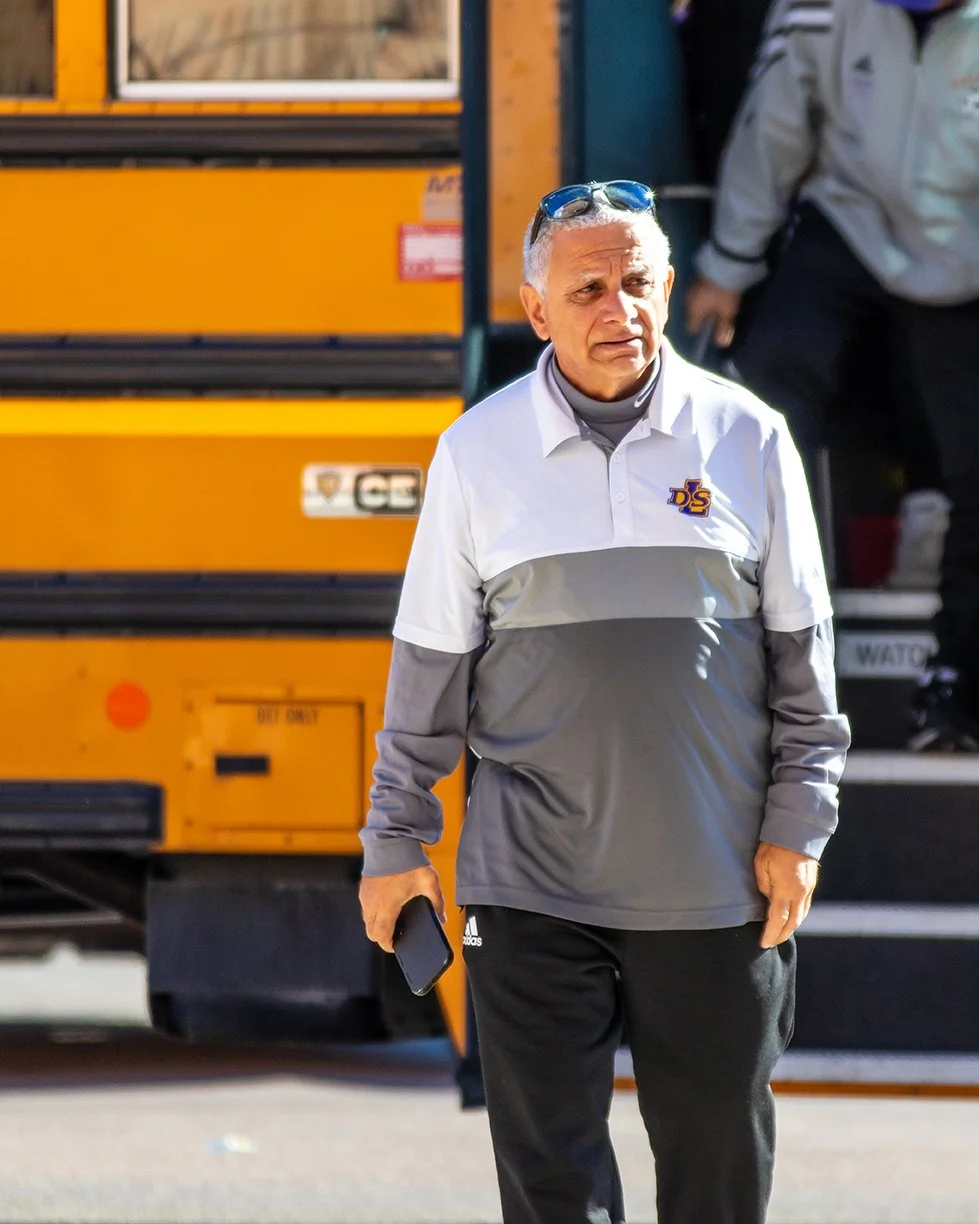
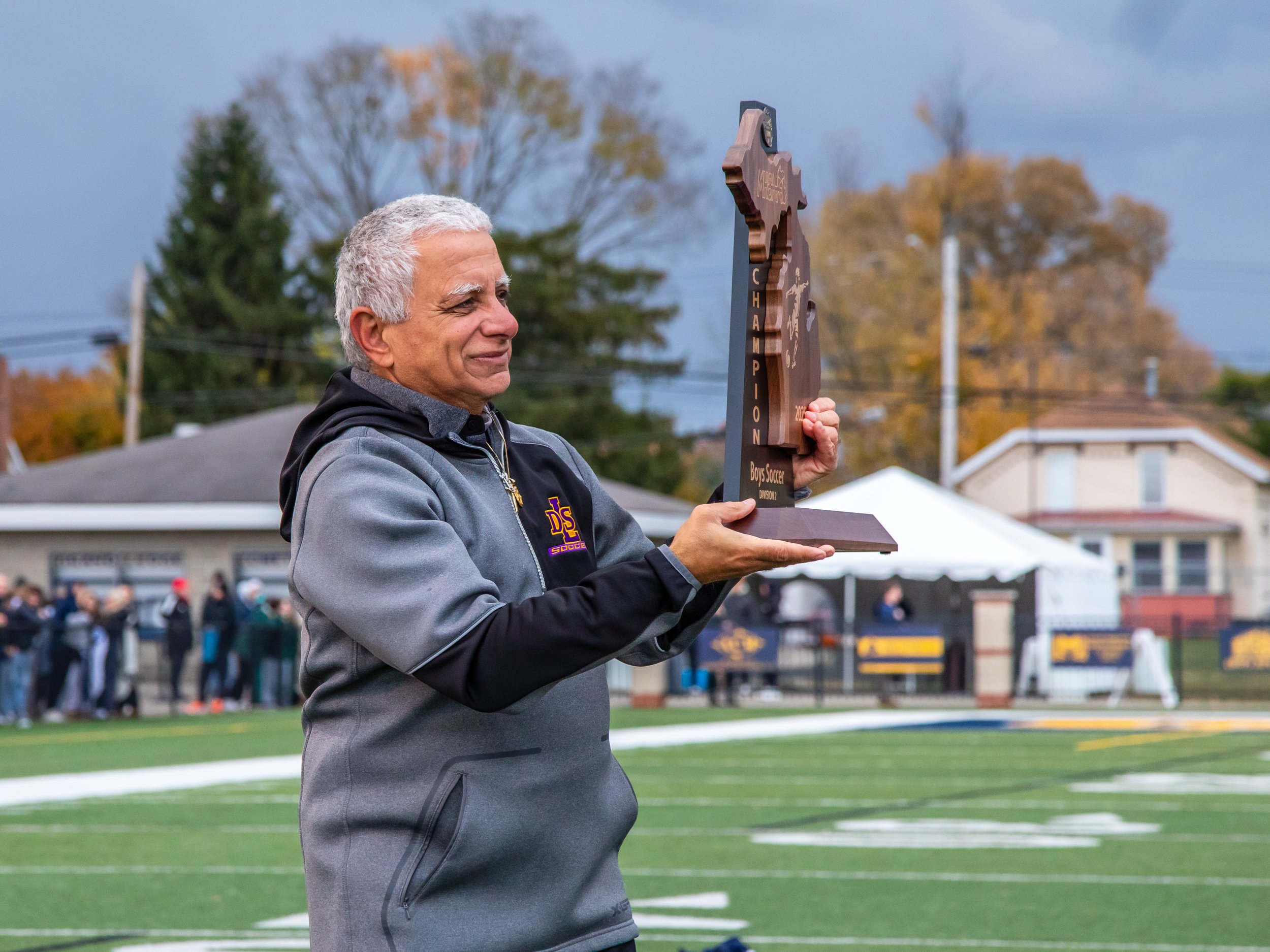
For more than four decades, Coach Thaier Mukhtar has shaped one of Michigan’s most respected high school soccer programs, leading De La Salle Collegiate High School in Warren to hundreds of victories, multiple state championships, and a reputation for excellence that extends far beyond the field.
Yet for Mukhtar, the true measure of success has never been trophies or banners.
“You’re not going to remember the rings,” he often tells his players. “You’re going to remember the journey—the brothers you went through it with.”
A Calling Discovered Through Coaching
Mukhtar joined De La Salle in 1983, the same year the school relocated from Detroit’s east side to Warren. Just 22 years old, he coached one season at the junior varsity level before being named varsity head coach—a role he would go on to define for generations.
At the time, teaching was not part of his plan.
“I never thought I’d be a teacher,” Mukhtar said. “Coaching was what I loved.”
Encouraged by De La Salle leadership and his wife, Sonia, Mukhtar returned to Wayne State University in his late 20s to earn his teaching certification. By his early 30s, he had found his calling in Catholic education—one rooted in discipline, mentorship, and service.
“I truly believe this is why God put me here,” he said.
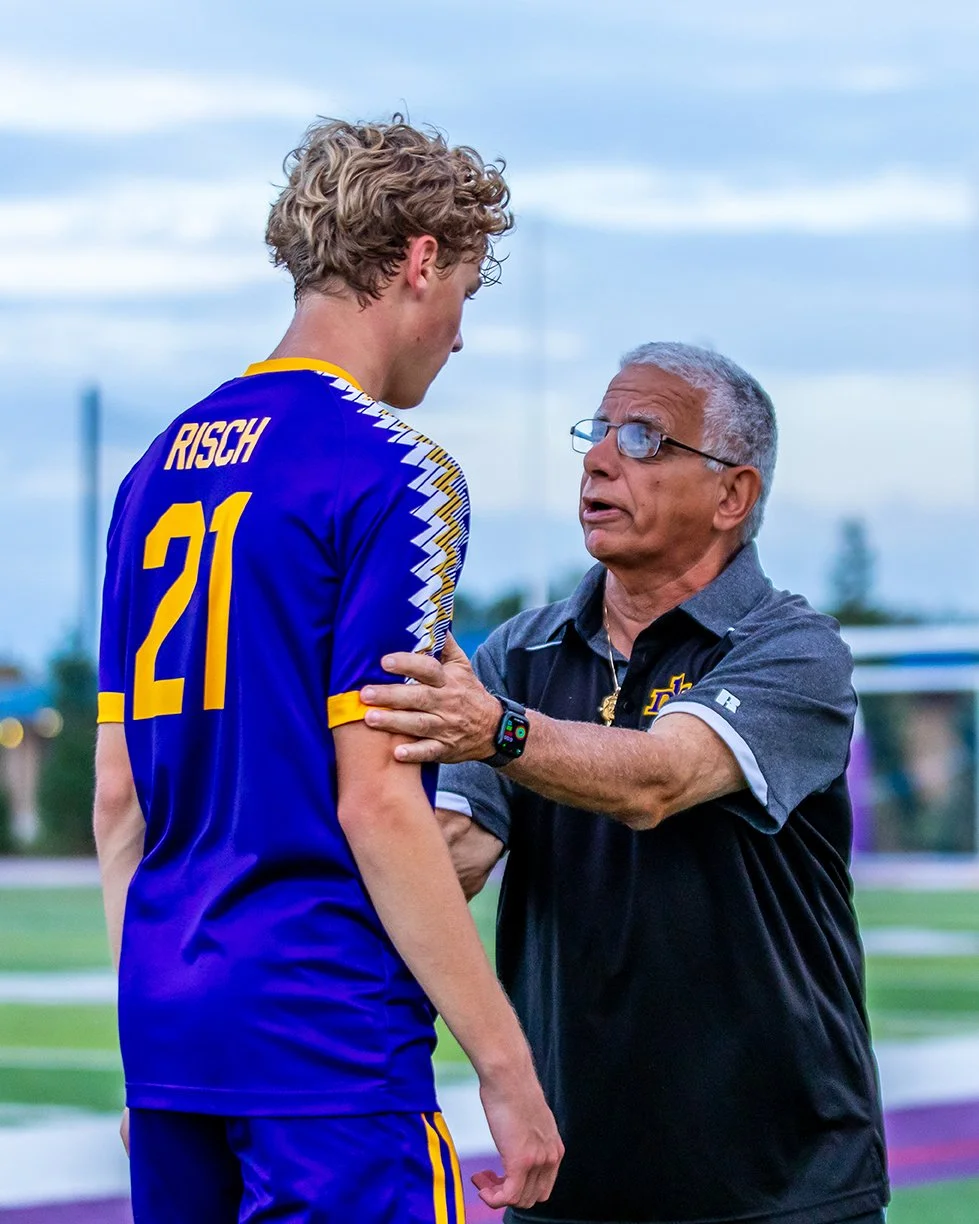
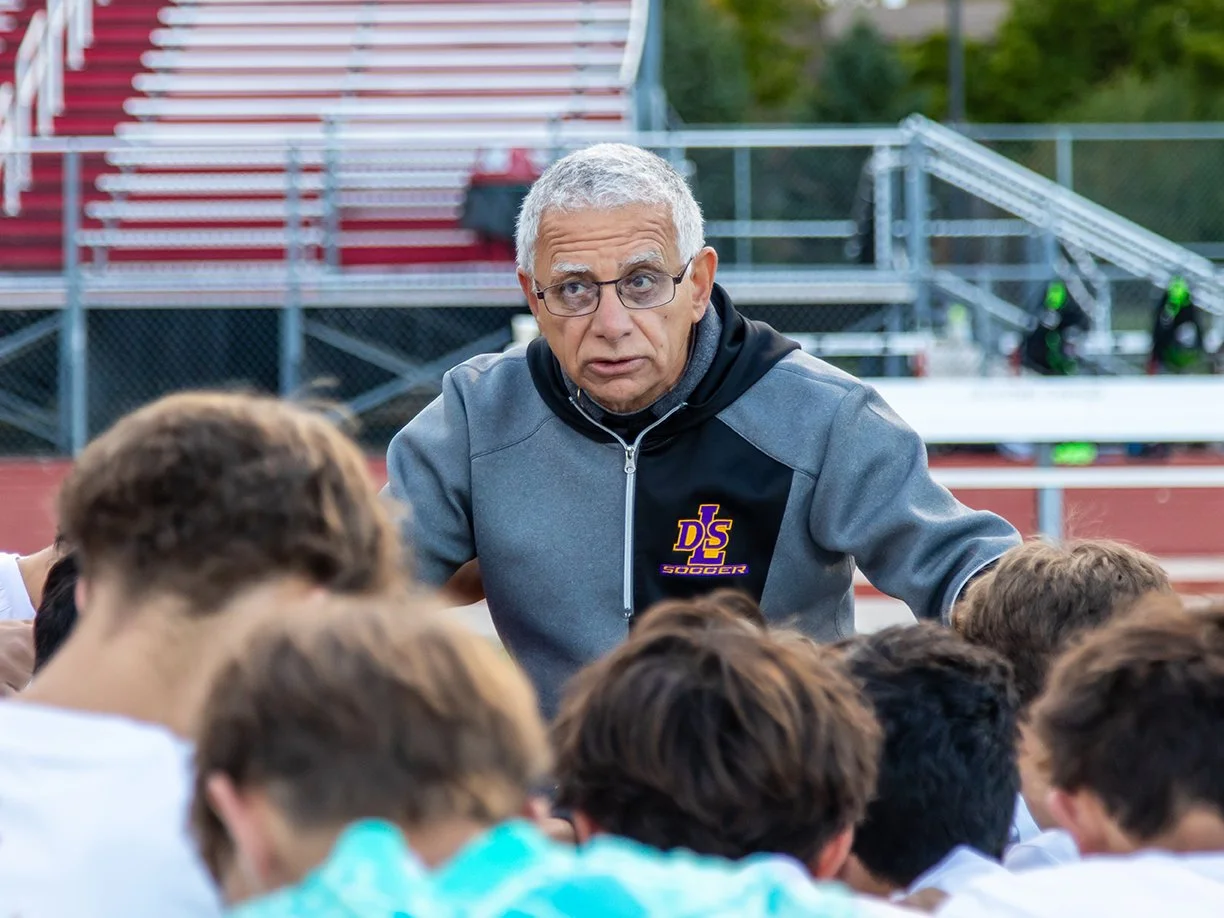
Known for his no-nonsense approach, Mukhtar holds his students and players to firm standards. Deadlines matter. Punctuality matters. Accountability matters.
“In the real world, there are consequences,” he said. “I’m preparing them for that.”
That structure extends into both the classroom and the soccer field. Mukhtar is unapologetically old school. Cell phones are not allowed.
“I don’t allow phones in class or on the field,” he said. “I’m not a big tech guy. I don’t even have Facebook. I’m still on MySpace. No one talks to me anymore,” he added with a laugh.
But those who know him best say his discipline is always balanced by care.
“The kids accept the hard rules because they know I care about them,” Mukhtar said. “That’s the key.” His advice to young teachers and coaches is simple: students will accept discipline if they know you love them.
Mukhtar insists teaching is the best job in the world—even if, as he jokes, it’s not the most lucrative.
“You’re never going to get rich being a teacher,” he said. “If I wasn’t teaching, I’d probably own four or five gas stations.”
Before finding his calling, Mukhtar actually owned a party store and a video store. He shares those experiences—and his missteps—with students as part of his philosophy of honesty.
He often tells them how his own academic struggles shaped his path.
“I didn’t get into the first college I wanted because I didn’t have the grades,” he said. “I sat in a chair at Warren Mott and got passing grades because I showed up every day.”
The only accolades he received in school, he tells them, were for perfect attendance.
That story is central to his emphasis on academics. Mukhtar regularly explains to players why grades matter just as much as goals.
“If you have a higher GPA, you’re more attractive to colleges,” he said. “They don’t have to spend as much money if there’s an academic scholarship along with an athletic one.”
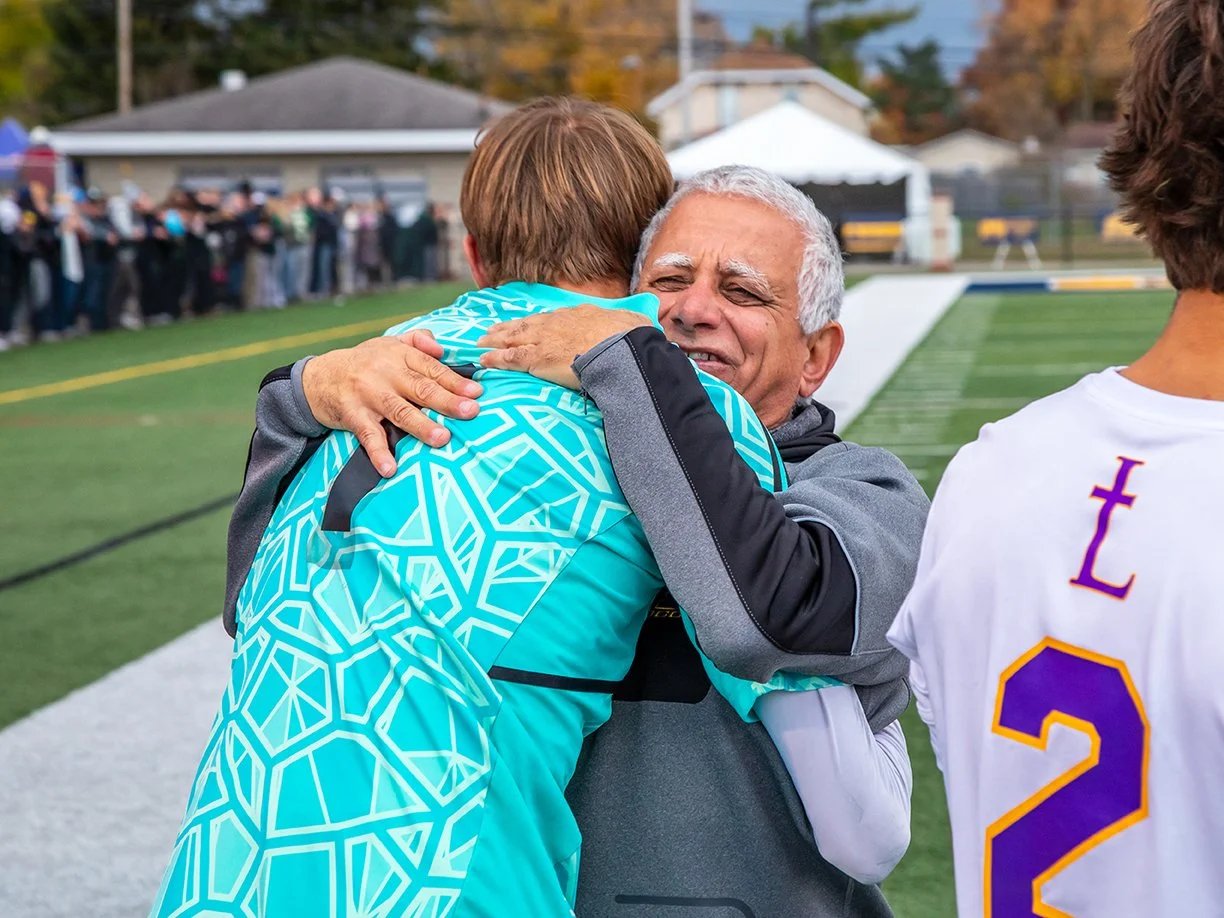
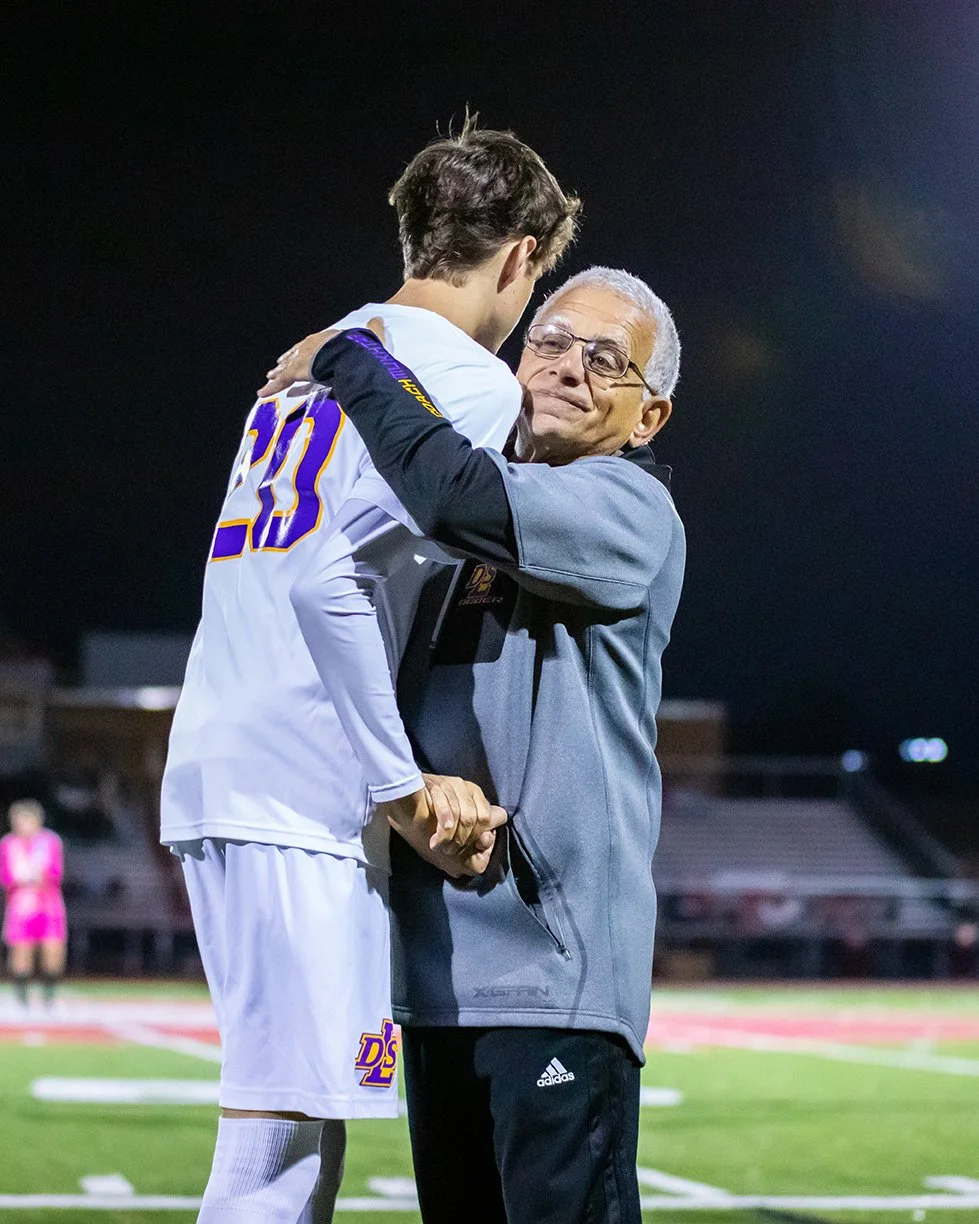
That transparency has helped foster lifelong relationships. Former players stay in touch for decades, return to campus to visit, and invite Mukhtar to weddings and major life milestones.
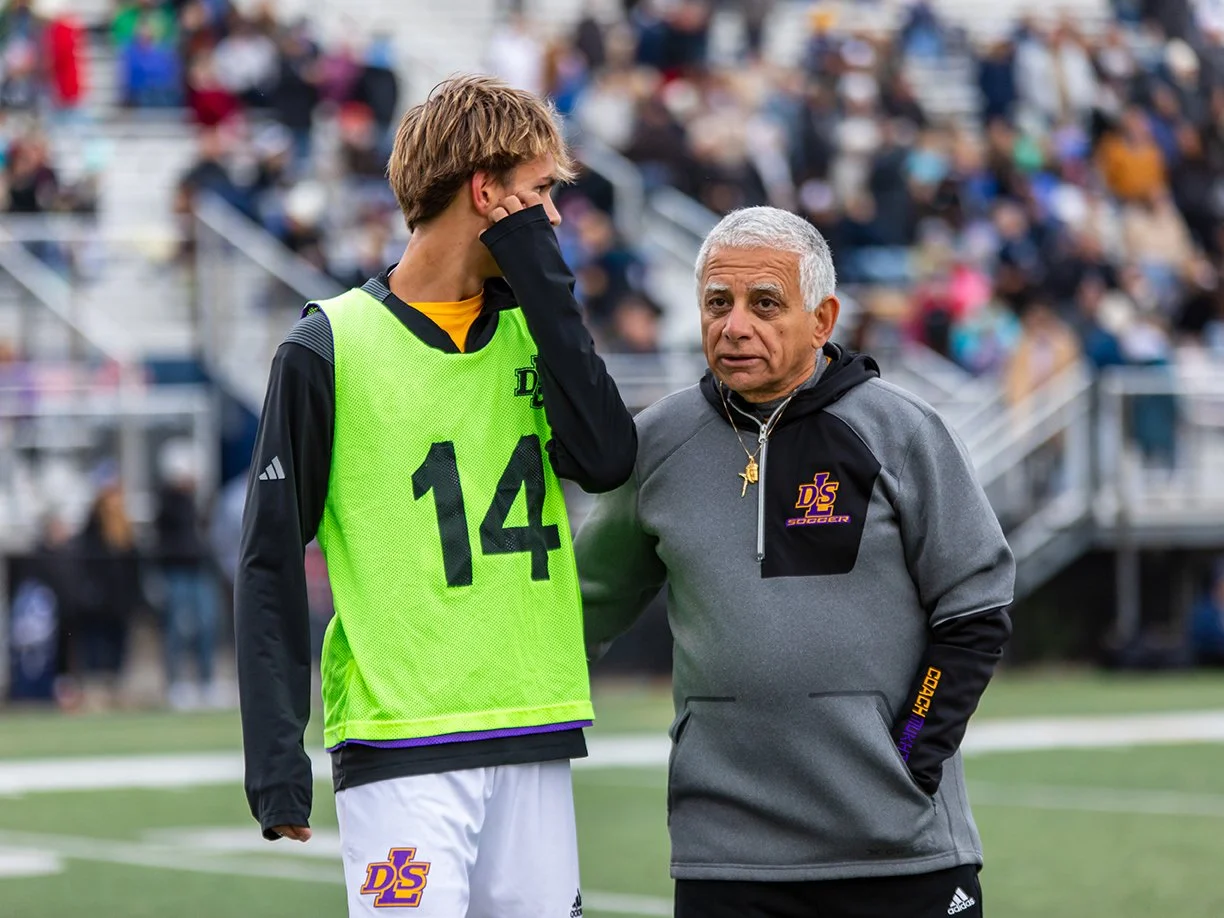
“Our motto is ‘Builders of Boys, Makers of Men,’” he said. “I’m teaching them things to make them better people.”
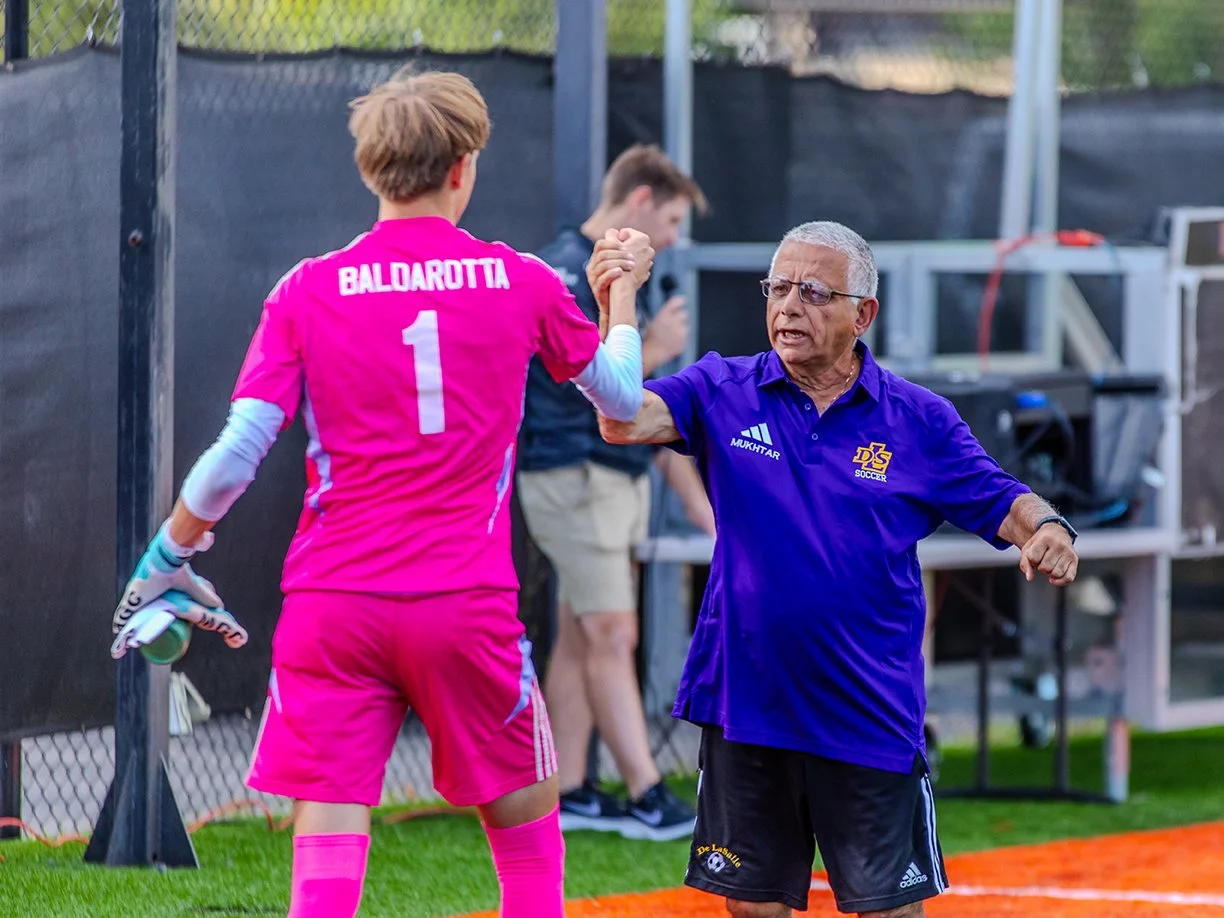
One former player from the 1990s, Mike Baldarotta, now has two sons playing for De La Salle. He remembers Mukhtar as demanding—but transformative.
“He was tough on me, but it was totally worth it,” Baldarotta said. “He’s the only coach I ever had that I still call ‘Coach.’ We all do.”
Man of the Year
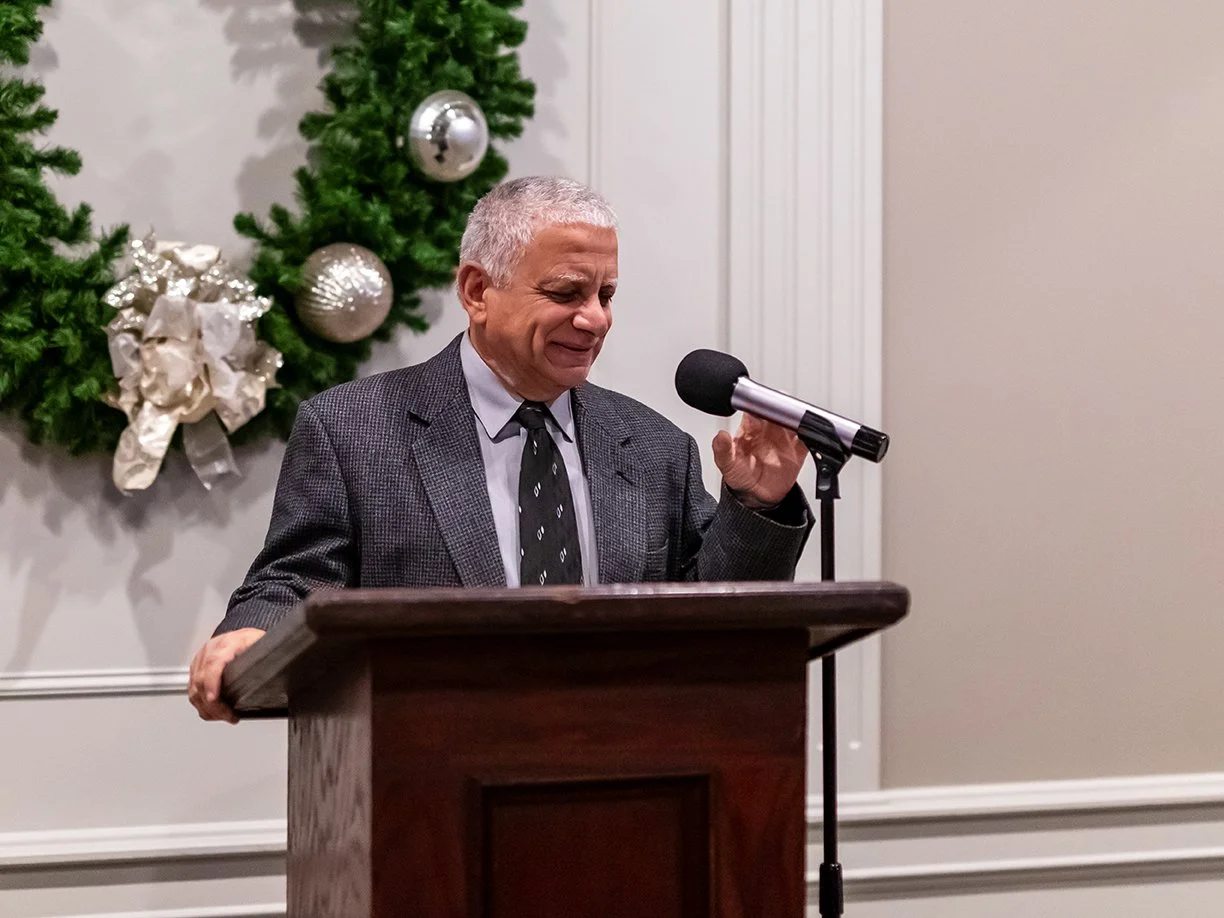
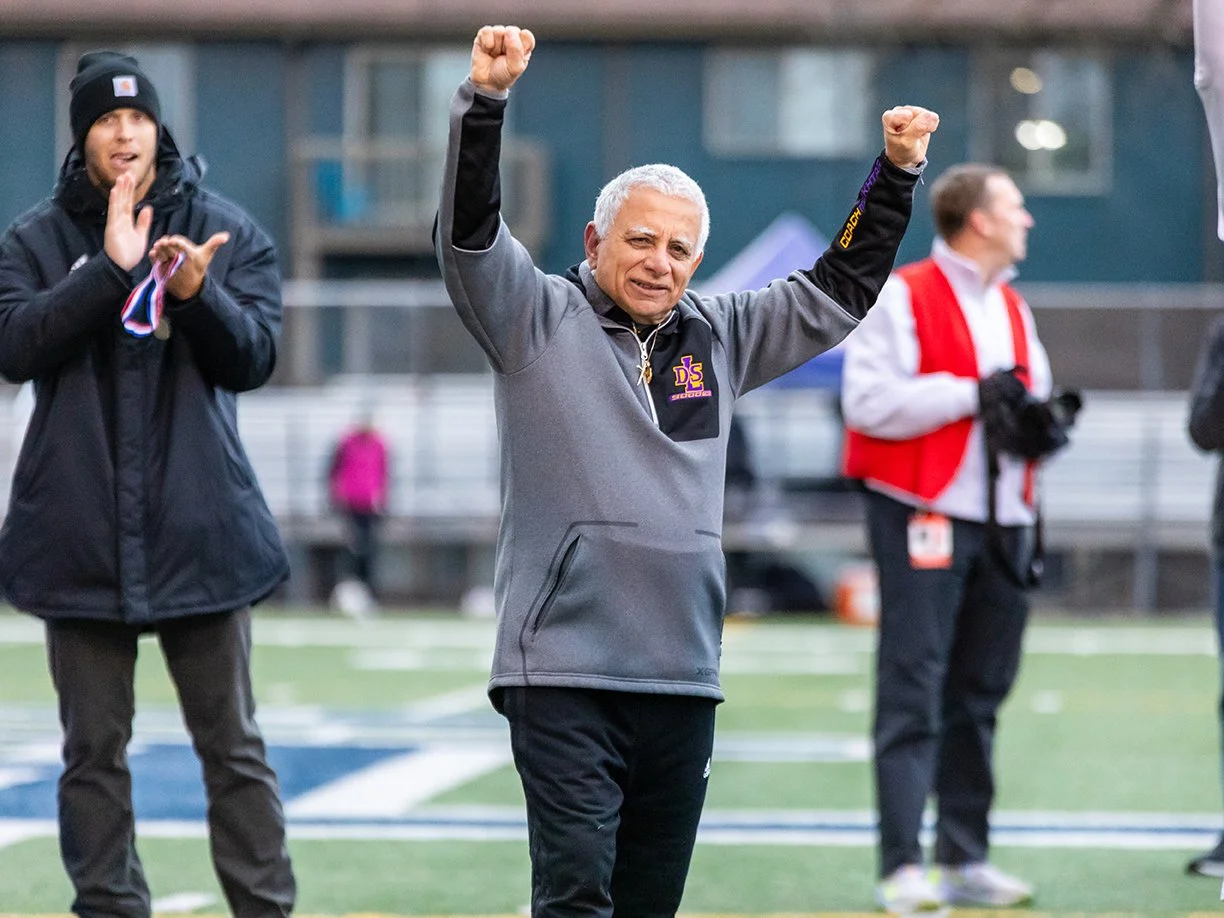
In 2025, De La Salle honored Mukhtar as Man of the Year. More than 850 people attended the event—many of them former students and athletes—making it one of the school’s most successful fundraisers.
“That night was overwhelming,” Mukhtar said. “It reminded me why I do this.”
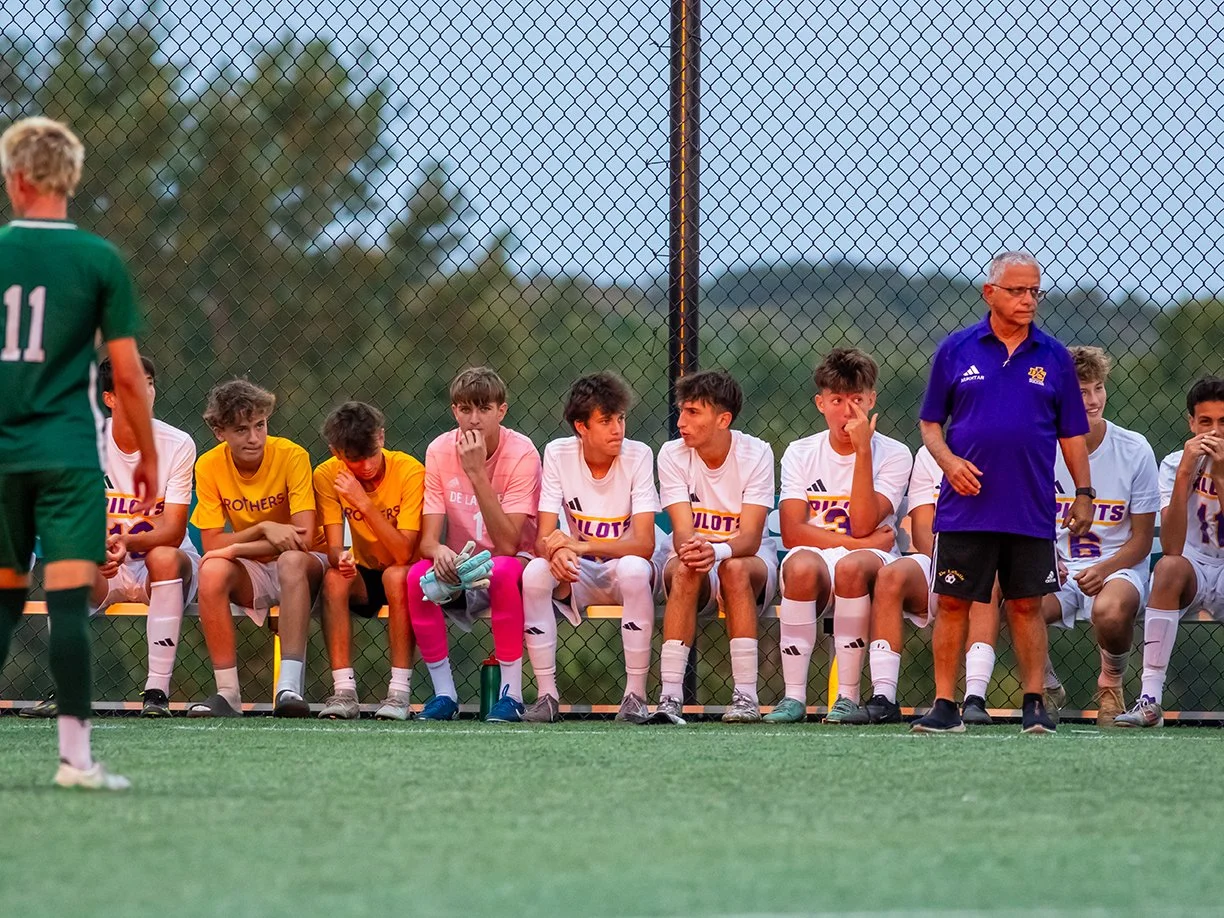
Mukhtar’s teams are known for disciplined play, strong conditioning, and a selfless, possession-based style built around teamwork rather than individual stars.
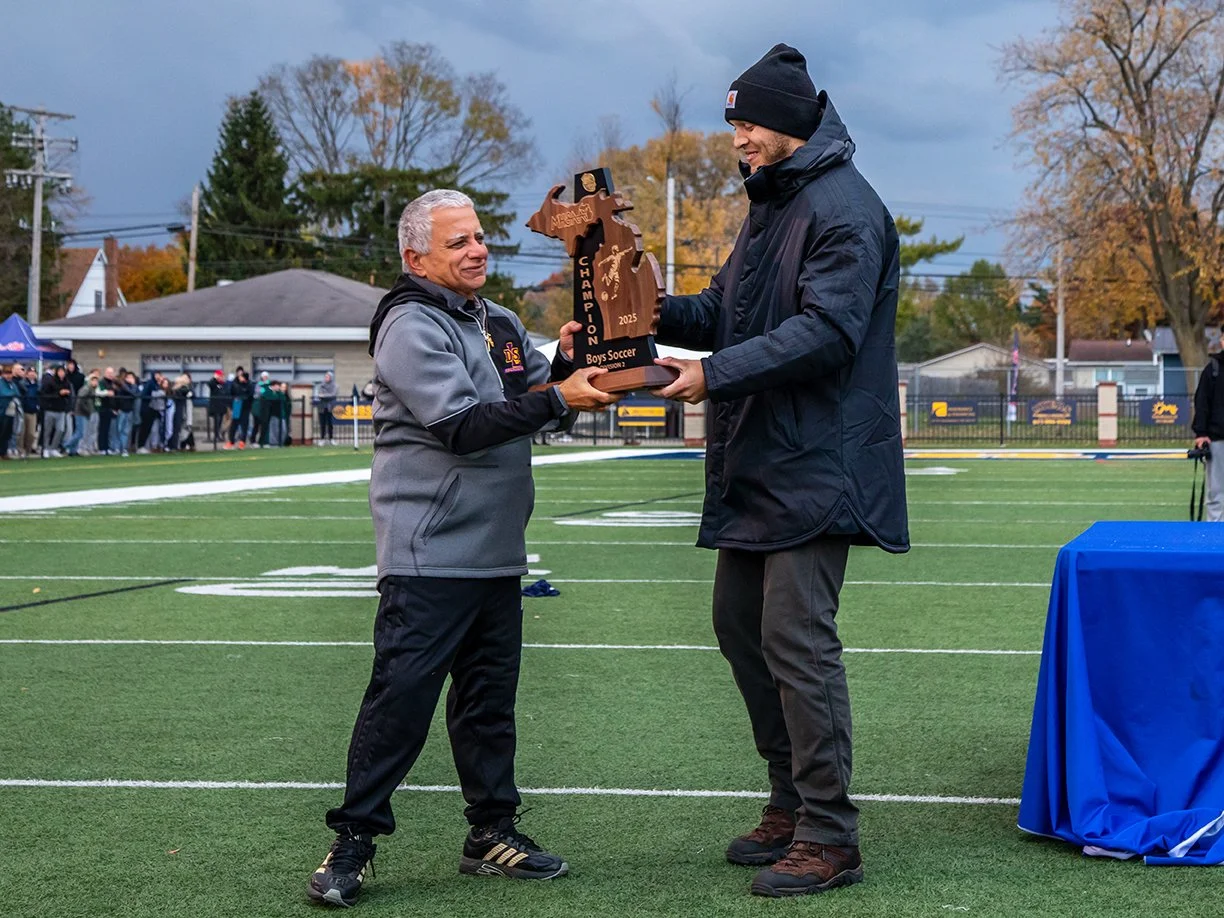
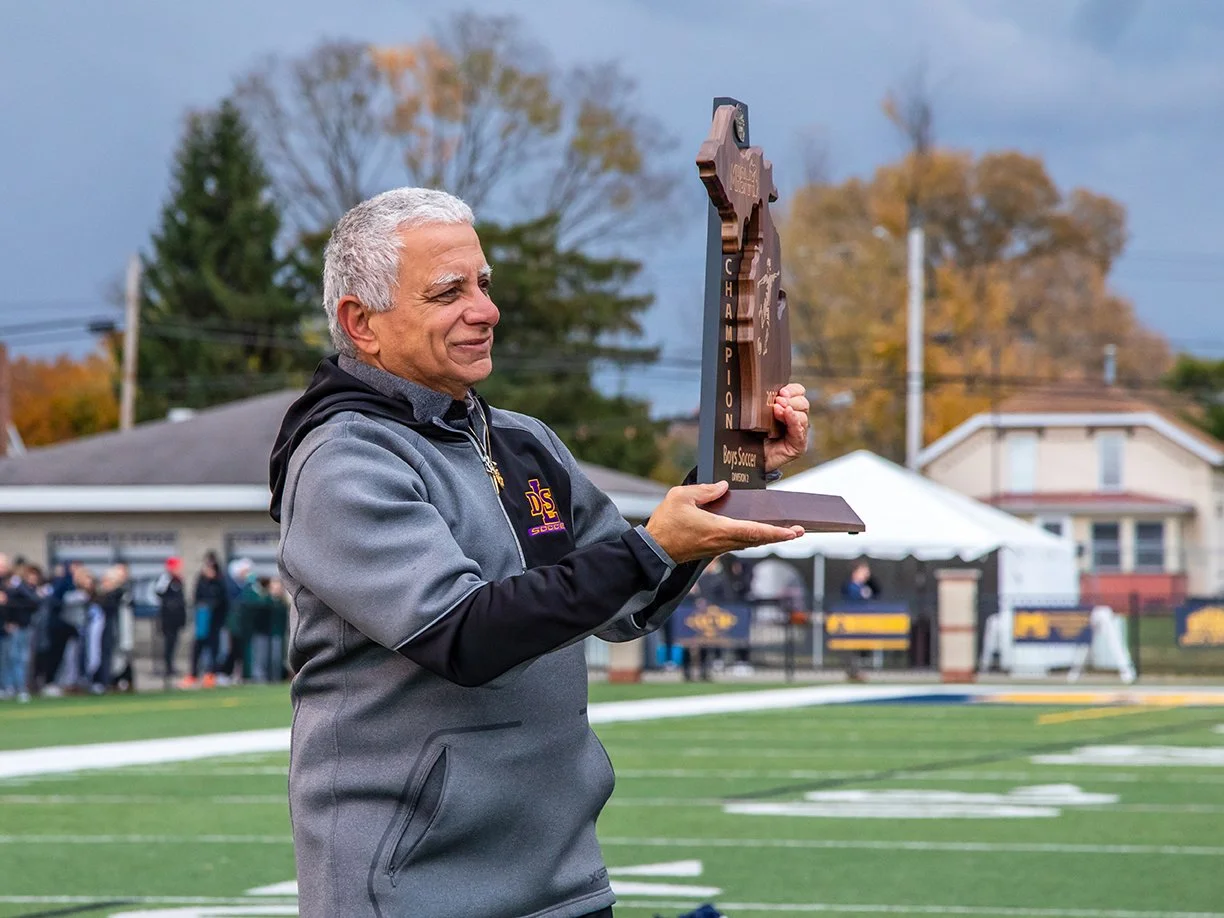
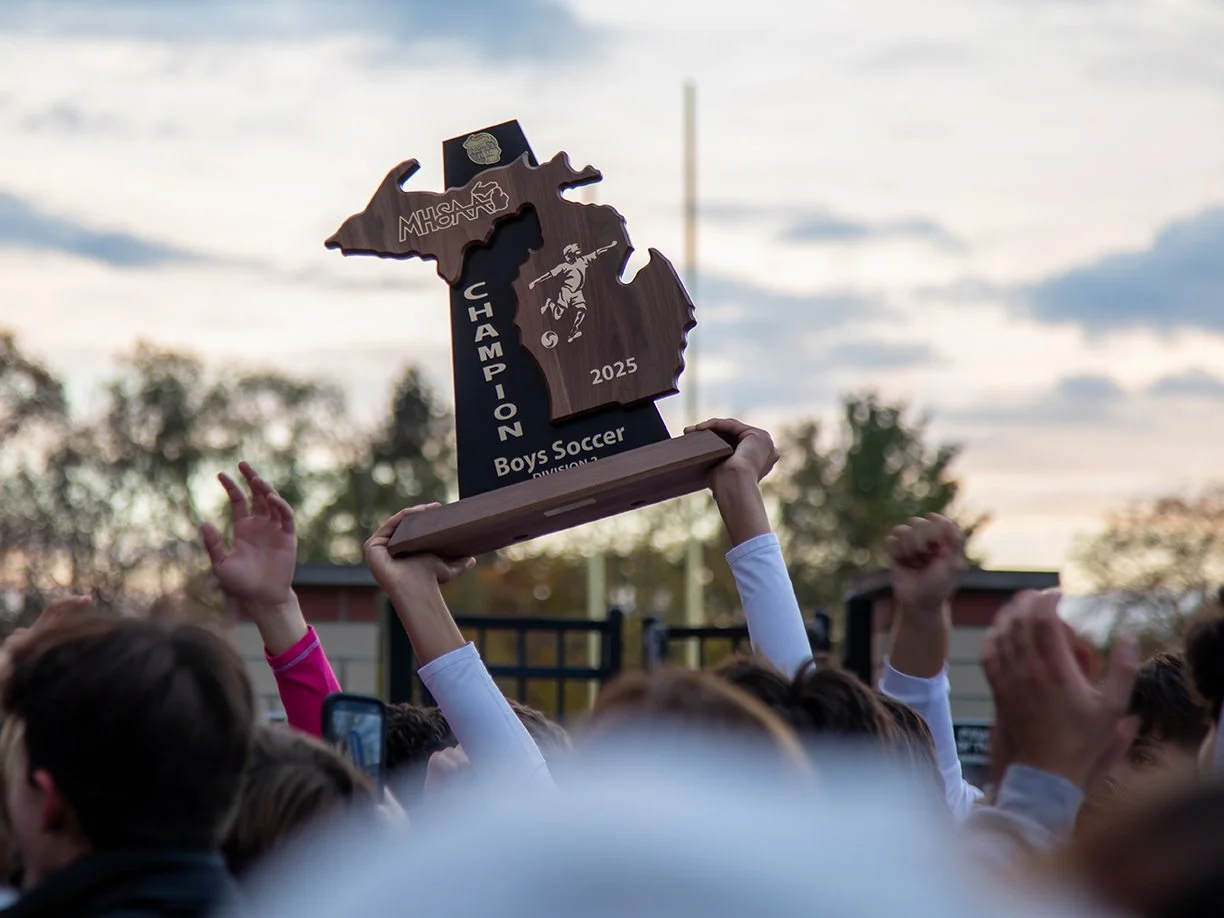
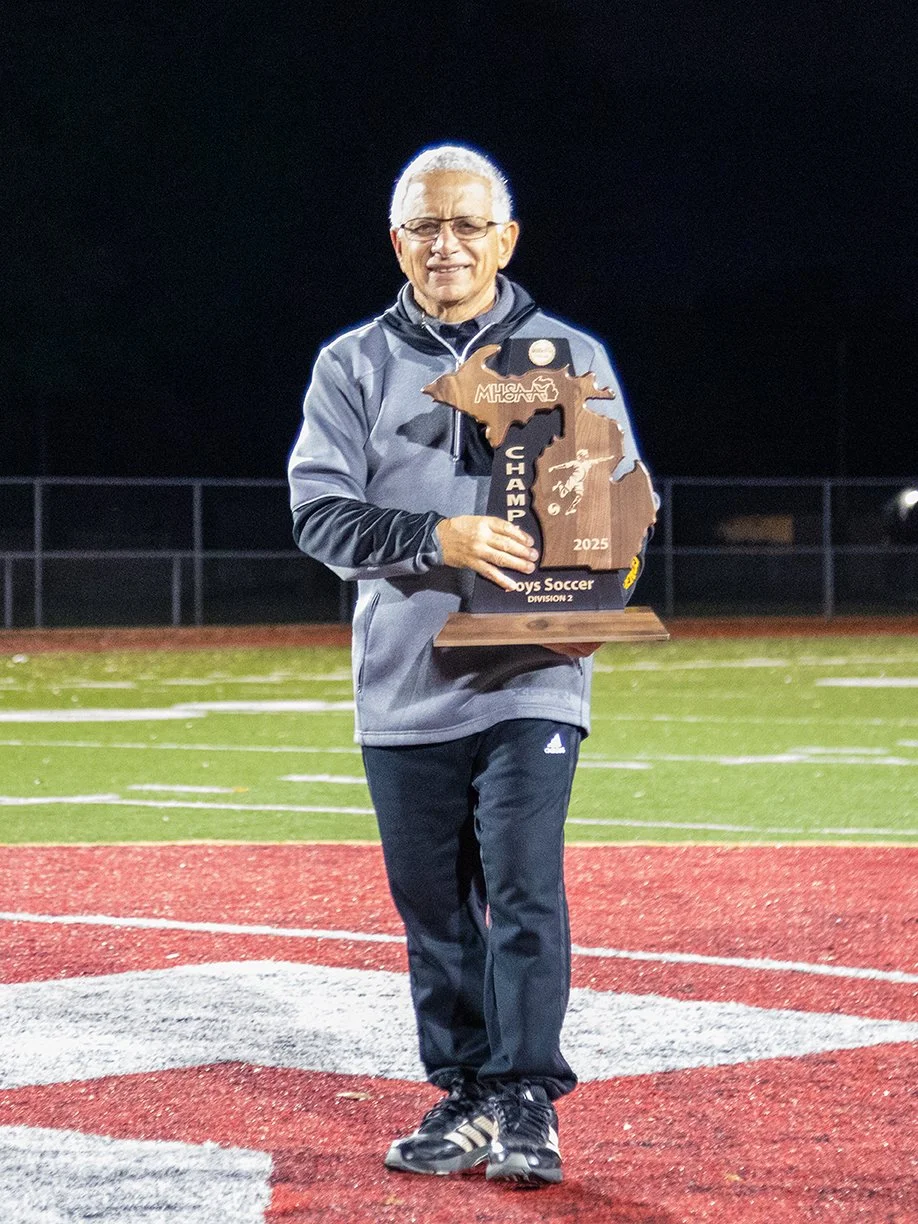
“We have to move the ball better than anyone else to win,” he said. “That’s how we won the state championship last year, and that’s how we won it again this year.”
In 2024 and 2025, De La Salle captured back-to-back state championships, earning praise not only for performance, but also for sportsmanship.
Still, Mukhtar insists wins are secondary.
“The lessons are bigger than soccer,” he said. “This is about life.”
He admits he doesn’t know his exact career statistics—only that he’s a handful of wins away from 900, a number he tracks mainly because he has to update his summer camp brochure each year. What he does know is that he has sent well over 100 players on to compete at the college level.
Each season ends the same way.
“At the end of the year, I sit down one-on-one with every returning player,” Mukhtar said. “We talk about what they need to improve, and what they liked and didn’t like.”
Beyond one- and two-touch soccer, players learn teamwork, resilience, humility, and how to handle adversity—skills Mukhtar believes matter just as much off the field as on it.
Pride in Faith and Chaldean Identity
Born in Baghdad and raised in a Chaldean household after immigrating to the United States at age six, Mukhtar openly shares his background with his students.
“I don’t just say I’m Middle Eastern,” he said. “I say I’m Chaldean.”
He is candid with his students. On one occasion, when a cousin stopped by his classroom, Mukhtar greeted him with a kiss. “I tell them that’s how we do things,” he said. “We respect each other. Even if my dad is 100 percent wrong, I would never talk back to my dad. If my uncle was 100 percent wrong, I would never talk back to my uncle.”
He often speaks about faith, respect for elders, and the work ethic instilled by immigrant parents—values that continue to guide his approach to education and leadership.
“My parents taught me not to make excuses,” he said. “You work for what you want.”
Mukhtar is clear about how he wants his story told.
“I don’t want people talking about championships,” he said. “I want them to say I believed in them.”
Years after graduation, former players still recall the demanding practices, the discipline they once resisted, and the expectations that pushed them beyond what they thought possible.
Those lessons, Mukhtar says, are the real victories.
“For me, it’s always been about helping young men become strong, confident, and grounded,” he said. “If I did that, then I did my job.”