Words Without a Backspace
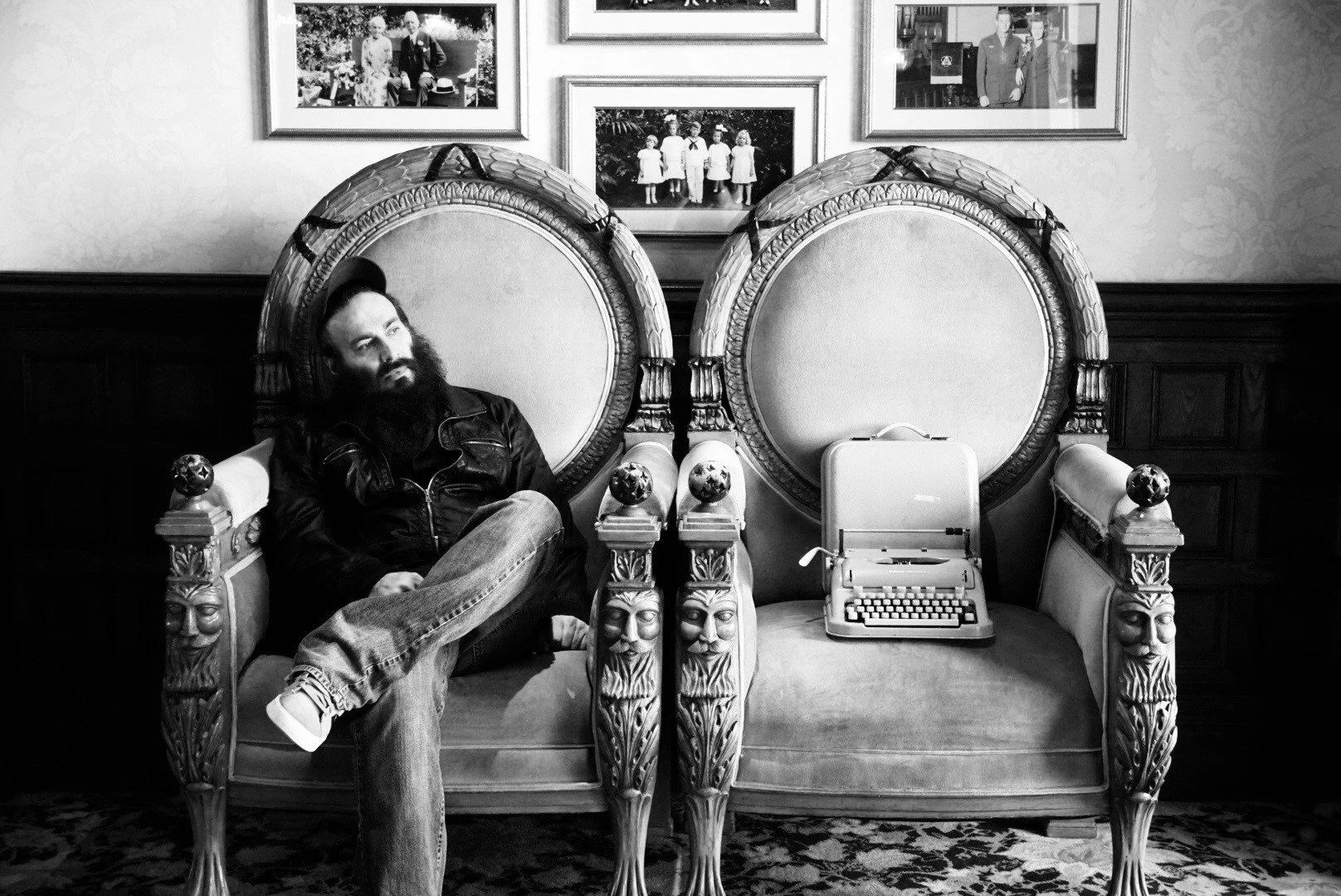
The singular poetry of Fadi Y. Sitto
By Sarah Kittle
When couples tie the knot, they hope their day will be unforgettable. Fadi Y. Sitto ensures it is. Using a typewriter, Sitto listens to wedding guests and newlyweds alike, translating conversation, laughter, and quiet glances into live, spontaneous poetry.
Sitto wasn’t always a traveling poet. When he finally listened to the pull of his heart, the shift was immediate and irreversible. He stopped writing press releases and magazine articles and chose the more uncertain path of poetry—not as a hobby, but as a calling. “It didn’t make my heart pump out of my chest,” he says of his former work. Poetry did.
Today, Sitto is a best-selling Chaldean American poet, an Arizona Poet Laureate nominee (2019), and one of only seven poets in history to have a poem recited in outer space. For Sitto, it was a moment that fused the deeply human with the cosmic, a theme that has quietly defined his life’s work.
Sitto grew up in Detroit, a place he still speaks of with warmth and reverence. Though his family moved away when he was a teenager, he says the city and its Chaldean community are still a big part of who he is. “Detroit and my community back there have never left me,” he says. That sense of collective memory—of history carried in the blood—continues to inform his writing.
After years of travel and freelance writing, Sitto eventually settled in Arizona. Yet even then, something was missing. He was writing constantly, but without purpose. “If I wasn’t writing, I didn’t feel right,” he says. “It was almost like breathing—I had to do it.” What he didn’t yet know was how that compulsion would evolve into a livelihood.
The Typewriter Revelation
The turning point came not in a classroom or a publisher’s office, but in a park in Peru. Sitto noticed two elderly men typing letters for passersby on manual typewriters. Tourists lined up, drawn by the nostalgia, the sound, the human connection. “Something about it brought me back,” he says. “The instrument, the clicking, the presence.”
That moment sparked an idea that would define Sitto’s career: live, spontaneous poetry created on a typewriter, one-on-one, in real time.
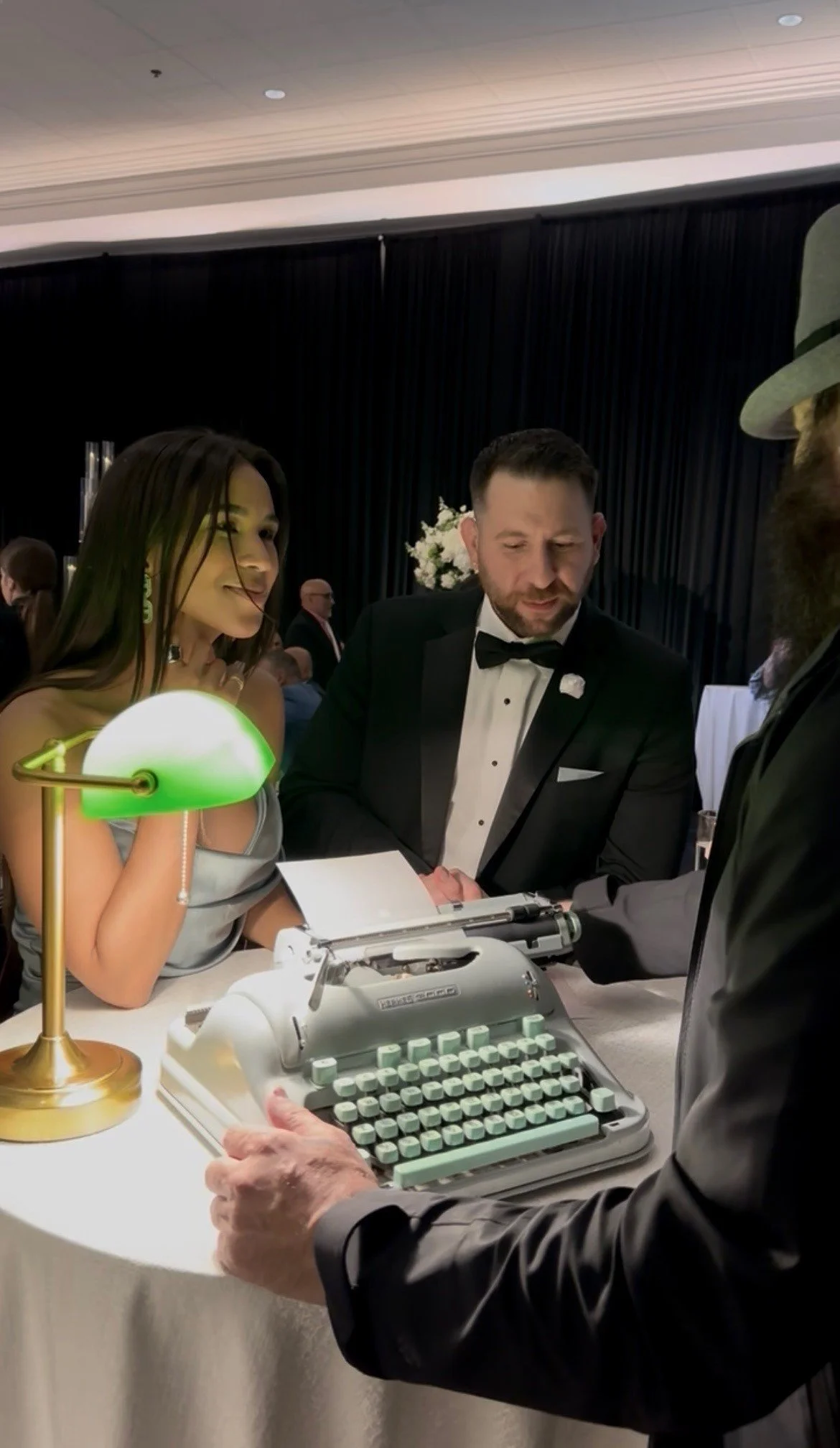
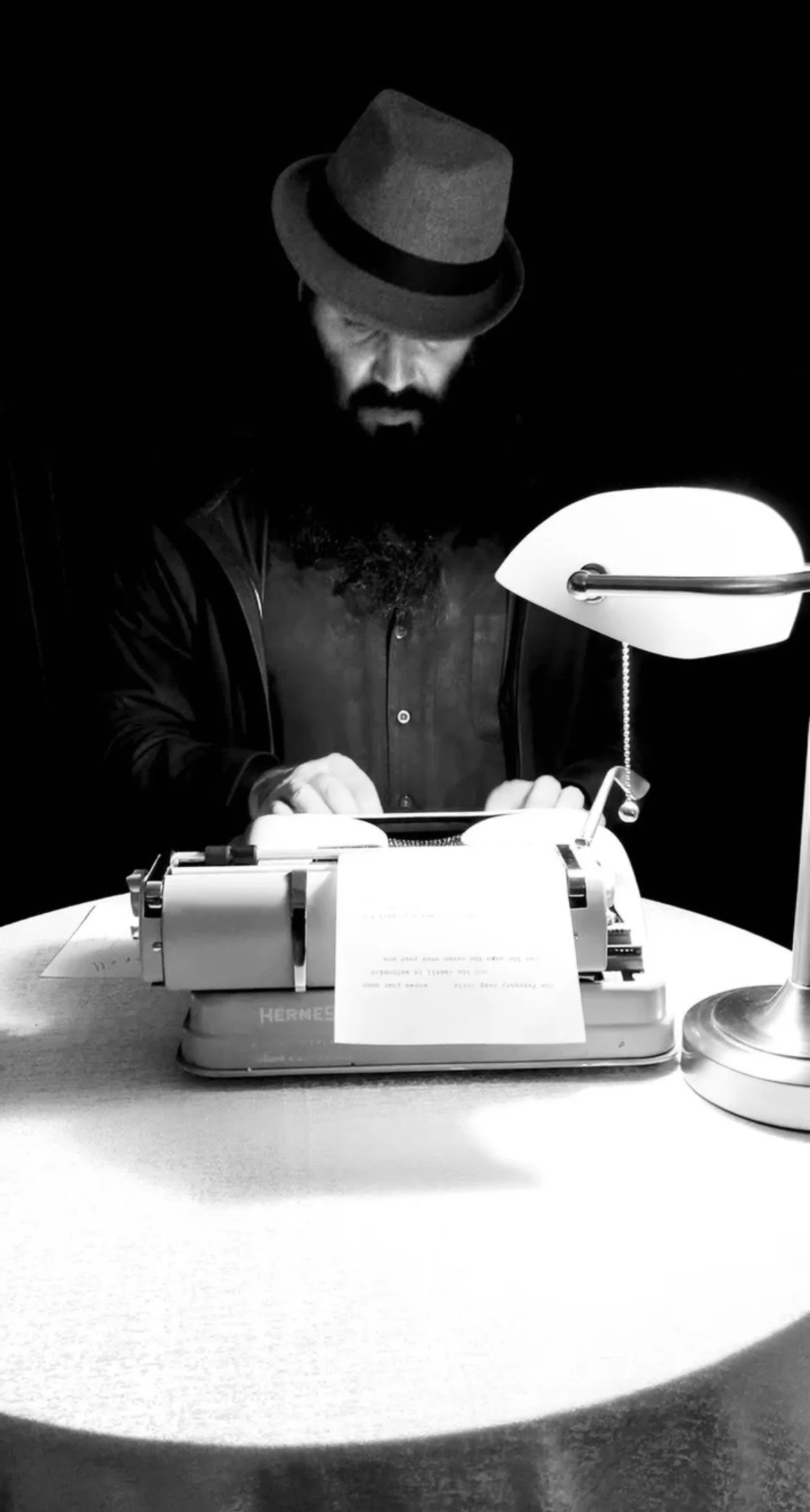
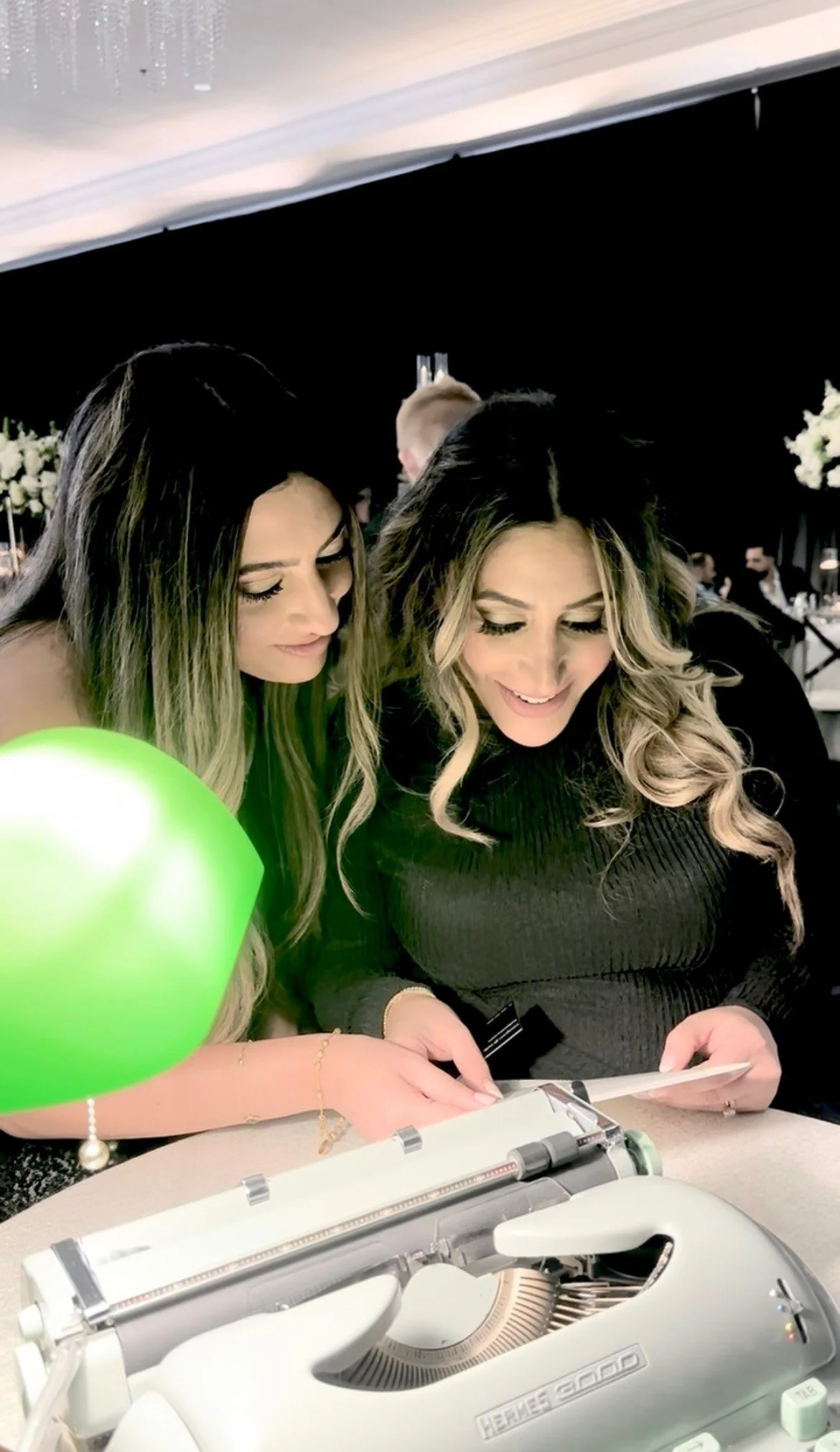
Today, that instrument is most often a rare 1945 mint-green Hermes typewriter. There is no White Out, no second draft—each verse exists only once, making every moment immortal on archival vellum. “There’s no backspace,” he says. “It’s like acting in a play versus filming a movie. What happens, happens.”
Though Sitto does accept commissioned work—everything from love poems to eulogies—he admits he prefers writing for strangers. “It’s a clean slate,” he says. “No bias. I only know your first name.” That blankness is what allows the work to flow without obstruction.
“I never get writer’s block,” he adds. “Because every person is a new beginning.”
His intuition can be uncanny, sometimes unsettling. Guests ask if he’s psychic. He shakes his head. “I’m just paying attention,” he says. “People want to be seen and heard. That’s what I’m really doing.”
That attentiveness led, improbably, to space.
Dr. Sian Proctor first encountered Sitto at an event, where he had written a poem for her friend. After being selected as pilot for the Inspiration4 mission, Proctor commissioned Sitto to write a poem she could carry with her into orbit.
In September 2021, as Earth drifted silently below, Proctor recited Sitto’s words aloud in space. With that moment, Sitto became the first Chaldean—and one of only seven poets in history—to have a poem escape Earth’s boundaries.
“It’s my biggest claim to fame,” he says, smiling. “And I don’t take it lightly.”
Poetry at Weddings
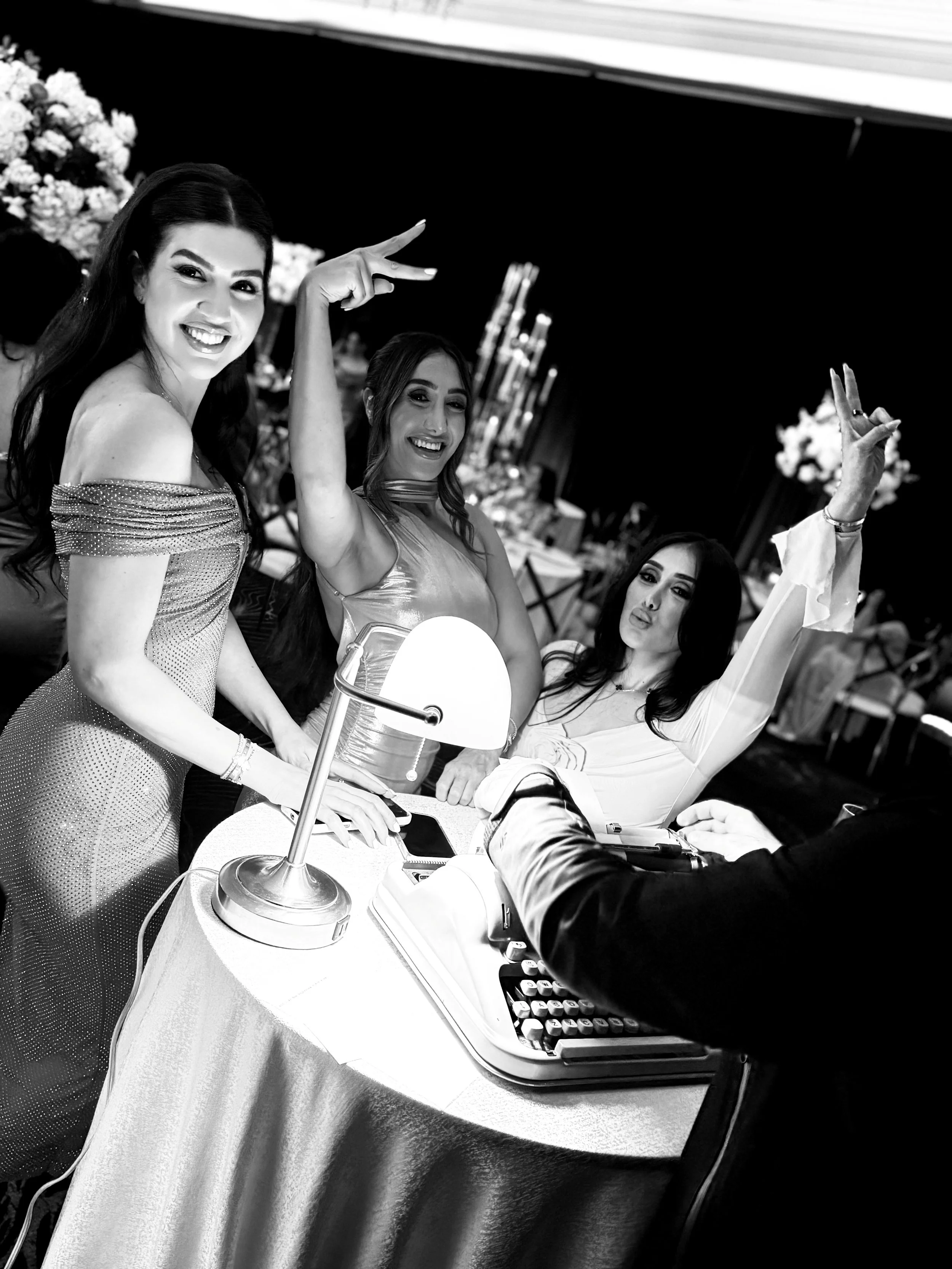
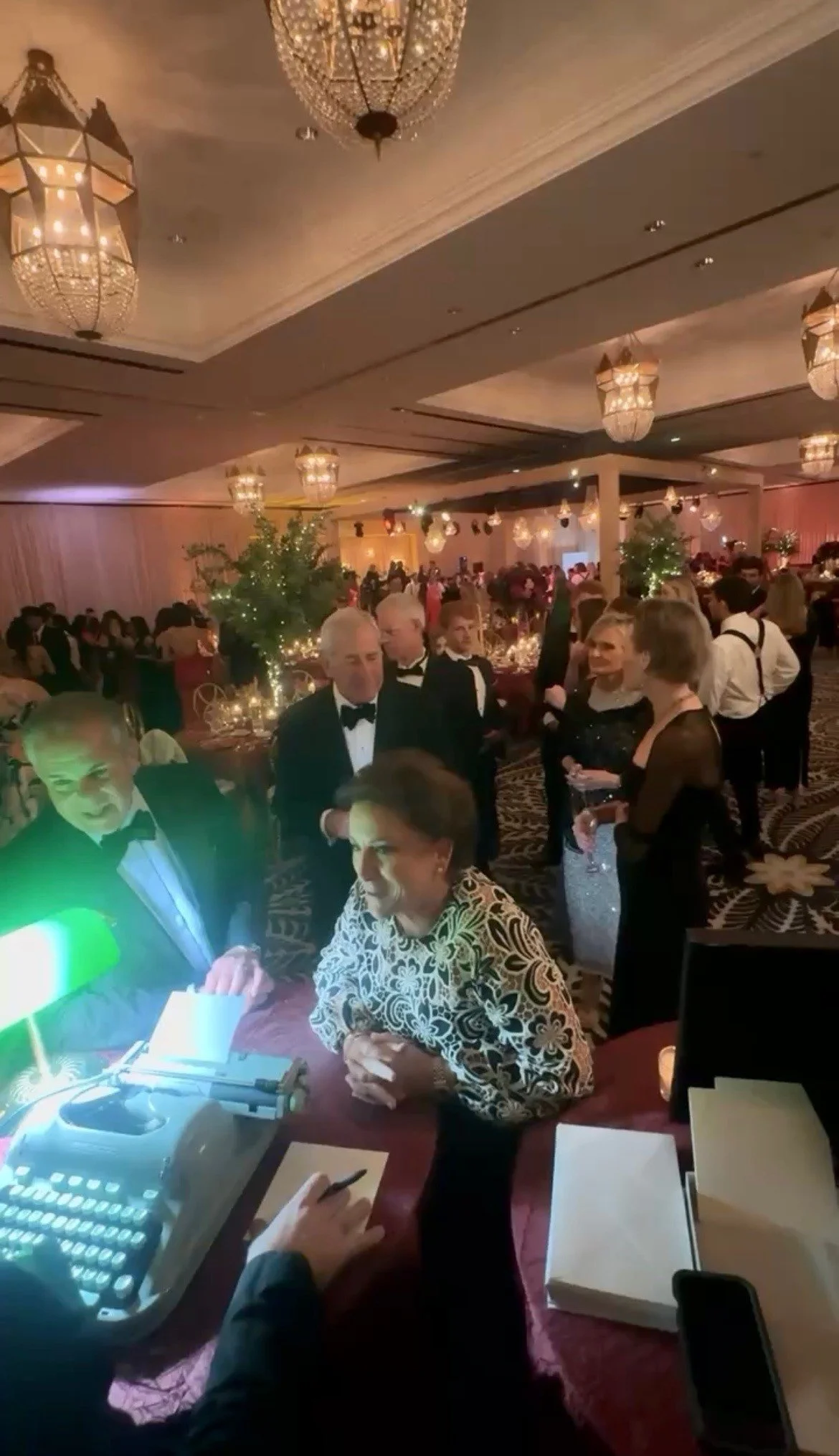
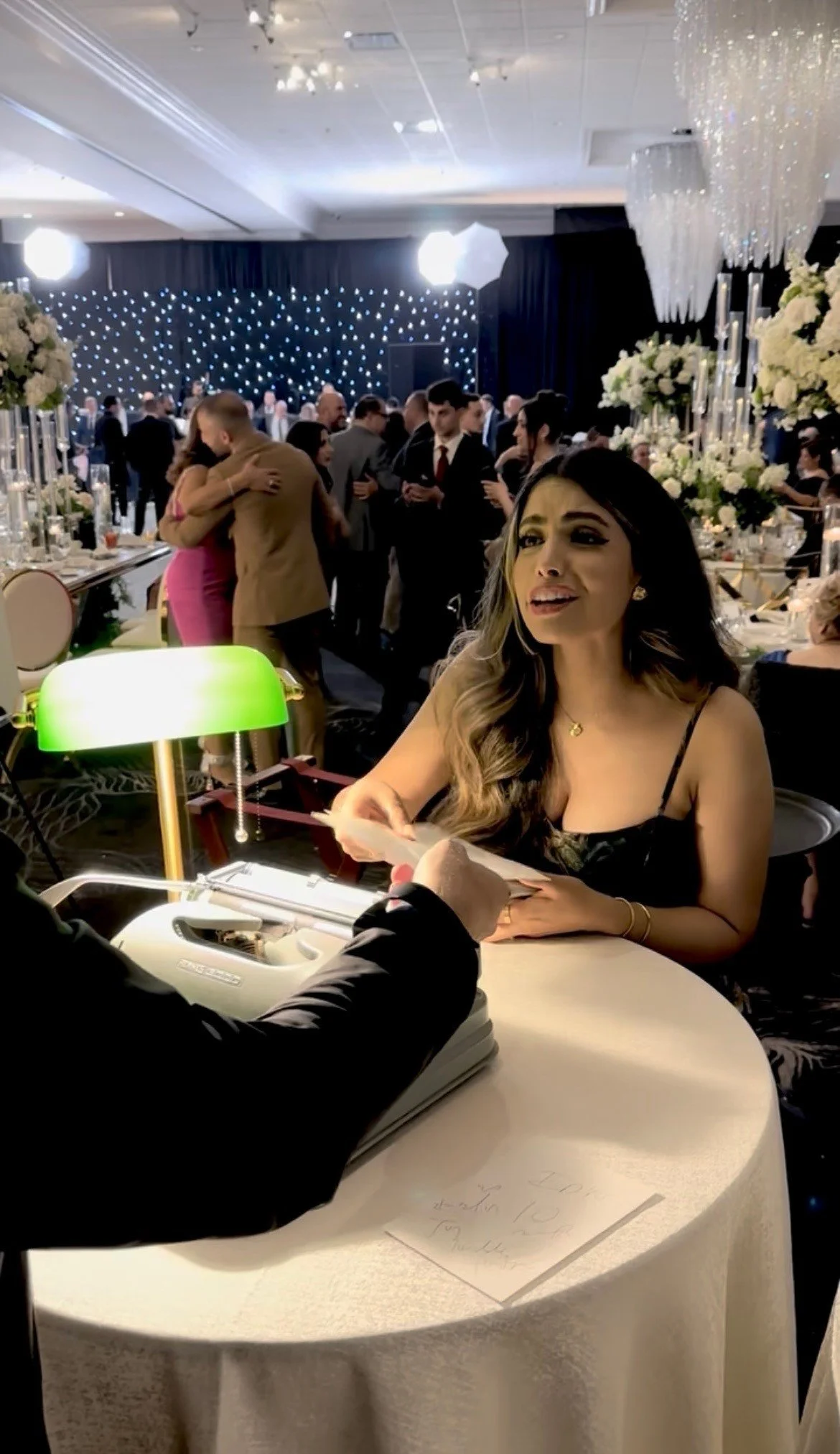
Sitto’s work has found a natural home at weddings, where about 80 percent of his bookings occur. Couples, their families, and guests approach his high-top typewriter table, often waiting for hours. Each interaction begins with casual conversation that deepens quickly, as Sitto listens to stories, observes body language, and asks questions that uncover love, humor, and humanity.
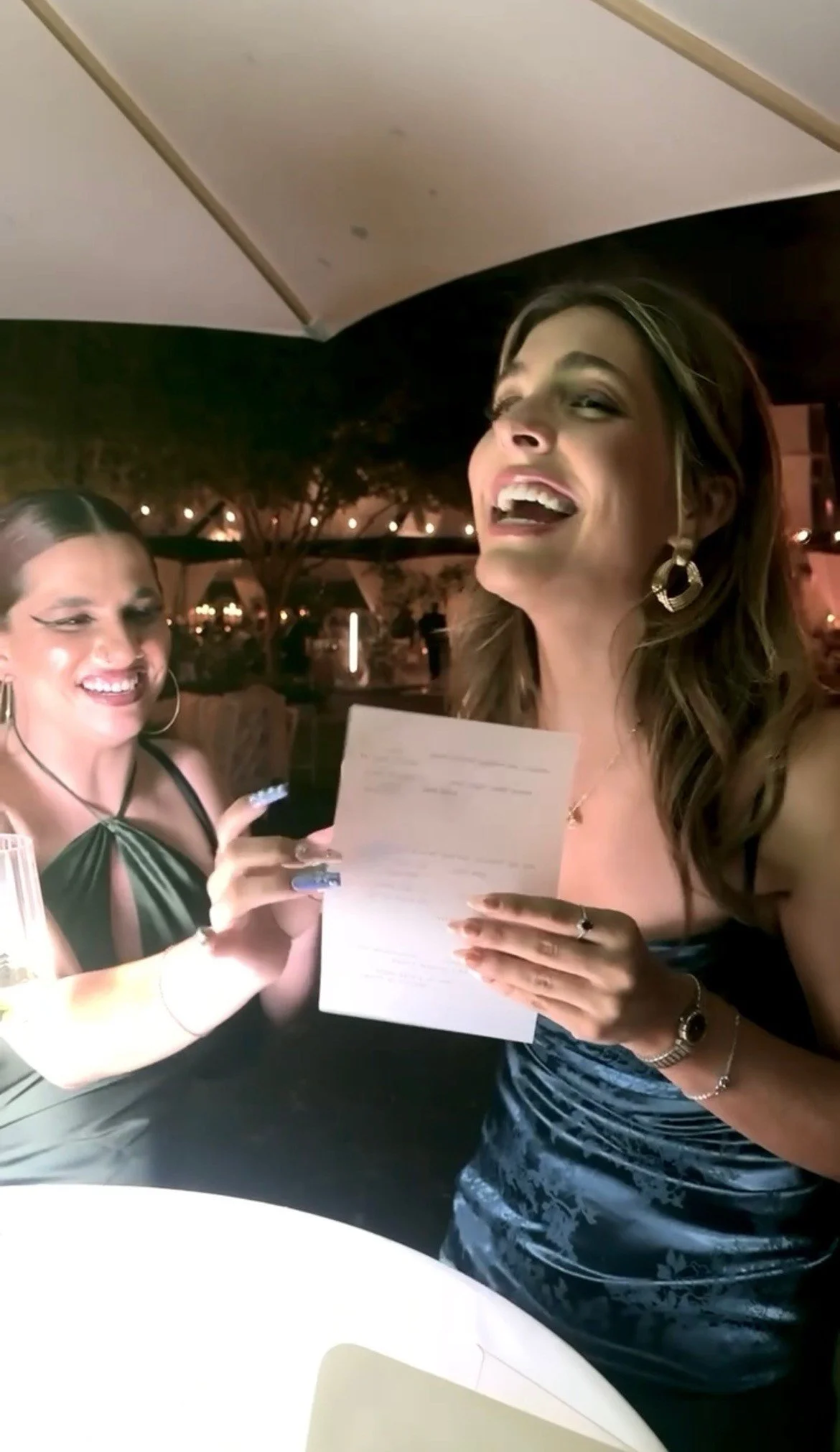
“I give what I call an honest, intuitive appraisal of your vibe through verse,” he says. As he types, a poem takes shape in three to five minutes, typically 12 to 18 lines. Guests do not watch him type; they wait until the final lines appear, and the poem is theirs to take home.
“It doesn’t belong to me,” he says. “It’s theirs.”
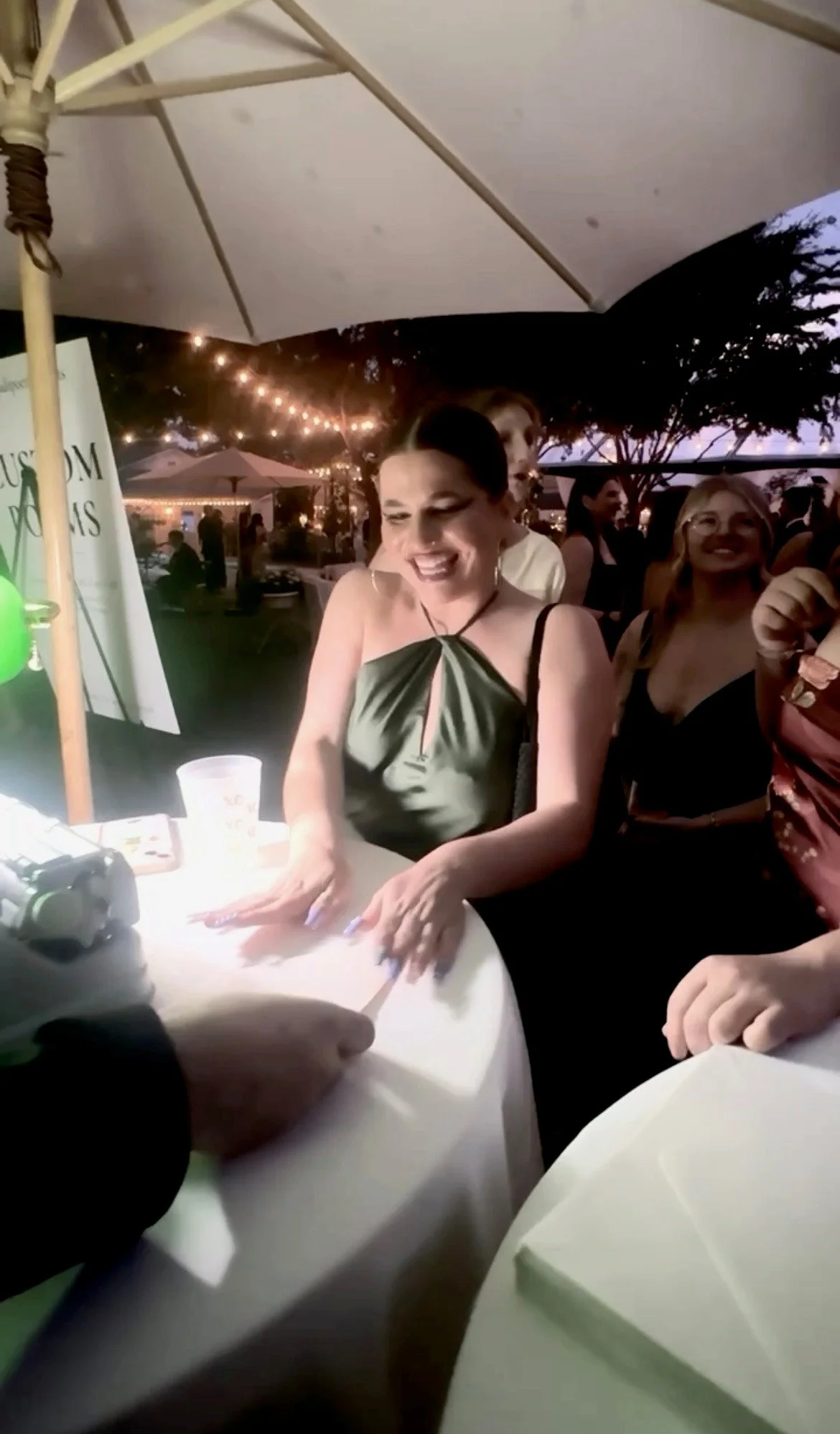
The reactions are often emotional—tears, laughter, hugs, and long-lasting memories. Some couples frame their poems, and one guest even told Sitto she planned to be buried with hers. Weddings, in particular, allow him to capture moments of vulnerability and joy, producing poetry that is as unique as the couples themselves.
In 2026, weddings are increasingly focused on personalization and immersive guest experiences. Couples want their celebrations to feel intimate, unique, and memorable, with experiences that go beyond décor, music, or traditional rituals. Sitto’s live typewriter poetry fits perfectly into this trend, turning guests into participants and giving everyone at the wedding a personalized keepsake to treasure. Each poem is not just a verse—it’s a record of connection, emotion, and shared stories that become part of the couple’s day forever.
Sitto’s presence elevates the wedding from a series of staged moments to a curated journey of meaningful interaction. Guests laugh, cry, and embrace while receiving a poem that reflects the authentic spirit of the couple and the community gathered around them. In an era when couples seek celebrations that stand out, Sitto’s work offers originality, intimacy, and a deeply personal form of art that leaves a lasting impression on every attendee.
Despite the crowds, the work remains deeply personal. Before each event, Sitto isolates himself, clearing his mind through silence, prayer, and visualization. Rooted in both his Chaldean Catholic upbringing and the spiritual practices he encountered abroad, the ritual prepares him to be fully present.
“I want to be clear,” he says. “Open to receive.”
That openness is what makes the experience feel less like entertainment and more like communion—a rare pause in a distracted world, captured forever on archival vellum paper.
“Poetry is a lost art,” Sitto says. “But people are craving it. They’re craving connection.”
And with each click of his typewriter, Fadi Y. Sitto answers that craving—one unique poem at a time.
Fadi travels outside his state, including to Michigan, for weddings and events. To enlist Fadi’s services, find him on Instagram @fadipoetryevents, visit his website at fadipoetry.com, call 480-323-9158, or email info@fadipoetry.com.