
The Story We Carry Forward
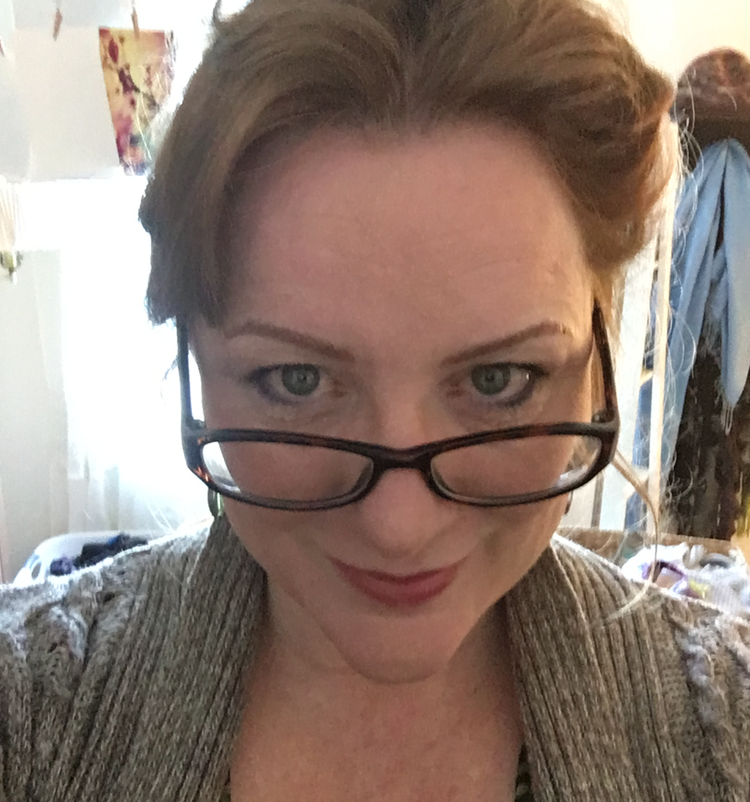
Sarah Kittle
This month’s issue explores a question that sits at the heart of every community story we tell: How do we carry the Chaldean story forward?
Sometimes that question appears in big conversations, like immigration, where policies and legal definitions can shape real lives in lasting ways. When we talk about whether a misdemeanor should be grounds for removal, we are not just debating law. We are talking about families, second chances, and what fairness looks like in practice.
Other times, identity shows up in quieter places.
The Mar Ibrahim Library reveals to us that history is not something distant, but something actively being taught. The new Church of the East history lessons are a reminder that heritage does not survive by accident. Someone has to teach it. Someone has to ask questions. Someone has to care enough to preserve it.
The opening of the Mar Ibrahim Library to the public represents more than access to books. It reflects a commitment to safeguarding heritage and ensuring that the next generation understands the story it inherits. That same commitment lives in the growing interest in Iraqi-dialect Arabic classes, where the discussion is not simply about vocabulary, but about nuance, belonging, and the emotional weight a dialect carries.
Memory also shapes this issue in more solemn ways. The tragic story of Khariya Mattia, a young teacher from Tel Keppe whose life ended in a devastating bridge collapse, reminds us how individual lives become part of collective history. And as Manresa Retreat Center marks 100 years, reflections highlight how physical spaces become anchors for community identity across generations.
At the same time, identity is not static. It evolves through expression. Chris George’s story represents a shift in perspective and possibility. The Goro twins translate memory into art through portraits that preserve, and sometimes even create, family stories. Lydia and Bianca of Mojo in the Morning offer another form of cultural visibility — showing how representation happens in everyday spaces, including behind the microphone.
This issue also asks a direct question: What is the Chaldean brand? The answer does not live in a logo or slogan. It lives in people and in community efforts like the Bishop’s Gala, where generosity becomes tangible impact.
And perhaps nowhere is the future more visible than in the next generation. Pierce Shaya’s success at the University of Michigan—balancing academic achievement with athletic excellence—illustrates the quiet determination that defines so many young people in the community. Education, opportunity and cultural grounding are not separate paths; they are intertwined.
Taken together, these stories reveal a community constantly negotiating continuity and change, preserving memory while creating new expressions of identity.
That is the work of every generation.
It happens in libraries and classrooms. In art studios and radio stations. In policy conversations and personal stories. In tragedy, resilience and celebration.
This issue is an invitation to reflect on where those threads appear in your own life—and how each of us contributes to the story still being written.
Sarah Kittle
Editor in Chief