
A Stranger in Iraq: One Chaldean American’s Deportation Story
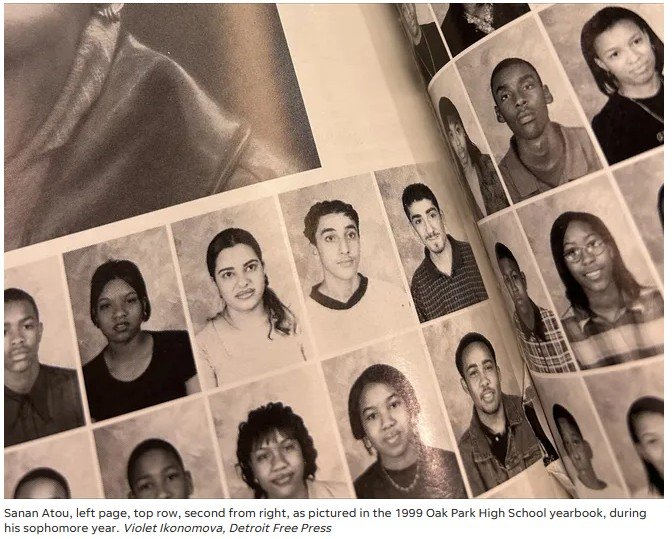
Sanan Atou never imagined he would one day be stranded in Iraq — a country he left as a child and barely remembers. But today, the former Macomb Township resident is living in hiding in Baghdad after being deported from the United States earlier this year, just before conflict erupted between the U.S. and Iran.
As reported in the Detroit Free Press, Atou, 43, came to Metro Detroit with his family in 1994 after fleeing Iraq during the Gulf War. Raised in Oak Park, he attended local schools, joined JROTC in high school, and built his life in Michigan. Friends and family describe him as deeply Americanized — someone who loved camping in northern Michigan, fishing, and spending time with loved ones.
But despite living in the U.S. for more than three decades, Atou never became a citizen. In 2006, he pleaded guilty to a federal drug-related offense involving ecstasy pills at the Canadian border. The conviction led to a deportation order in 2010, beginning a years-long immigration battle that stretched across multiple presidential administrations.
His case reflects a larger issue that has deeply affected the Chaldean community for years: the deportation of Iraqi Christians who came to the U.S. as refugees or children, yet never obtained citizenship. Many have little connection to Iraq, no support system there, and face heightened risks because they are Chaldean Christians.
Atou says he does not speak Arabic, has no Iraqi identification documents, and is not even recognized as an Iraqi citizen. According to court documents, an Iraqi federal court reportedly found no record of his birth or civil status in Iraq.
After his deportation on Feb. 22, Atou arrived in Baghdad with nowhere to go. He slept in an airport mosque before an airport worker offered him shelter in a small rooftop room in exchange for cleaning a nearby building. Since then, he has lived in fear — not only because of nearby military strikes connected to regional conflict, but also because he fears kidnapping or violence due to his perceived ties to America.
The U.S. State Department currently warns Americans not to travel to Iraq for any reason, citing terrorism, kidnapping, and armed conflict. Chaldean advocates say the risks are even greater for Christian deportees unfamiliar with the country.
Tahrir Kalasho, founder of the National Organization of Iraqi Christians, described the situation bluntly: “Sending a guy that doesn’t speak Arabic — that’s a huge extra problem.”
Atou’s story also highlights the ongoing struggles many deported Iraqis face after leaving ICE detention. During President Donald Trump’s first term, approximately 1,400 Iraqi nationals — many of them Chaldean — were detained for deportation after Iraq agreed to begin accepting involuntary returns. Some ultimately reopened their immigration cases and gained legal status. Others, like Atou, exhausted nearly every legal avenue.
His brother, Sarmad Atou of Sterling Heights, was among those able to remain in the United States. He now owns a home, has a family, and hopes to become a U.S. citizen. While grateful for his own second chance, he struggles to understand why his brother’s outcome was so different.
“We were both raised as Americans,” Sarmad said. “We went to the same schools, learned the same history. The only difference is a piece of paper.”
Adding emotional weight to the story is Atou’s longtime girlfriend, Raida Shamo, also Chaldean, who remains in Michigan while trying to support him from afar. The two speak daily by phone, often late into the night because of the time difference. Their conversations now revolve around survival and escape plans.
Atou hopes to eventually reach Erbil in Iraq’s Kurdistan Region, which is considered safer for Christians and Americans. But without citizenship documents or a passport, his future remains uncertain.
“I have to spend my life getting smuggled,” Atou said. “I’m never going to get settled.”
For many Chaldean Americans, Atou’s ordeal is a painful reminder of the community’s long history of displacement — from persecution in Iraq to the immigration struggles many families continue to face in the United States today.
To help Sanan Atou, visit https://www.gofundme.com/f/help-iraqi-christian-refugee-Flee-Iraq