
Iraq Takes Step Forward as New Prime Minister-Designate Is Appointed
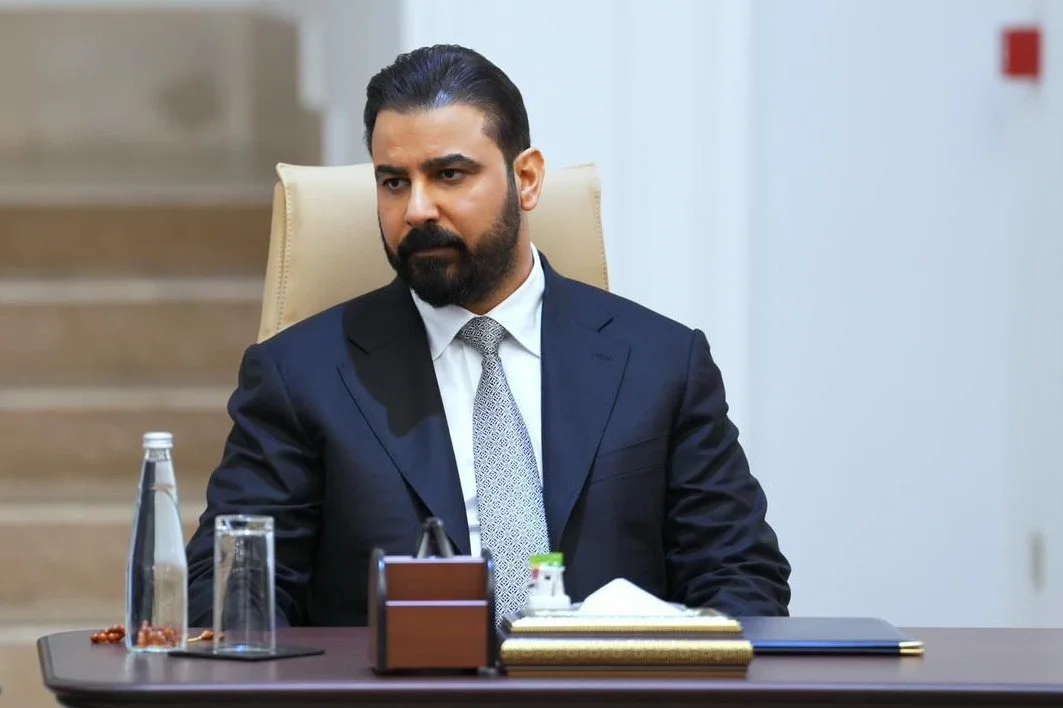
Iraqi Prime Minister-designate Ali al-Zaidi attends the meeting of the Coordination Framework political bloc in Baghdad, Iraq, Monday, April 27, 2026. (Iraqi Presidency Office via AP)
After months of political deadlock, Iraq has taken a key step forward with the appointment of a new prime minister-designate. President Nizar Amidi has tasked businessman Ali Al-Zaidi with forming the next government, following an agreement among major Shia political factions to move past the stalemate.
Al-Zaidi is considered an unconventional choice—he comes from outside Iraq’s traditional political leadership and has built his reputation in business rather than government. His selection reflects a compromise among rival groups, but it may also signal a shift in how leadership is chosen.
He now has 30 days to form a government and gain parliamentary approval, though challenges remain. Iraq’s political system still relies heavily on power-sharing among sectarian and ethnic groups, which can complicate negotiations over key positions.
For many Iraqis—including Chaldeans watching from abroad—the focus remains on whether the new government can deliver stability, improve economic conditions, and address ongoing concerns like security, displaced families, and tensions between Baghdad and the Kurdistan Region.
While this development ends one political crisis, uncertainty remains about how effectively the next government will function and whether it can meet the country’s pressing needs.