
State Budget Passes with Business Investments, Housing Measures
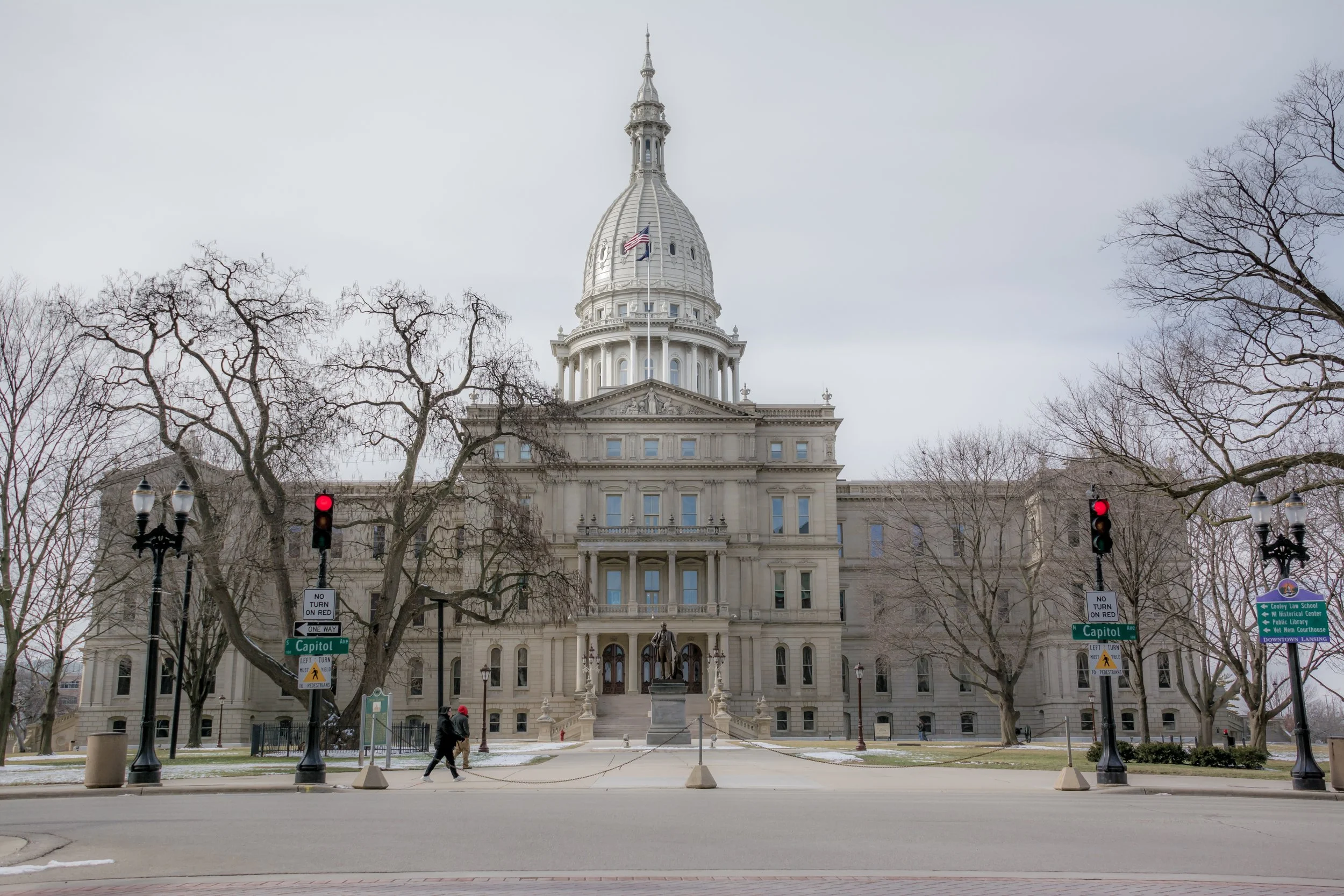
Photo by Jason Gillam / Pixabay
Michigan lawmakers approved a nearly $74 billion state budget after an overnight legislative session, avoiding new taxes while funding priorities such as K-12 education, higher education, Medicaid, and economic development. For Michigan's business community, the budget includes nearly $69 million in one-time funding to support small business growth ($30 million), business attraction and community revitalization ($28.6 million), and entrepreneurship programs ($9.7 million)—investments that could benefit many Chaldean-owned businesses, although funding levels are lower than in the current fiscal year. Lawmakers also preserved the state's $2.1 billion rainy day fund and approved supplemental spending for health care, direct care worker wages, and other priorities.
In addition to the budget, legislators passed more than 60 bills, including measures to create a new state low-income housing tax credit, limit large corporate investors from purchasing single-family homes, expand brownfield redevelopment incentives, and extend tax breaks for commercial property rehabilitation. The spending plan also reduces funding for the Going Pro workforce training program and the Pure Michigan tourism campaign while shifting a record $1.7 billion from the School Aid Fund to support colleges, universities, and scholarships—a move that continues to generate debate over K-12 education funding.