
Caring for Those Who Cared for Us
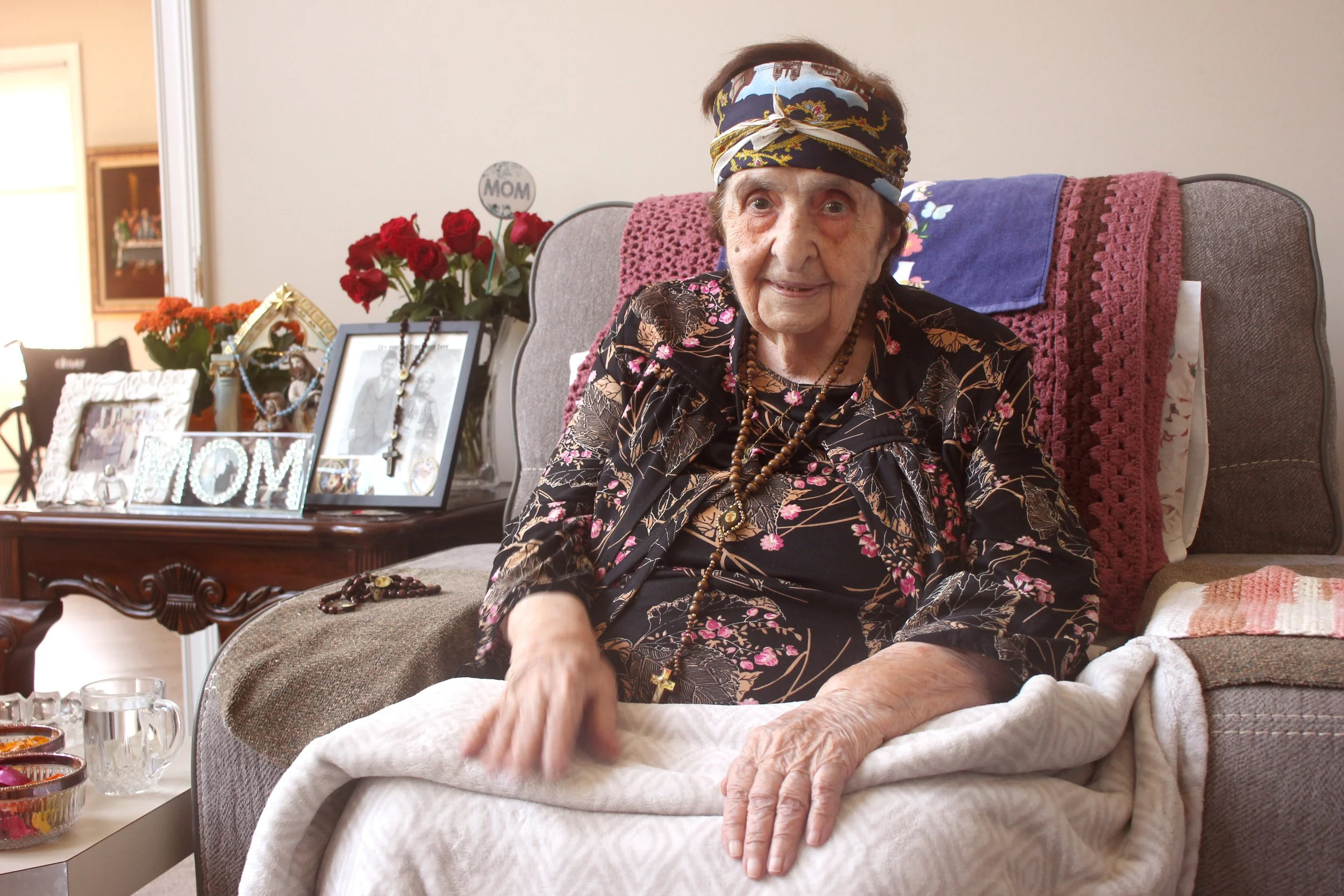
Shamama Oram was born in Iraq in 1924.
Navigating elder care in the community
By Sarah Kittle
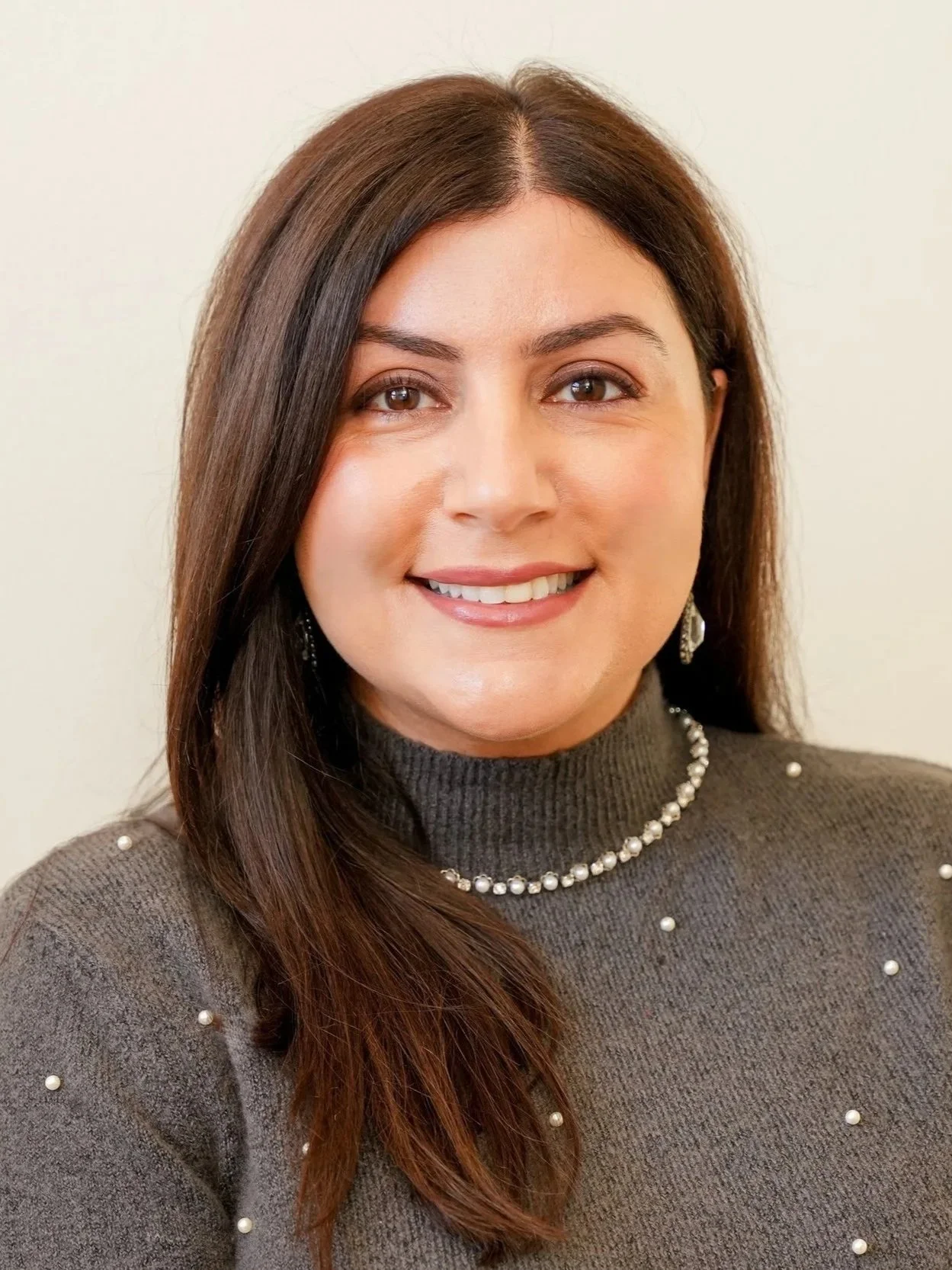
Nancy Kashat
For many Chaldean families, caring for aging parents is more than a responsibility—it is a deeply ingrained expression of love, respect, and gratitude.
Our parents and grandparents sacrificed to build better lives for their children. As they age, many families feel a strong desire to return that care. Yet today’s reality looks very different from previous generations.
Adult children are balancing careers, raising children of their own, and managing busy households while also finding themselves responsible for aging parents with increasingly complex medical needs.
“It’s about helping the family as much as the patient,” said Nancy Kashat, a senior care expert with more than 23 years of experience in home health and hospice care. “They’re the ones in crisis. They don’t know what to do with mom or dad after a hospital stay or a rehabilitation discharge.”
Kashat recently launched the page Simplifying Senior Care on Instagram to educate families about elder care options and empower them to make informed decisions before a crisis occurs.
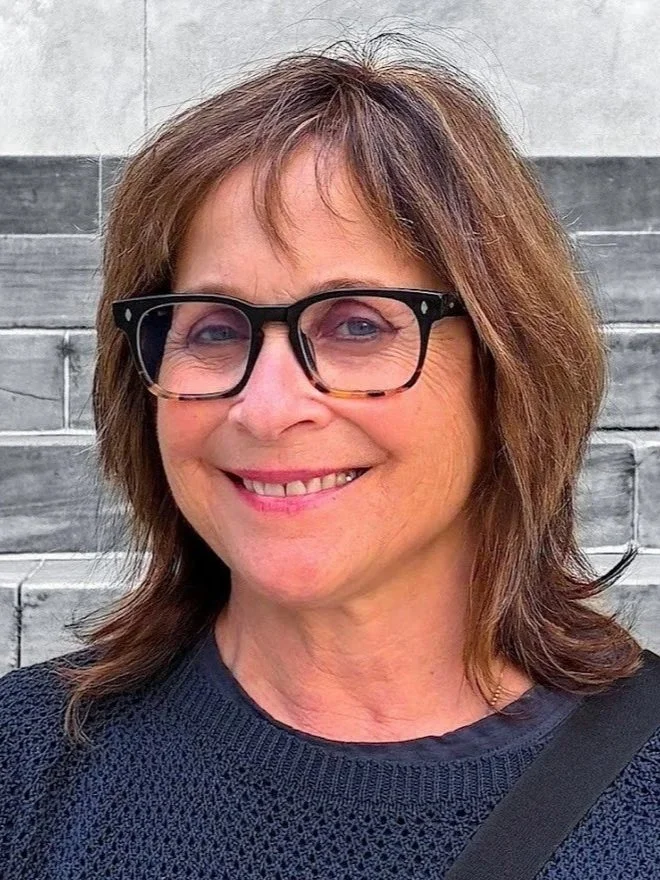
Julie Edgar
Julie Edgar from AgeWays Nonprofit Senior Services emphasized one of the biggest misconceptions families face about senior care: “ Families think they have to do it alone,” she said. “They don’t. It takes a village to care for an older loved one, so don’t be afraid to ask for help.”
Edgar explained that oftentimes many people are happy to be of service if they’re only asked—a ride to an appointment, grocery store run, or even sitting for an hour or so to give the caregiver a break.
The Overwhelming Reality
A fall. A hospital stay. A new diagnosis. For many families, it happens suddenly.
“We’re expected to still be a mom, still work our full-time jobs and do everything else—but then also take care of mom and dad,” Kashat said. “People don’t realize how much work it entails until they’re living it.”
Along with the practical challenges come powerful emotions: guilt, fear, and the difficult role reversal of becoming a parent to one’s own parents.
For many in the Chaldean community, these emotions are intensified by cultural expectations.
“Our parents took care of their parents,” Kashat explained. “Most of our mothers didn’t work outside the home, so they were able to manage that. Our generation is different.”
One of Kashat’s greatest concerns is that many families simply do not know what resources exist. Home health care, for example, can provide skilled nursing, physical therapy, and occupational therapy in the home following hospitalization.
Physical therapists focus primarily on strength, mobility, and preventing falls, while occupational therapists help patients safely perform daily activities such as bathing, dressing, and getting in and out of bed.
“The advantage of home health is that therapists are working in the patient’s natural environment,” Kashat said. “They’re seeing the throw rugs that could cause a fall or the bathroom setup that might not be safe.”
In-home services can be a valuable bridge between hospital discharge and independent living, but sometimes families need more support.
Warning signs that a loved one may need additional care include:
• Confusion
• Missed medications
• Mood changes
• Frequent falls
• Increased hospital visits
• Weight loss or decreased appetite
• Memory issues or wandering
• Withdrawal from family and social activities
• Difficulty performing daily tasks
When these signs appear, families may need to consider additional options such as in-home caregivers, rehabilitation facilities, assisted living, group homes, or long-term care.
Adult day services are another option for families struggling with elder care. “Weekday programs, often held in a senior center, where your loved one can go to meet other people, have lunch, play games, sing, etc.,” is a good option according to Edgar.
“If your loved one has cognitive issues such as dementia, an adult day program is a wonderful alternative to staying home with a caregiver,” she said. “It provides the stimulation they need—and gives caregivers a break.”
A Stigma Surrounds Assisted Living
Perhaps no issue carries more emotion in the Chaldean community than the decision to place a parent in assisted living or long-term care.
“There is a stigma around putting mom or dad in a facility,” Kashat said. “But choosing the safest environment for them isn’t saying, ‘I don’t love you.’ It’s saying, ‘I love you enough to make sure you’re getting the care you need.’”
This can be particularly true for individuals living with dementia or Alzheimer’s disease. Those with advanced memory disorders may wander, become confused, or even unintentionally create dangerous situations in the home.
“You may also call organizations such as the Alzheimer’s Association or Parkinson’s Foundation to find support groups if you are caring for a loved ones with a particular health condition,” Edgar said.
“The people who work in memory care are trained to help these patients,” Kashat said. “Sometimes that’s the safest place for them.”
Still, many families struggle with feelings of guilt, and primary caregivers often neglect their own needs. “Caregivers often don’t see themselves as caregivers,” said Edgar, “and as a result they may neglect their own care.”
Kashat believes the community would greatly benefit from culturally sensitive senior housing and long-term care options specifically designed for Chaldean elders. “I always envision a place with Chaldean staff, Chaldean food, and activities that feel like home,” she said. “I think it would take away some of the guilt families feel.”
It’s an idea that has circulated in the community for years and one that many believe would fill a growing need. The Chaldean Community Foundation has been meeting to discuss this issue and ways they can support the community’s elders and their caregivers for some time now.
Another common misconception involves long-term care and insurance.
Many families assume that Medicare automatically covers long-term nursing home care. It does not. “People are shocked to learn that Medicare and supplemental insurance generally do not pay for long-term care,” Kashat said.
“Medicare will cover certain services following a hospitalization, including physical and speech therapy, wound care, etc., for a limited period and with a doctor’s order,” explained Edgar.
Long-term care is often covered through Medicaid, which has its own eligibility requirements and planning considerations. Kashat encourages families to speak with an elder law attorney and begin discussing finances long before a crisis occurs.
“It’s so important to have these conversations early,” she said. “Talk to your parents while they can still answer your questions and tell you what they want.”
“You, a family member or caregiver can take advantage of MI Options, a cost-free, confidential, long-term care counseling program funded by the Michigan Department of Health and Human Services,” said Edgar. “An action plan helps you stay on track, along with follow-up by a trained counselor.”
AgeWays provided some other resources the general public may not know about:
MI Choice is a Medicaid-based program that provides long-term care services in the home to people 18 and older who meet financial eligibility and need a nursing-level of care.
PACE is a program funded by Medicaid and Medicare that also provides long-term care services in the home and in PACE centers throughout southeast Michigan. The program is for people 55 and older who need a nursing home-level of care.
Interfaith Volunteer Caregivers is a program that provides a range of support services to older and disabled adults so they remain safe and independent in their own homes.
Meals on Wheels is a weekday program that provides meals for people 60 and older who cannot get out of the home.
The Community Living Program is offered by AgeWays to adults 60 and older who need additional support to enable them to live at home. CLP offers a continuum of care services that can include assistance such as light housekeeping, respite care or personal care. Eligibility is based on need.
Understanding Hospice
Few services are as misunderstood as hospice.
Many people associate hospice with giving up or an imminent death sentence. Kashat sees it differently. “Hospice is such an underutilized service,” she said. “It absolutely does not mean giving up.”
Hospice provides additional support for patients who are no longer pursuing curative treatments and who want comfort-focused care. Services can include nursing visits, pain management, spiritual counseling, music therapy, massage therapy, and emotional support for the entire family.
Patients can remain on hospice for months and, in some cases, more than a year.
“It’s a beautiful program,” Kashat said. “I would rather my parents be comfortable at home, surrounded by their loved ones, than constantly going back and forth to the hospital.”
Families often tell her they wish they had called hospice sooner. “I’ve never heard anyone say they wish they had waited,” she said.
This is a message I heard firsthand from my cousin Elaine, an oncology nurse whose guidance helped my sister and me make one of the most important decisions of our lives.
On New Year’s Eve 2010, we were preparing to call hospice for my mother. We considered waiting until after the holiday, but Elaine urged us not to.
“Call now,” she said. “You won’t be sorry.”
When I accompanied the hospice nurse into my mother’s bedroom and saw her through a stranger’s eyes, I almost didn’t recognize her. Just weeks earlier, she had been diagnosed with metastatic melanoma. The cancer had spread throughout her body.
Her 78-year-old face was etched with lines that seemed to have appeared overnight, and her features were nearly unrecognizable.
“That’s not my mom,” I told the hospice nurse.
After administering a small dose of pain medication, the nurse watched as those lines began to soften. The relief must have been enormous. My mother reached for the nurse’s hand and kissed it.
“There she is,” I said aloud.
In that moment, I understood the gift hospice can provide—not just for patients, but for the families who love them. I was so grateful for my cousin’s expert advice as we navigated Mother’s homecoming journey.
Over the next several days, hospice staff patiently answered our questions and helped us understand some of the experiences my mother was having, including visions that seemed both mysterious and comforting.
When Mother asked, “Do you see that beautiful baby? I wonder if that’s the baby Jesus?” the hospice worker asked whether she had ever experienced a miscarriage. She had—after baby number nine and while baby number seven, no longer a baby, was in the hospital with a broken arm.
“That’s her baby she’s seeing,” the nurse told us.
It still gives me chills.
Becoming More Open to Conversation
As attitudes toward elder care evolve, younger generations are becoming more open to seeking help and using available resources. However, many aging parents remain reluctant to accept assistance.
Kashat recalls working with one family whose elderly parents repeatedly refused outside help despite serious health concerns. “Those are the conversations we need to have sooner rather than later,” she said.
The Chaldean community has already begun responding to this growing need. Organizations such as the Chaldean Community Foundation and the Eastern Catholic Re-Evangelization Center (ECRC) have introduced programs and support groups aimed at helping caregivers navigate the challenges of aging loved ones.
For Kashat, education remains the ultimate goal. “If I can help one family make an informed decision, I’ll be a very happy person,” she said. “Our community needs this information.”
For families caring for aging loved ones, being informed may be one of the most meaningful ways to honor those who once cared for us.
Families seeking resources or guidance can follow Kashat’s educational content on Instagram at Simplifying Senior Care, where she shares information on home health, hospice, caregiving, and planning for the future.
AgeWays Nonprofit Senior Services’ Information and Assistance Resource Center houses a vast database of services, resources and programs for seniors, caregivers, and adults with disabilities in six counties: Livingston, Macomb, Monroe, Oakland, St. Clair and Washtenaw. You can reach the AgeWays Resource Center by calling 800-852-7795.