
Mental Health Matters
Understanding the challenges, breaking the stigma
By Jenna Abroo
We all know that prioritizing mental health is important. Paying attention to our emotional well-being is a critical part of caring for our overall health. Fortunately, conversations about mental health have become more common and less stigmatized in recent years.
That shift is also taking place within the Chaldean community. More young adults are helping break down barriers by engaging in honest conversations about anxiety, depression, trauma, and other mental health challenges. By making these discussions part of our everyday lives, we create opportunities to better support one another.
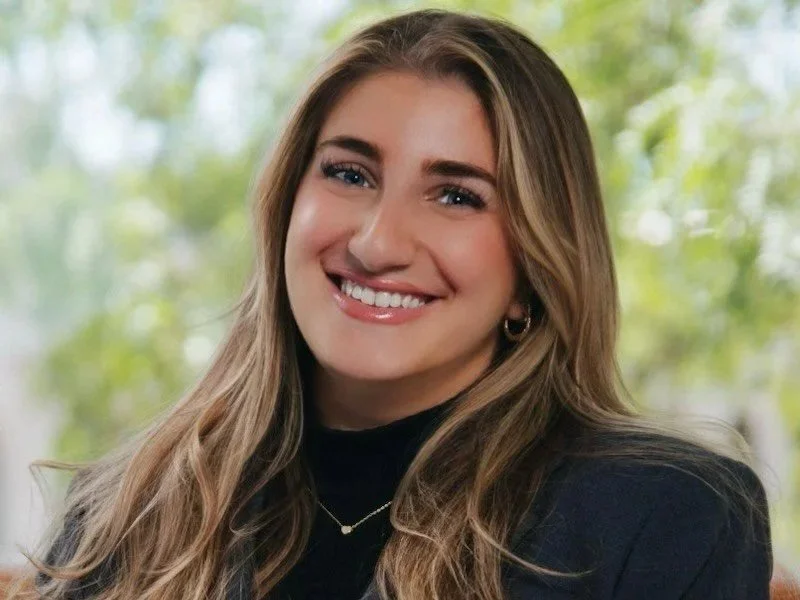
Chaldean-Lebanese American Nicole Massoud, 25, of Sterling Heights understands the importance of those conversations. A Licensed Master Social Worker, Massoud recently completed her graduate studies and has spent the past three years working in the mental health field. A graduate of both Oakland University and the University of Michigan, she works primarily with adolescents and adults experiencing anxiety disorders, mood disorders, ADHD, trauma, life transitions, relationship concerns, and other mental health challenges.
Massoud also teaches Pilates and believes physical and mental health are closely connected.” Physical and mental health go hand in hand,” she said.
Her interest in the profession began at a young age. “I’ve always been fascinated by human behavior and people’s stories,” Massoud explained. “As I learned more about psychology and mental health, I realized therapy offered an opportunity to help people better understand themselves and take actionable steps toward healing.”
She recalls first considering the profession when she was about 12 years old after a middle school counselor encouraged her to consider the field. That interest continued through high school psychology courses and eventually led her to pursue a degree in psychology before earning a Master of Social Work.
Today, Massoud works with individuals facing a wide range of challenges, from anxiety and depression to trauma, relationship concerns, and major life transitions.
What continues to inspire her, she says, is witnessing people’s resilience.
“Many people come to therapy feeling stuck, overwhelmed, or disconnected from themselves,” she said. “It’s inspiring to see them discover strengths they didn’t realize they had and begin moving toward healing and growth.”
Living Lives that Align
Mental health professionals often emphasize the importance of setting realistic goals and building practical coping skills. For Massoud, helping people improve their quality of life remains a central focus of her work.
“I want people to live lives that align with their values and goals,” she said. “That starts with creating an environment where they feel comfortable sharing their experiences without fear of judgment.”
That sense of judgment has long been one of the biggest barriers to mental health care.
Historically, conversations about mental health were often avoided in many cultures, including within the Chaldean community. Many older generations grew up at a time when emotional struggles were considered private matters, and professional mental health services were less accessible or less understood.
While some stigma still exists, attitudes have changed significantly over the past two decades. More families are recognizing that mental health deserves the same attention as physical health.
“I wish more people understood that mental health is simply part of overall health,” Massoud said. “Seeking support isn’t a sign of weakness. It takes courage and vulnerability to ask for help.”
She believes education remains one of the most effective ways to continue reducing stigma. “The more we talk about mental health in our families, schools, workplaces, and churches, the more we normalize seeking support,” she said. “By sharing experiences and encouraging one another, we can create a culture where mental health care is viewed as a normal part of healthcare.”
For those concerned about a loved one, Massoud encourages approaching the conversation with empathy rather than criticism.
“Sometimes the most powerful thing you can do is simply listen and let someone know they’re not alone,” she said. “You don’t need to have all the answers.”
She offers the same message to anyone struggling themselves. “Whether that means speaking with a trusted friend, family member, faith leader, therapist, or healthcare provider, support is available,” she said. “You do not have to navigate difficult times alone.”
Massoud also believes cultural identity, faith, and mental health support can complement one another. “Mental health, cultural values, and religious beliefs can absolutely coexist,” she said. “Faith, community, and professional support can work together to promote healing and help people thrive.”
If there is one message to take away from these conversations, it is that mental health matters. Asking for help when needed—and offering support when others are struggling—can strengthen not only individuals, but the community as a whole.
Sidebar: Mental health challenges can affect anyone, regardless of age, background, or life experience. If you are struggling, consider reaching out to a licensed counselor, healthcare provider, trusted clergy member, or community support organization. Many local agencies and healthcare systems offer counseling services, support groups, and referrals.
For immediate emotional support or crisis assistance, call or text 988 to connect with the Suicide & Crisis Lifeline, available 24 hours a day, seven days a week.
Remember: asking for help is a sign of strength, and no one has to face life’s challenges alone.
Nicole may be contacted by email at nicolemassoudmsw@gmail.com or by phone at (248) 274-6532.